In a significant development amidst ongoing geopolitical tensions in the Gulf region, Oman has announced the postponement of the Hormuz talks involving Iran and neighboring Gulf states. The decision to delay the talks was communicated by Omani officials, who cited that the postponement was “in the interests of consensus.”
The Hormuz talks were initially scheduled as a platform for dialogue aimed at addressing security and stability issues in the strategically critical Strait of Hormuz—a vital maritime route through which a significant portion of the world’s oil supply passes. The discussions were expected to bring together Iran and Gulf Cooperation Council (GCC) member states in an effort to ease tensions and foster cooperation in the region.
Oman, known for its role as a neutral mediator in regional affairs, emphasized that the objective remains to ensure a unified approach among all parties involved. The decision to postpone comes amid the complex political landscape marked by heightened mistrust and conflicting interests among the Gulf states and Iran.
This delay reflects the challenges in orchestrating a consensus amid differing strategic priorities and security concerns. Analysts suggest that while Oman seeks to maintain open channels of communication, the parties need more time to prepare for constructive engagement to ensure meaningful dialogue.
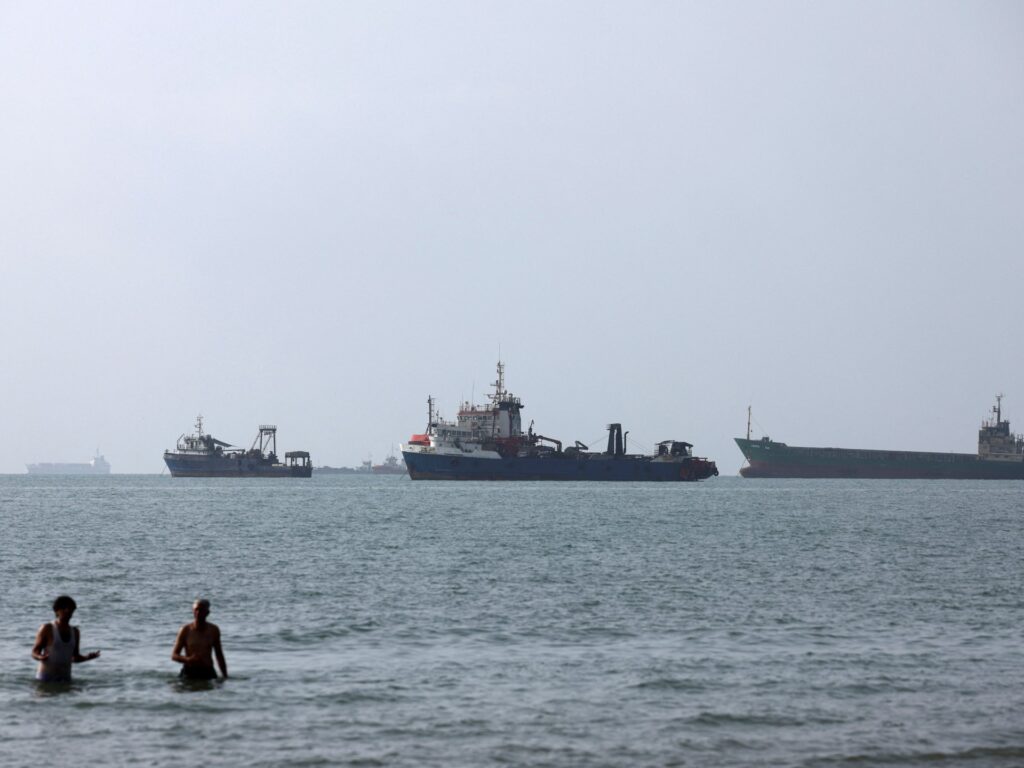
The Strait of Hormuz is a narrow waterway crucial to global energy markets, connecting the Persian Gulf with the Gulf of Oman and the Arabian Sea. Any conflict or disruption in this corridor could have serious implications for international oil shipments and global economic stability.
Oman’s intervention in postponing the talks underscores the complexities of regional diplomacy and the delicate balance required to manage the interests of diverse states with competing agendas.
Observers view the postponement as a cautious step to avoid premature negotiations without broad agreement, aiming to prevent further escalation of tensions. It is hoped that with additional dialogue and preparation, the talks can resume under conditions more conducive to achieving long-term peace and security in the Gulf region.
The international community continues to monitor the situation closely, encouraging all parties to pursue diplomatic engagement to safeguard the freedom of navigation and regional stability. Oman remains committed to playing a constructive role in facilitating dialogue between Iran and its Gulf neighbors in the future.
This development serves as a reminder of the ongoing volatility in the Gulf and the importance of sustained efforts to promote dialogue and cooperation amidst complex geopolitical challenges.