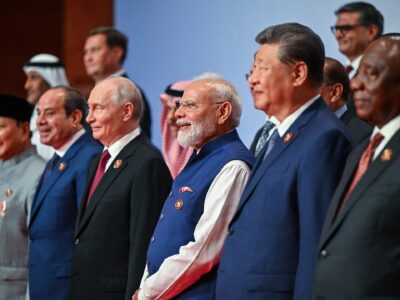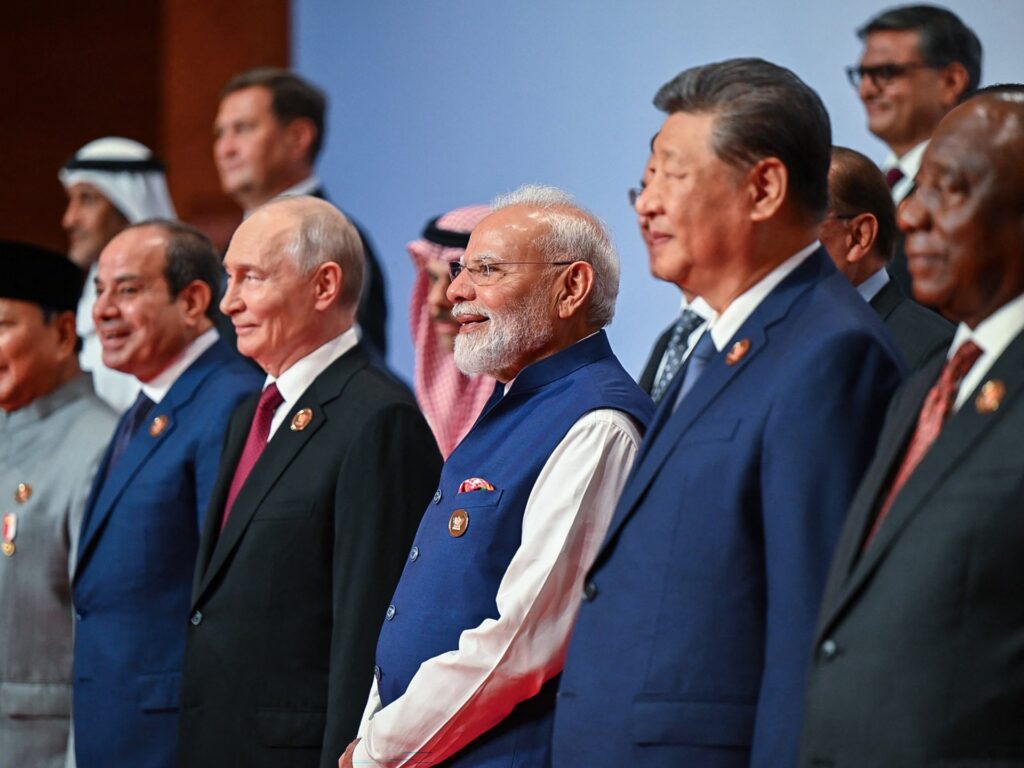
The BRICS Summit 2026, marking a significant gathering of the 11-nation bloc, underscored both the growing influence of emerging economies and the complex geopolitical divisions within the group. The summit saw key discussions on economic cooperation, technological innovation, and global governance reforms, yet it notably refrained from condemning the US-Israel war on Iran, highlighting the fractures among its members on critical international issues.
The expanded BRICS bloc, now including nations beyond the original five members – Brazil, Russia, India, China, and South Africa – has presented itself as an alternative economic and diplomatic force challenging Western dominance. The summit focused on enhancing intra-BRICS trade, strengthening supply chains, and collaborating on development projects in emerging markets.
However, the reluctance to take a unified stance against the US-Israel conflict with Iran revealed underlying ideological and strategic differences. Some members preferred to maintain neutrality to preserve diplomatic ties with various global powers, while others viewed the conflict through the lens of regional security and international law.
Key takeaways from the summit include:
1. **Enhanced Economic Cooperation:** Increased commitment to boost trade among BRICS countries, aiming for reduced dependency on Western financial systems and currencies.
2. **Technological Collaboration:** Initiatives launched to foster innovation in AI, green energy, and digital infrastructure across member states.
3. **Geopolitical Nuances:** The bloc’s inability to condemn the US-Israel war on Iran highlights divergent political priorities and external alliances.
4. **Global Governance Reform:** Continued advocacy for more representative global institutions, including reforms in the United Nations and IMF.
5. **Energy and Sustainability Focus:** Agreements to collaborate on sustainable energy projects and climate change mitigation.
This summit demonstrated that while BRICS is united in economic ambitions, its members remain divided on complex geopolitical conflicts. The deliberate abstention from condemning the US-Israel war signals the delicate balancing act among members pursuing both cooperation and national interests.
Looking ahead, the BRICS bloc is poised to enhance its global economic footprint while navigating the challenges posed by differing political agendas. The 2026 summit serves as a reminder that unity in economic collaboration does not always translate to consensus on global conflict issues, a factor that will shape BRICS’ future trajectory on the world stage.