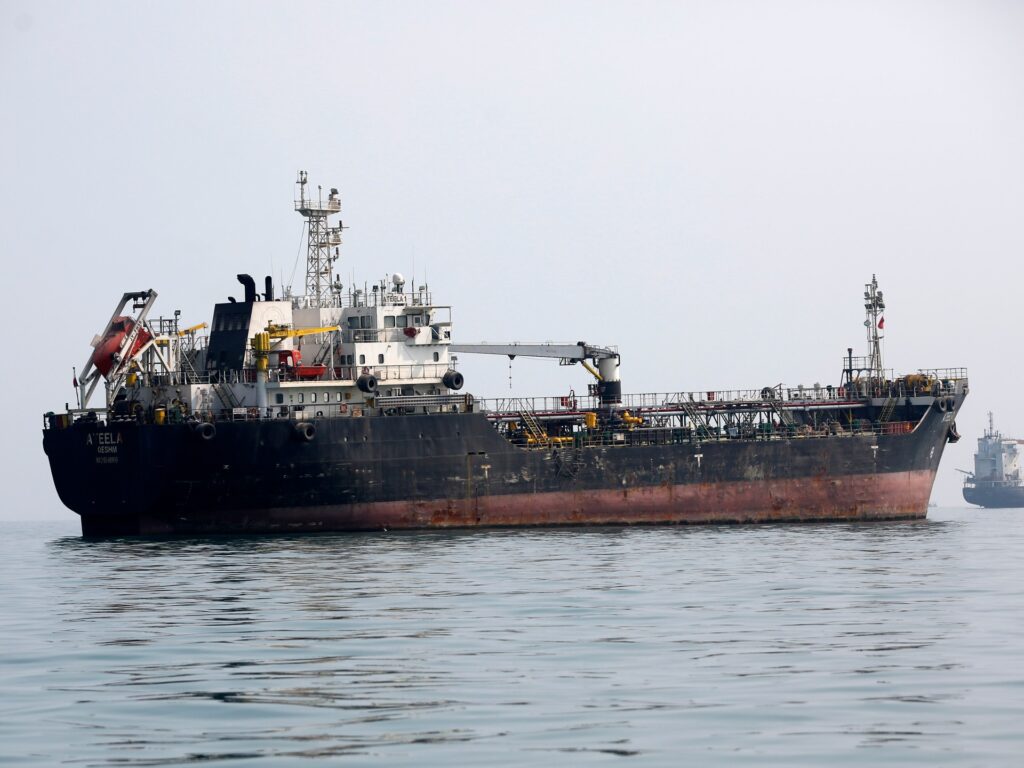
In a dramatic escalation of tensions in the Gulf region, a commercial ship was attacked in the strategically crucial Strait of Hormuz, resulting in one death and three injuries among the crew members. The attack marks the latest in a series of incidents involving maritime security and control over key waterways in the region.
The Strait of Hormuz, a narrow passage linking the Persian Gulf with the Gulf of Oman and the Arabian Sea, is a vital corridor through which a significant portion of the world’s oil shipments pass. Its importance to global energy supply has made it a focal point for regional and international strategic interests.
The targeted vessel, a cargo ship engaged in international trade, suffered extensive damage in the assault. Emergency response teams were promptly dispatched, providing medical aid to the wounded and securing the area to prevent further incidents. Authorities are investigating the circumstances and perpetrators of the attack.
This attack coincides with imminent meetings between Iranian leaders and Gulf officials aimed at discussing measures for controlling maritime activities and ensuring security within the critical waterway. These talks are expected to address long-standing disputes and recent provocations that have heightened risks of conflict.
Iran has been accused by some regional actors and international observers of asserting its influence aggressively over the Strait, including through military maneuvers and restrictions on navigation. The attack could further complicate diplomatic efforts and increase friction among Gulf states, as well as external powers with stakes in regional stability.
The international community has expressed concern over escalating hostilities and called for restraint and dialogue. Shipping companies and maritime organizations are closely monitoring the situation, as disruptions in the Strait could have significant economic repercussions, especially concerning oil prices and supply chain stability.
Security analysts warn that continued attacks on commercial vessels jeopardize not only regional peace but also global economic interests. They advocate for enhanced cooperation among Gulf nations, backed by international support, to safeguard maritime security and avoid potential conflicts.
The incident also raises humanitarian concerns, highlighting the risks faced by civilians working in volatile environments. Efforts to protect merchant crews and maintain safe passage through the Strait of Hormuz are becoming more urgent amid growing hostilities.
As the situation develops, the world watches closely how Iran’s engagements with Gulf officials unfold. The outcome of these talks could set the tone for future relations and stability in a region critical to global energy and trade.
The recent attack underscores the fragility of peace in the Gulf and the high stakes involved in controlling one of the world’s most important maritime corridors. Stakeholders hope that dialogue and diplomacy will prevail to prevent further violence and preserve the free flow of commerce essential for the global economy.