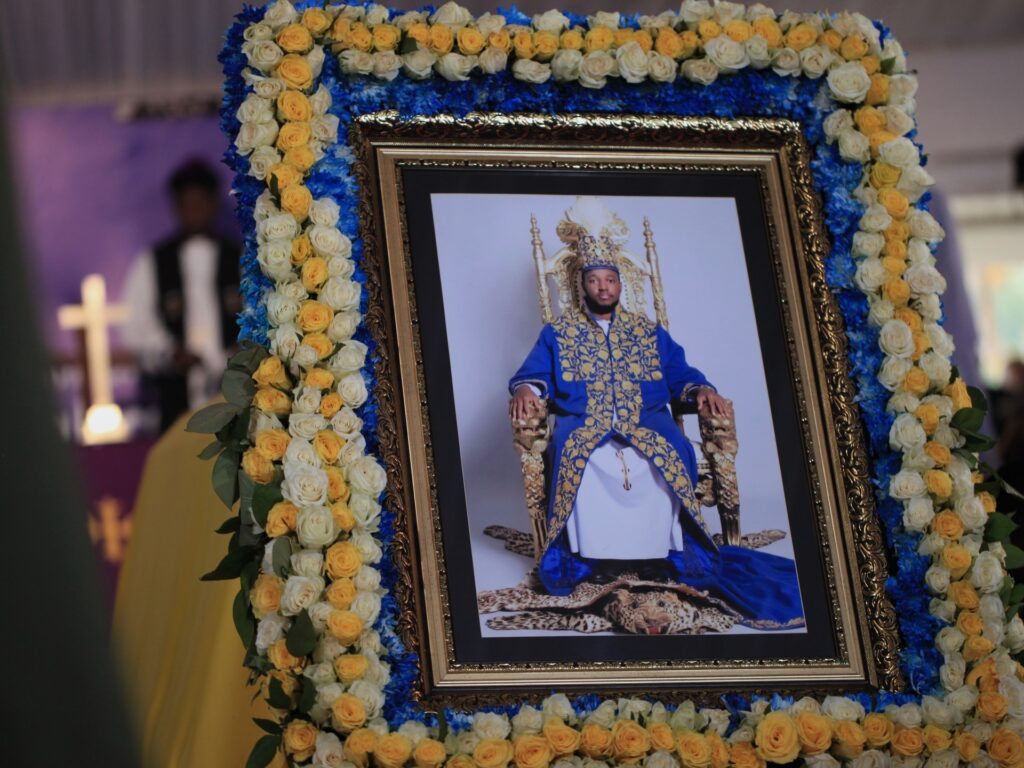
The recent burial of Uganda’s 34-year-old monarch has ignited a significant controversy and succession dispute within the Tooro Kingdom. The sudden demise of the king, whose youthful age and unexpected death shocked many, has opened a rare and complex challenge to the traditional process of selecting the next ruler.
The Tooro Kingdom, located in western Uganda, is one of the country’s ancient monarchies with a rich cultural heritage. The traditional process for choosing the king, or Omukama, typically involves a well-established protocol grounded in customs and lineage. However, the emergence of a previously unknown son of the late monarch has complicated this process, sparking debates over legitimacy and rightful inheritance.
This mystery son, whose existence was revealed only after the monarch’s death, has positioned himself as a strong contender for the throne, disputing the claims of other established heirs. This revelation has split opinion among the kingdom’s royal family and subjects, with some questioning the veracity of his claim due to the lack of recognition during the late king’s lifetime.
The situation has stirred tension among political leaders and cultural custodians who are keen to maintain peace and respect traditions. Many fear that the dispute could lead to instability within the kingdom and undermine the cultural fabric that holds the community together.
Historically, succession in the Tooro Kingdom has been marked by periods of relative stability, but challenges have occurred, especially when the royal lineage becomes unclear or contested. The current dispute is seen as one of the most complex due to the unexpected nature of the late king’s death and the sudden appearance of an unacknowledged heir.
Efforts are underway by the Tooro cultural council and the Ugandan government to mediate the dispute. Key stakeholders urge for a transparent and fair process that honors the late king’s legacy while preserving the kingdom’s unity. Traditional rites and consultations with elders form part of the ongoing attempts to resolve the issue.
The death of the young monarch has also brought international attention to the importance of preserving cultural institutions in Uganda. Monarchies in the region, though largely ceremonial today, continue to serve as symbols of identity and continuity for many communities.
As the Tooro Kingdom navigates this unprecedented challenge, the coming months will be critical in determining the future leadership and stability of the region. The case underscores the delicate balance between tradition and modernity in managing succession in African monarchies.
Supporters of the mystery son argue that he embodies the continuation of the royal bloodline and represents a fresh start for the kingdom. Meanwhile, opponents stress the importance of adhering to customary laws and previously agreed succession rules to prevent setting a risky precedent.
The king’s burial marked a solemn occasion but also highlighted the unresolved tensions within the kingdom. Ceremonies were attended by a mix of mourners and political figures, reflecting both respect for the late monarch and the palpable uncertainty about the path forward.
Analysts suggest that the resolution of this dispute could influence other kingdoms in Uganda and Africa, where succession issues increasingly intersect with modern governance and legal frameworks.
In conclusion, the death of Uganda’s young king has unveiled a complex web of family claims, tradition, and power that challenges the very foundations of the Tooro Kingdom’s future. How the kingdom manages this delicate succession dispute will not only shape its own destiny but also offer lessons on the evolving role of traditional monarchies in contemporary Africa.