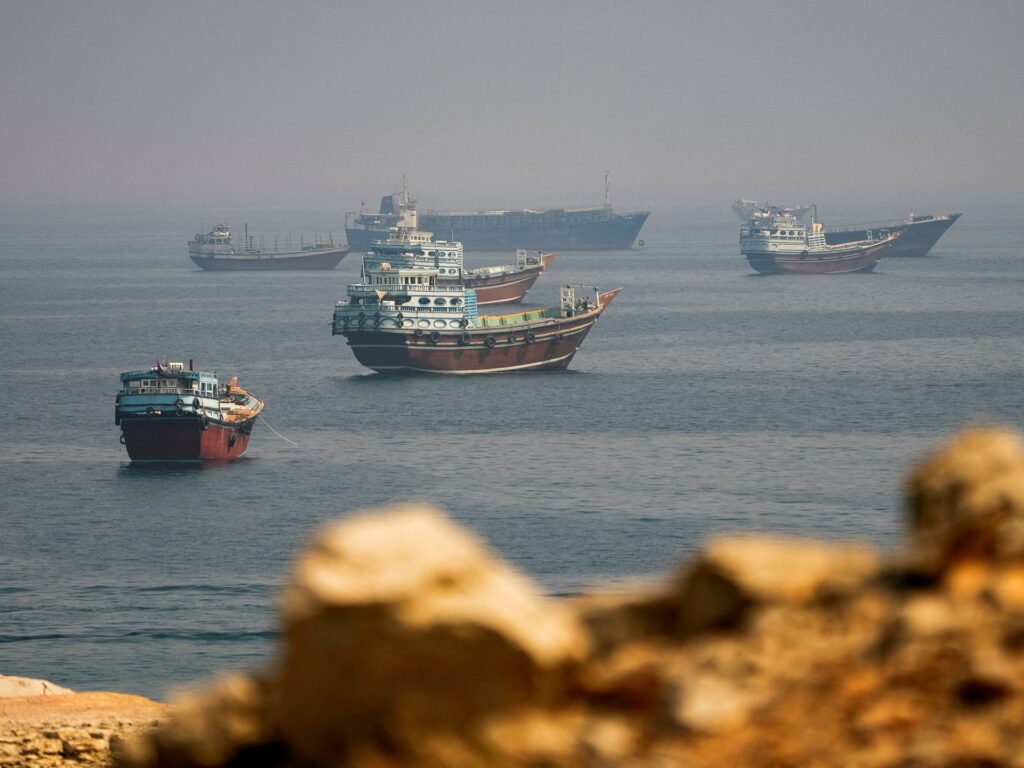
A commercial ship was attacked in the strategically critical Strait of Hormuz, resulting in one fatality and three injuries, escalating regional tensions. The incident occurred amid preparations for talks between Iranian leaders and Gulf officials aimed at discussing control and security over this vital maritime passage.
The Strait of Hormuz is a crucial chokepoint through which a significant portion of the world’s oil supply is transported. This latest attack on a cargo vessel underscores the ongoing volatility and the geopolitical sensitivity of the region.
According to reports, the attack targeted a commercial shipping vessel navigating the waters near the southern coast of Iran. Immediate rescue efforts were launched, with the injured transported to nearby medical facilities. The identity of the attackers remains unclear, with conflicting claims emerging from various local sources.
Iranian authorities have condemned the strike, labeling it an act of aggression designed to destabilize the regional maritime environment. Officials emphasized their commitment to securing the waterway and ensuring the safe passage of international shipping.
This incident comes at a delicate time as Iranian leaders are scheduled to engage in high-level meetings with Gulf Cooperation Council (GCC) officials. The agenda focuses on enhancing cooperation over maritime security, ensuring safe navigation, and preventing future incidents in the Strait of Hormuz.
Analysts warn that such attacks not only threaten commercial interests but also raise the risk of broader military confrontations in an already unstable region. The economic implications are significant since disruptions in oil shipments through Hormuz can affect global energy markets and raise fuel prices worldwide.
The international community has expressed concern over the escalating violence in the Strait. Calls for restraint and dialogue have intensified, urging all parties to work towards peaceful solutions.
Shipping companies operating in the area are advised to exercise heightened vigilance and review their security protocols in response to this attack.
The attack on the commercial ship marks one of the most severe aggressions in recent months within the Strait of Hormuz, highlighting the ongoing challenges in securing one of the world’s most important maritime routes.
As the diplomatic meetings approach, stakeholders remain hopeful that constructive discussions will lead to improved oversight and cooperation, reducing the risk of such violent incidents in the future.
In the meantime, regional authorities continue to monitor the situation closely to prevent any escalation and to protect civilian maritime activities within these critical waters.