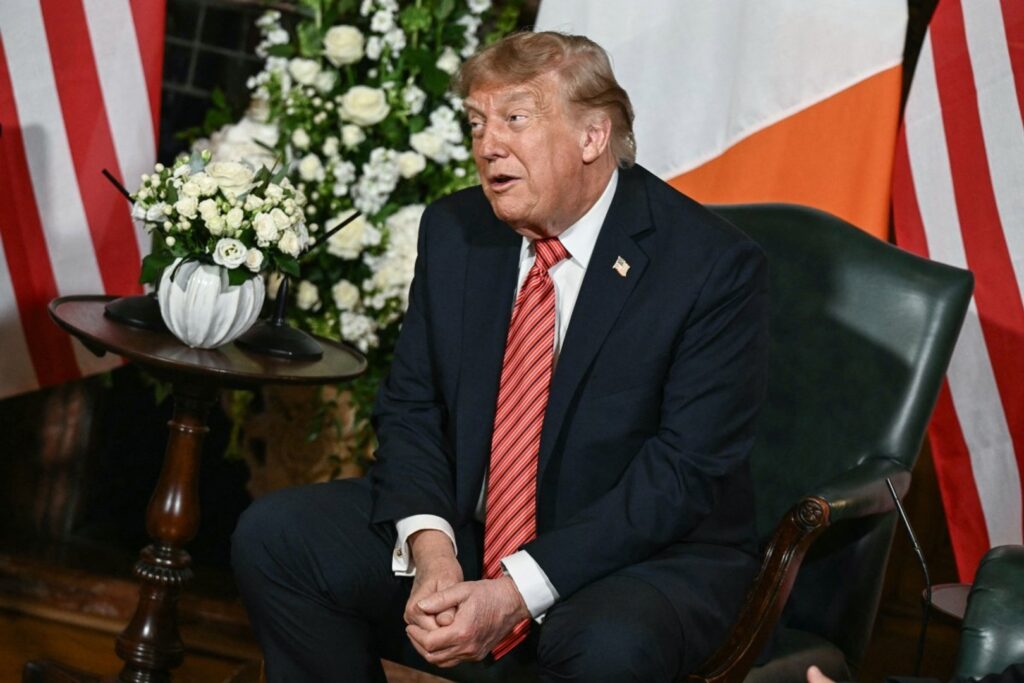
During his recent visit to Ireland, US President Donald Trump made headlines by expressing his support for the idea of a united Ireland. Trump stated that he would “love to see” Ireland reunited, a comment that sparked considerable attention both in Ireland and internationally.
This statement came as part of a series of remarks made during his trip, where he engaged with local leaders and the public on various political and economic topics. The issue of Irish reunification is a deeply sensitive and complex one, rooted in a long history of division and conflict between Northern Ireland and the Republic of Ireland.
Historically, Northern Ireland has remained part of the United Kingdom, while the Republic of Ireland is an independent nation. The prospect of reunification has been a contentious topic, especially following the Good Friday Agreement in 1998, which helped bring peace to the region but left constitutional status unresolved.
Trump’s endorsement of a united Ireland reflects his personal viewpoint rather than official US policy, which traditionally supports the Good Friday Agreement and emphasizes the importance of any decision being made peacefully and with the consent of the people of Northern Ireland.
Political leaders in both Northern Ireland and the Republic have varied in their reactions to Trump’s comments. Some Irish nationalists welcomed his remarks as a hopeful sign for the future, while unionist leaders expressed concern, emphasizing their desire to remain part of the United Kingdom.
The timing of Trump’s statement is significant given ongoing discussions about the impact of Brexit on Northern Ireland. The UK’s departure from the European Union has raised numerous questions about the border between Northern Ireland and the Republic of Ireland, with economic and political implications.
Ireland’s reunification is a multifaceted issue involving identity, economics, and international relations. Advocates argue that reunification could bring social and economic benefits, including a simplified border and a stronger Irish voice on the global stage. Opponents fear it could reignite tensions and disrupt the current peace framework.
Trump’s visit renews international focus on the subject, highlighting the global relevance of Ireland’s political future. Observers note that any move toward reunification would require intricate negotiations involving multiple stakeholders, including governments, political parties, and communities on the island.
While Trump’s personal support adds a high-profile voice to the discussion, the road to a united Ireland remains complex and uncertain. Any potential changes would need to prioritize peace, democratic processes, and the will of all people involved.
In summary, President Trump’s remark expressing his desire to see a united Ireland during his Irish visit has intensified dialogue surrounding this sensitive topic. The statement underscores the ongoing debate about the future of Ireland and the delicate balance needed to maintain peace while addressing longstanding aspirations and concerns.