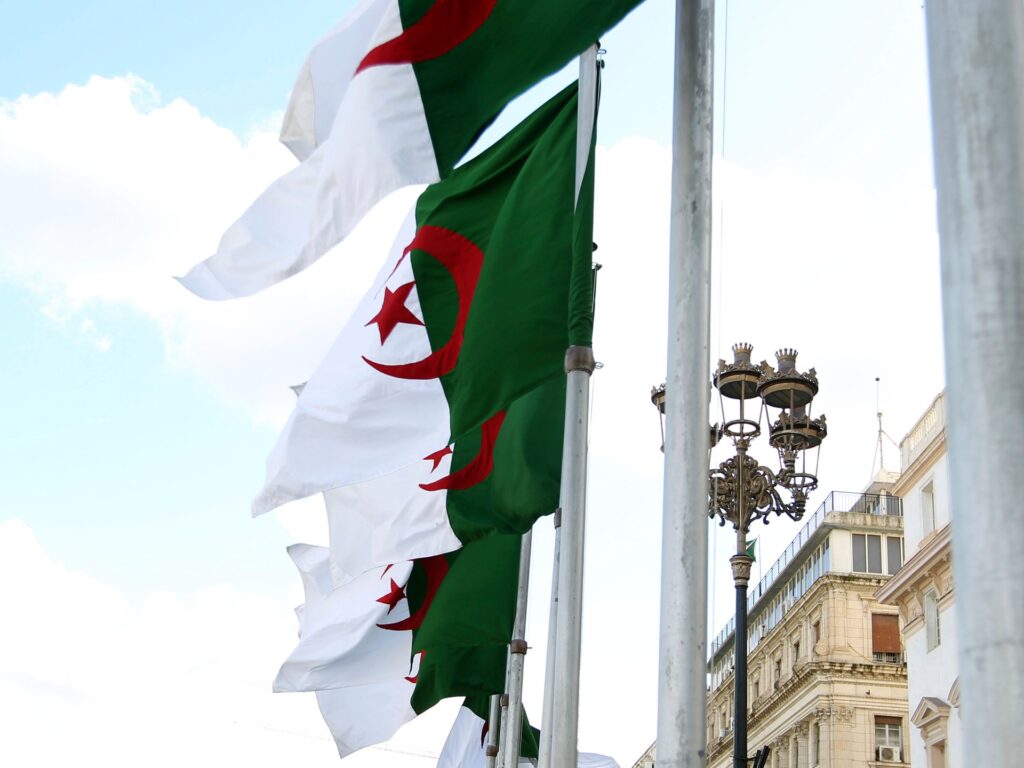
In a dramatic diplomatic move, Algeria has officially severed its diplomatic relations with the United Arab Emirates (UAE). This decision marks a significant escalation in the tensions that have been gradually building between the two nations over the past several years. The Algerian government cited “provocative and hostile actions” as the primary reasons behind this drastic step.
The announcement was made following an intense period of diplomatic strain, where several disputes and disagreements had already put a strain on bilateral ties. The tensions encompass a range of political and regional issues where both countries have found themselves on opposing sides.
Algeria’s Foreign Ministry issued an official statement condemning what it described as the UAE’s continuous interference in its domestic affairs and destabilizing activities within the region. The statement underscored that these actions are deemed unacceptable and contrary to principles of sovereignty and mutual respect.
Relations between the two Gulf nations had been strained notably since geopolitical shifts reshaped alliances in the Middle East and North Africa region. The UAE has been involved actively in regional matters, a posture that Algeria perceives as aggressive and unwarranted.
The decision to cut ties encompasses the closure of embassies, suspension of diplomatic missions, and the halting of all governmental and non-governmental state-related engagements. This includes economic, cultural, and political cooperation and communication channels.
This move comes amidst broader regional power dynamics where various Gulf states, including the UAE, have sought to extend their influence. Algeria, maintaining a foreign policy that emphasizes non-intervention and African solidarity, views some of these interventions as provocative.
Experts suggest that this breakdown in ties could disrupt economic collaborations, particularly given the growing trade and investment exchanges that had been developing. The UAE is an important economic player in the Gulf region, and Algeria has strategic interests that align or contrast with the ambitions of Gulf countries.
The decision also sends a stern message to other nations regarding Algeria’s stance on sovereignty and its intolerance for interference. Several analysts point out that Algeria is strengthening its position regionally by taking a firm stance against perceived aggression.
The diplomatic fallout is expected to have broader implications for regional partnerships and alignments in the Middle East and North Africa. Other countries are likely to observe Algeria’s actions closely as they balance their relationships with both Algeria and the UAE.
In conclusion, Algeria’s choice to cut diplomatic ties marks a turning point in Gulf-Maghreb relations. The coming months will reveal the full impact of this split on regional politics, economics, and security dynamics. The international community continues to monitor the developments as these two nations navigate this critical juncture in their international relations.