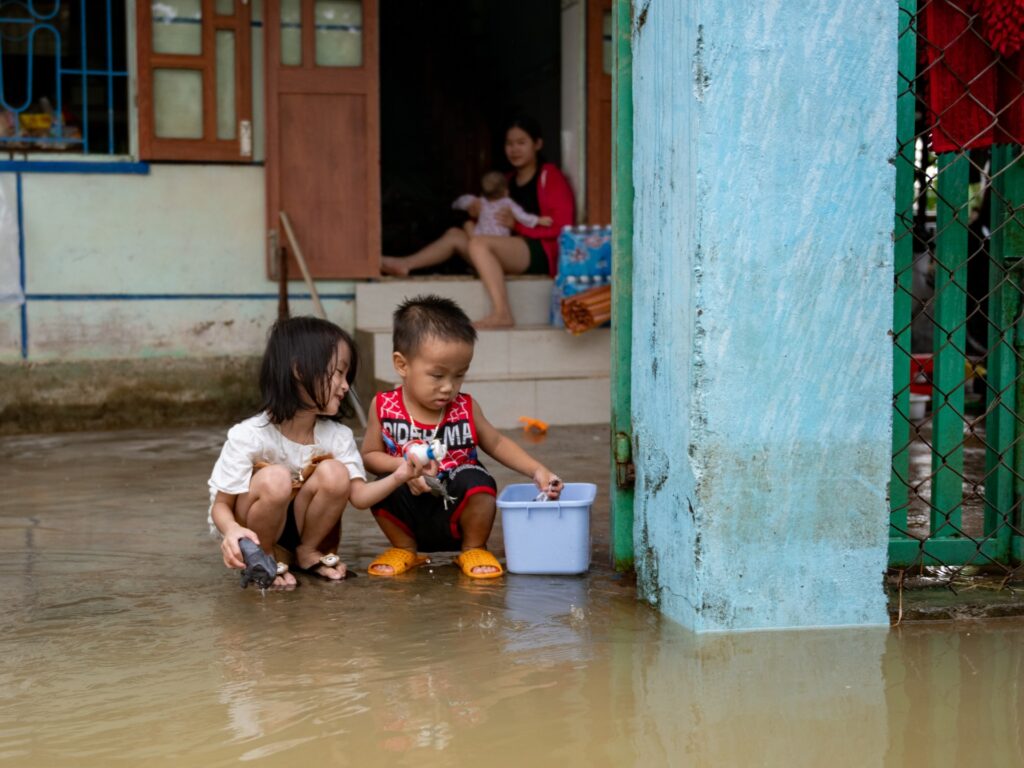
In a sobering revelation, UNICEF has reported that climate hazards disrupted schooling for one in ten students worldwide in 2025. This staggering figure translates to over 171 million students whose education was impacted by climate-induced events such as floods, storms, droughts, and wildfires.
The global scale of these disruptions highlights the growing and urgent challenge that climate change poses to the education sector. Schools in vulnerable regions have faced closures, damaged infrastructure, and displacement of communities, making consistent attendance difficult or impossible for many children.
Among those affected, girls have been disproportionately impacted. Socio-cultural factors often place them at higher risk during times of crisis, with increased rates of school dropouts and delays in returning to school compared to their male peers. Gender disparities in access to education can worsen during and after climate events, threatening progress on gender equality in education.
Regions most affected include parts of Asia, Africa, and Latin America, where extreme weather events are more frequent and severe. In these areas, climate hazards exacerbate existing inequalities and hamper efforts to achieve universal education goals.
UNICEF emphasizes that protecting children’s right to education amid climate change requires urgent action. This includes climate-resilient school infrastructure, emergency preparedness plans, and inclusive policies that prioritize the safety and continued learning of all children, especially girls.
The organization also calls for increased investment in sustainable development and climate adaptation strategies to mitigate future disruptions. Education systems must be strengthened to be more adaptable and responsive to climate risks, ensuring that every child can continue learning even in the face of environmental crises.
This report serves as a critical reminder that tackling climate change and ensuring education for all are deeply interconnected challenges. Addressing both simultaneously is essential for building resilient communities and fostering sustainable development for future generations.