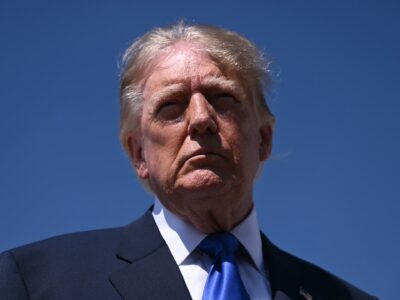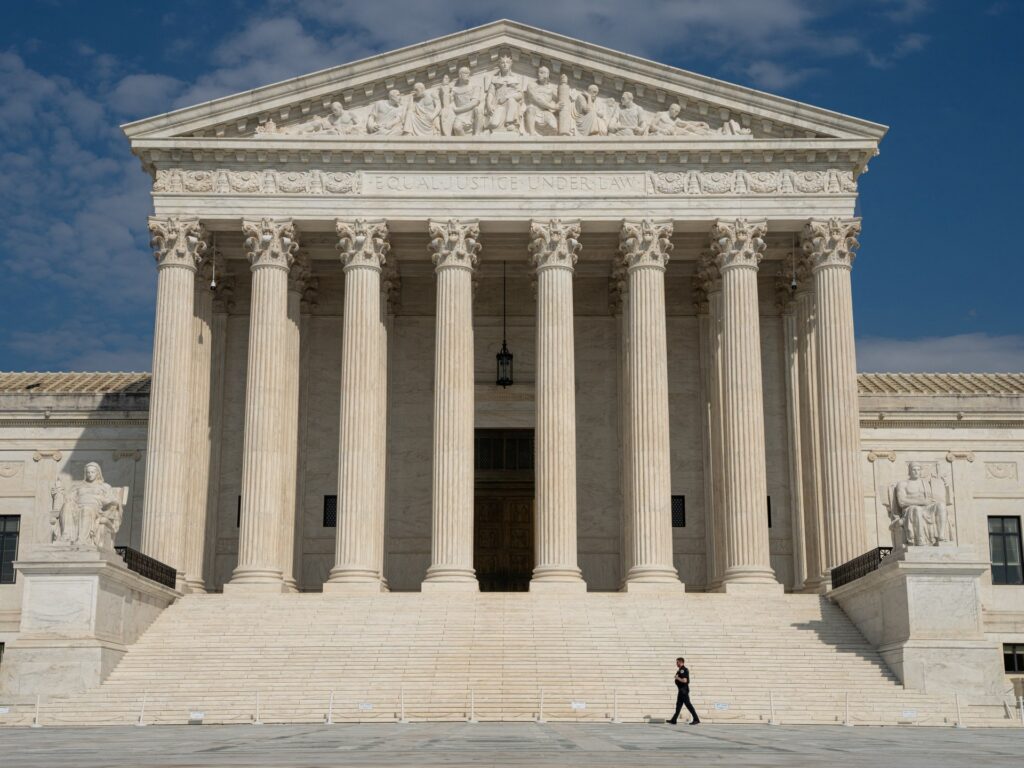
The United States Supreme Court has blocked the implementation of a congressional map in Missouri that was backed by former President Donald Trump. This decision comes amid heightened legal and political tensions in the state, where a Republican official is currently facing contempt charges for defying a lower court ruling related to redistricting.
The controversy centers around the redrawing of Missouri’s congressional districts, a process that has significant implications for political representation and party power within the state. The Trump-backed map was seen as favorable to the Republican Party, aiming to secure and possibly increase their seats in Congress.
However, challenges against the map were quickly raised, arguing that it violated principles of fair representation and potentially disenfranchised certain voter groups. The lower courts had initially ruled against the use of this map, prompting legal battles that escalated to the Supreme Court.
In a recent order, the Supreme Court sided with the challengers, effectively halting the use of the Trump-supported redistricting plan. Though the Court’s decision was brief and did not provide an extensive opinion, the immediate effect is the preservation of the previous district boundaries pending further review.
This ruling has stirred significant reactions among political leaders and the public. Supporters of the blocked map argue that it was a legitimate plan aimed at ensuring effective representation for their constituencies, while opponents claim the decision is a victory for voting rights and fair democratic processes.
Complicating the situation is the case of a Missouri Republican official who has been charged with contempt of court for refusing to comply with the earlier court order prohibiting the use of the new congressional map. This legal defiance underscores ongoing tensions and the high stakes involved in redistricting battles nationwide.
The Supreme Court’s intervention highlights the critical role of the judiciary in overseeing electoral fairness, especially as political parties seek to influence district boundaries to their advantage. This case in Missouri is one of many instances across the country where redistricting disputes are shaping the political landscape ahead of upcoming elections.
As legal proceedings continue, the political environment in Missouri remains highly charged, with both parties preparing for potential outcomes that could reshape congressional representation. The state’s voters and officials await further guidance and final decisions that will determine the rules of political engagement for years to come.