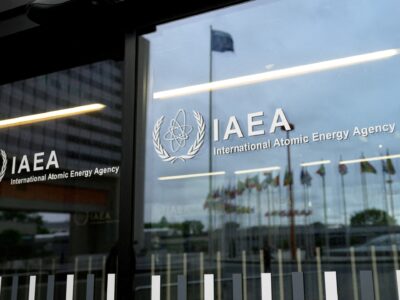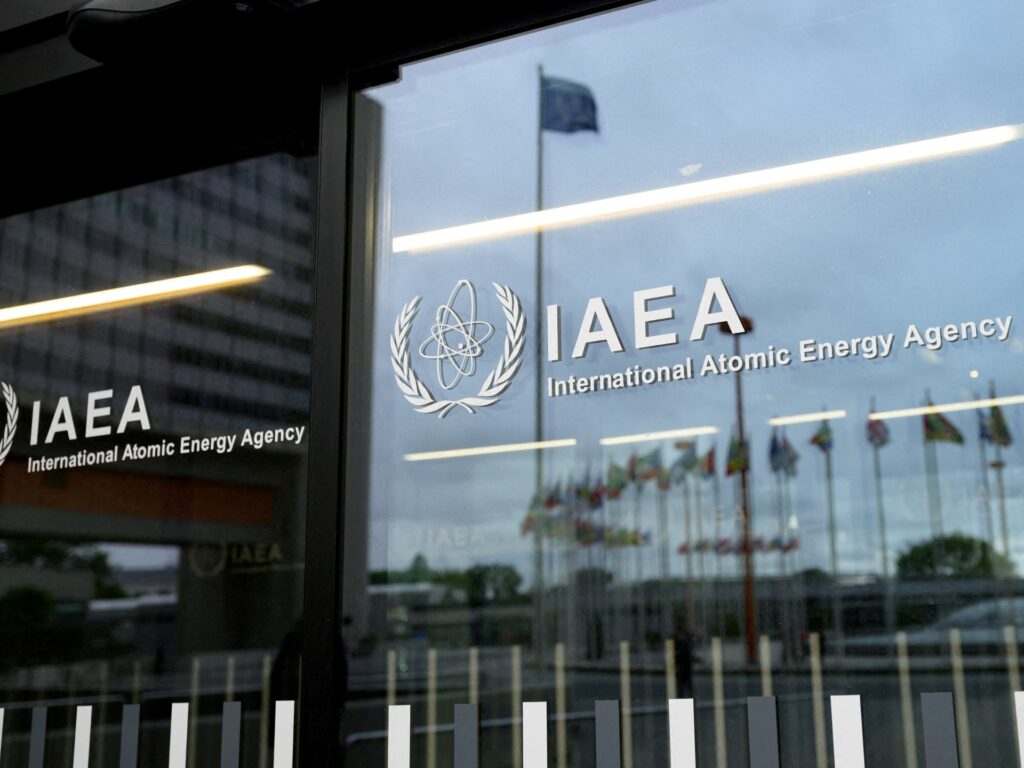
The International Atomic Energy Agency (IAEA) has recently accused Iran of ‘noncompliance’ with its nuclear obligations, sparking international concern and highlighting the ongoing tensions surrounding Iran’s nuclear program. This accusation comes after the IAEA reported going more than a year without being able to inspect key nuclear sites within Iran. The situation is complex, with Iran citing security threats arising from attacks by the United States and its allies as reasons for denying or delaying access to inspectors.
The IAEA, established to promote the peaceful use of nuclear energy and to prevent nuclear proliferation, regularly inspects nuclear facilities in member states to verify that nuclear materials are not diverted for weaponization. Iran, as a member state with an active nuclear program, has been under scrutiny for years, especially after the Joint Comprehensive Plan of Action (JCPOA) agreement intended to limit Iran’s nuclear capabilities was established in 2015.
However, political tensions and disagreements over the JCPOA’s future, especially after the U.S. withdrew from the agreement in 2018 and reinstated sanctions on Iran, have complicated the monitoring process. The inability of the IAEA to inspect Iran’s key sites for over a year raises the concern that Iran might be undertaking activities it does not want the international community to see.
Iran insists that its nuclear program is strictly for peaceful purposes, such as energy production and medical research. Tehran argues that the U.S. and its allies have conducted hostile actions, including cyber attacks and other covert operations, leading to a security environment in which inspections could be unsafe for IAEA personnel.
The accusation of noncompliance signals a deteriorating level of transparency and cooperation from Iran, increasing the risk of misunderstandings or escalations in international relations. Diplomats and experts are worried that this impasse may lead to a fresh nuclear crisis, potentially triggering further sanctions or even military responses.
Moving forward, the international community faces a delicate balancing act. Continued diplomatic efforts are crucial to rebuild trust and resume inspections, which are fundamental to verifying Iran’s nuclear commitments. There have been calls for renewed negotiations to revive or renegotiate the JCPOA, aiming to address the security concerns of all parties involved.
The IAEA’s role remains pivotal; without access to Iran’s nuclear sites, the agency’s ability to monitor nuclear activities is severely compromised. This lack of verification not only undermines nonproliferation efforts globally but also raises fears about a regional arms race in the Middle East.
In conclusion, the ongoing dispute between Iran and the IAEA over inspection access highlights the fragile state of nuclear diplomacy in the region. With tensions high and trust low, the path forward demands concerted diplomatic engagement, confidence-building measures, and a recommitment to peaceful solutions to ensure that Iran’s nuclear activities remain transparent and peaceful, thereby contributing to regional and global security.