In recent days, The Gambia has witnessed escalating protests that turned violent, fueled by public anger over persistent rolling blackouts affecting the nation. Citizens expressed frustration with the inconsistent electricity supply, which has severely impacted households, businesses, and essential services. The outages, occurring almost daily, have disrupted daily life and caused economic strain, prompting widespread dissatisfaction.
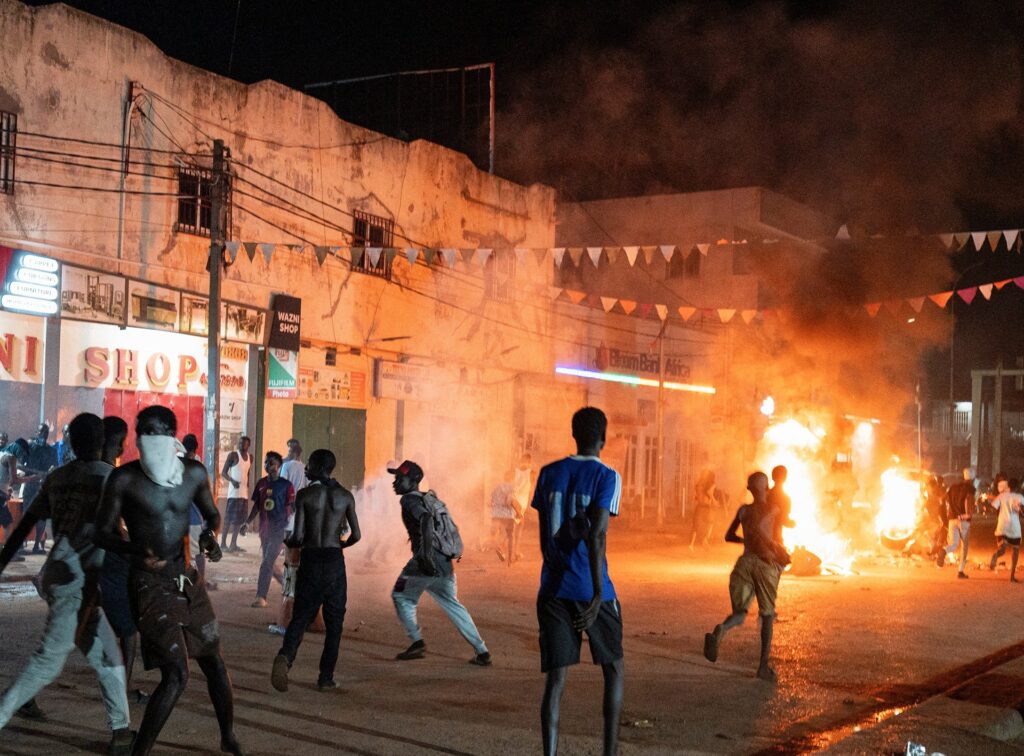
The protests began peacefully with demonstrations and rallies in various parts of the country. However, tensions rose as demonstrators clashed with law enforcement officials during several incidents. Reports indicate that some protestors resorted to throwing stones and setting barricades, while police responded with tear gas and rubber bullets in attempts to disperse the crowds.
Residents from urban and rural communities alike have voiced their grievances, citing the blackouts as a critical obstacle to progress and development. Small business owners lament losses caused by power interruptions, while students and workers have struggled to continue their activities amid the unreliable electricity supply.
Government officials have acknowledged the issue, attributing the blackouts to a combination of aging infrastructure, increased demand, and fuel shortages. Efforts to resolve the crisis include plans to repair and upgrade power plants, as well as seeking alternative energy sources to stabilize the grid.
Despite these announcements, public confidence remains low due to the ongoing nature of the problem and the lack of a clear timeline for improvement. The protests highlight the urgent need for sustainable energy solutions and improved infrastructure investment within The Gambia.
International observers and human rights organizations have called for restraint from all parties to avoid further violence. They urge dialogue between the government and protestors to address concerns constructively and collaboratively.
As the situation develops, the Gambian government faces mounting pressure to expedite interventions and restore reliable electricity to prevent further unrest and promote social stability. The events underscore the critical importance of energy security in maintaining peace and supporting economic growth in developing nations like The Gambia. Authorities are now working to balance public safety with the pressing demands of citizens frustrated by prolonged power failures.