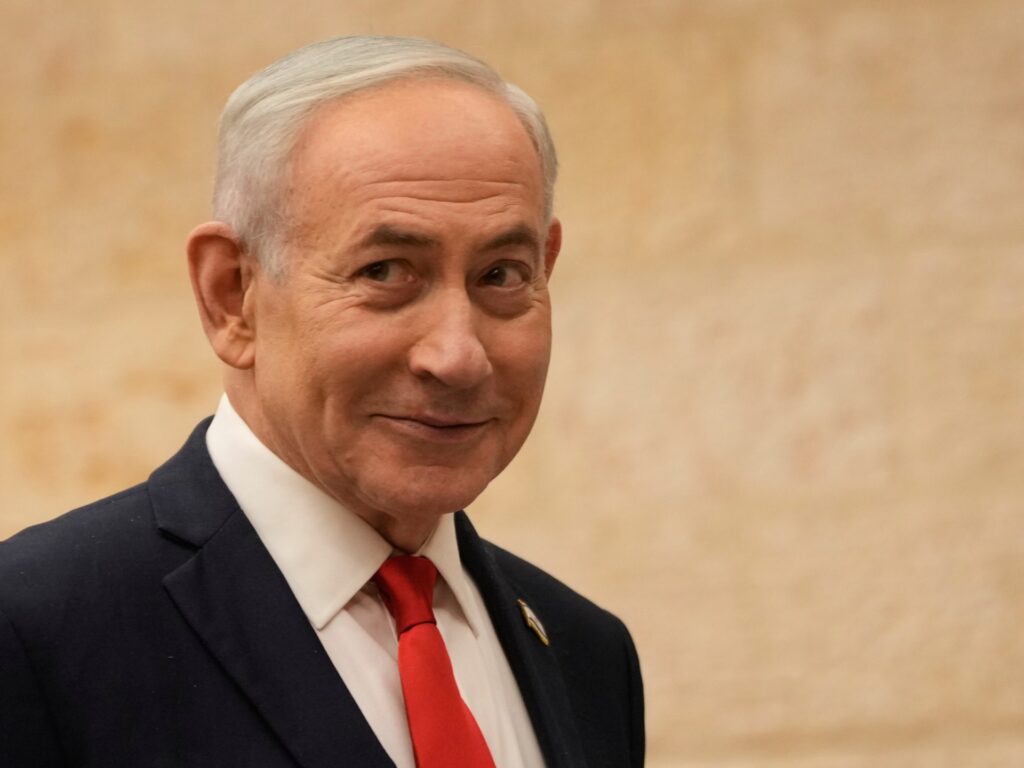
As Israel approaches its national elections, Prime Minister Benjamin Netanyahu has resorted to a familiar political strategy characterized by grievance, blame-shifting, and portraying himself and his administration as victims. This approach comes amid serious accusations that Netanyahu has overseen acts amounting to genocide.
Netanyahu’s political career has frequently involved navigating complex military and political challenges, often framed for domestic audiences through a lens of existential threat and victimization. This narrative serves not only to justify harsh policies but also to solidify his political base by rallying nationalist sentiments.
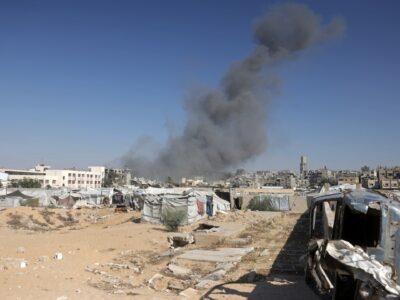
The charges of genocide center on the policies and military strategies implemented during Netanyahu’s tenure, particularly in relation to the Palestinian territories. Critics argue that the Israeli government’s military actions and settlement expansions under Netanyahu have contributed to large-scale loss of civilian life and suffering, fitting the definition of genocidal acts.
Supporters of Netanyahu counter these claims by emphasizing Israel’s need for self-defense against ongoing security threats, including rocket attacks and militant activities from groups opposing Israeli statehood. They frame the government’s actions as necessary measures to protect Israeli citizens and maintain national security.
Ahead of the elections, Netanyahu’s rhetoric has escalated, positioning himself not only as a leader under siege from external threats but also as a figure unfairly targeted by international criticism, including from human rights organizations and foreign governments. He often frames these critiques as attacks on Israeli sovereignty and legitimacy.
This victimhood narrative allows Netanyahu to shift blame for ongoing conflict and humanitarian issues away from his policies and towards external actors, including Palestinian leadership and international entities perceived as hostile to Israel. It also serves to deflect accountability and galvanize voters who may feel insecure or threatened.
The political implications of Netanyahu’s strategy are significant. By appealing to emotions of fear and injustice, he aims to maintain support even as allegations intensify and international scrutiny grows. This approach taps into deep-seated historical memories within Israeli society, including the trauma of past wars and the Holocaust, to justify current actions and policies.
Observers warn that this rhetoric risks deepening divisions within Israeli society and between Israel and its neighbors. Analysts suggest that perpetuating a narrative of victimhood and grievance may hinder opportunities for peaceful resolution and exacerbate tensions in the region.
Netanyahu’s use of this playbook reflects a broader trend in global politics where leaders facing criticism adopt similar tactics to maintain power. As the Israeli electorate prepares to vote, the effectiveness and consequences of Netanyahu’s narrative will be closely watched both domestically and internationally.
In conclusion, Benjamin Netanyahu’s political strategy ahead of Israel’s national elections involves a deliberate portrayal of victimhood amidst grave accusations of genocide. This approach seeks to consolidate power by channeling fear, blame, and grievance, illustrating the complex and contentious nature of Israeli politics today.