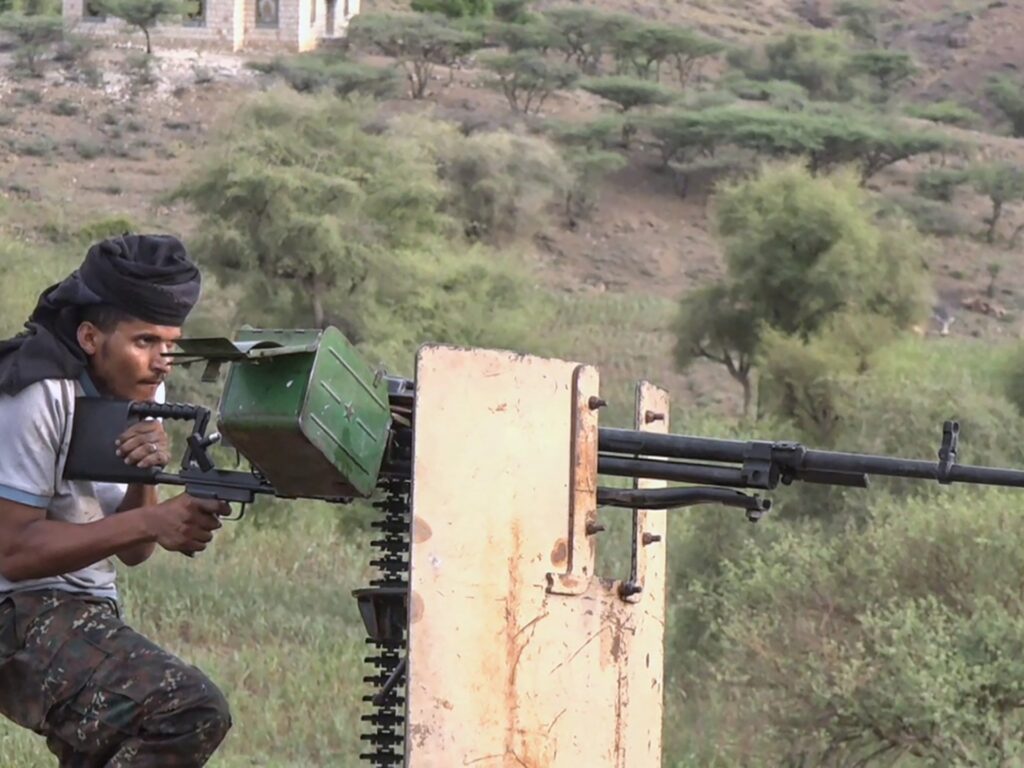
Yemen continues to be a zone of intense conflict as forces loyal to the UN-recognized government and the Houthi rebels engage in fierce battles across multiple fronts. These confrontations are critical as both sides strive to expand their territorial control and influence in the war-torn country.
The fighting encompasses several regions, each carrying strategic significance. For the Yemeni government, backed by the Saudi-led coalition, reclaiming key towns and cities helps solidify their presence and restore governmental authority. Meanwhile, the Houthis, who have held significant parts of northern Yemen including the capital Sana’a since 2014, seek to push their gains further south and consolidate power.
Each front in this conflict represents more than just a battlefield; it is a symbol of the broader power struggle underlying Yemen’s protracted civil war. Control over areas such as the port city of Hudaydah, which is vital for humanitarian access, or the oil-rich regions in Marib province, is essential for sustaining military operations and civilian livelihoods alike.
The intensity of clashes has escalated in recent months due to attempts by both factions to leverage territorial advances ahead of potential political negotiations. The Houthis, supported materially and ideologically by Iran, have demonstrated resilience and tactical adaptability. In contrast, government forces, backed by regional allies like Saudi Arabia and the United Arab Emirates, rely on better-equipped troops and advanced air support.
Civilians often bear the brunt of these confrontations, with displacement, food insecurity, and limited access to medical services worsening rapidly. Humanitarian organizations emphasize the critical need for ceasefires and diplomatic solutions to alleviate the human suffering amidst the ongoing militarized conflict.
In conclusion, the battle lines drawn across Yemen are significant both in military strategics and symbolic terms, reflecting the intense contest between the internationally recognised government and the Houthi movement. Each front matters not only for the control of land but also for the future political trajectory of Yemen, a country deeply scarred by years of conflict and in desperate need of peace and stability.