Pakistan has issued a stern warning regarding the escalating conflict between Yemen’s Houthi rebels and Saudi Arabia, indicating that the Mecca defence pact could be activated if the attacks persist. The Mecca defence agreement, which was established to promote collective security among Muslim nations, could see increased involvement from Pakistan as tensions escalate.
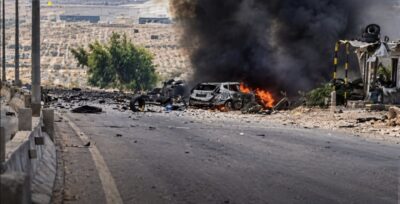
The recent surge in attacks by the Houthi rebels on Saudi Arabian territory has raised serious concerns within the region. These attacks not only threaten the security of Saudi Arabia but also destabilize the broader Middle East region. Pakistan, a key signatory of the Mecca defence pact, has expressed its readiness to respond decisively should these hostilities continue.
The Mecca defence pact is a significant security arrangement aimed at uniting Muslim countries to confront common threats and maintain regional peace. It represents a collective commitment to mutual defence, allowing member countries to come together in the event of an attack on any one member.
Pakistan’s warning underscores the gravity with which it views the conflict and its willingness to support Saudi Arabia in its defence efforts. The country has historically maintained strong ties with Saudi Arabia, both politically and militarily, and this situation could potentially deepen their strategic cooperation.
Analysts suggest that the activation of the defence pact could lead to increased military coordination and possibly joint operations to counter the Houthi threat. This move would signal a significant escalation in the region, potentially drawing in other member states of the agreement.
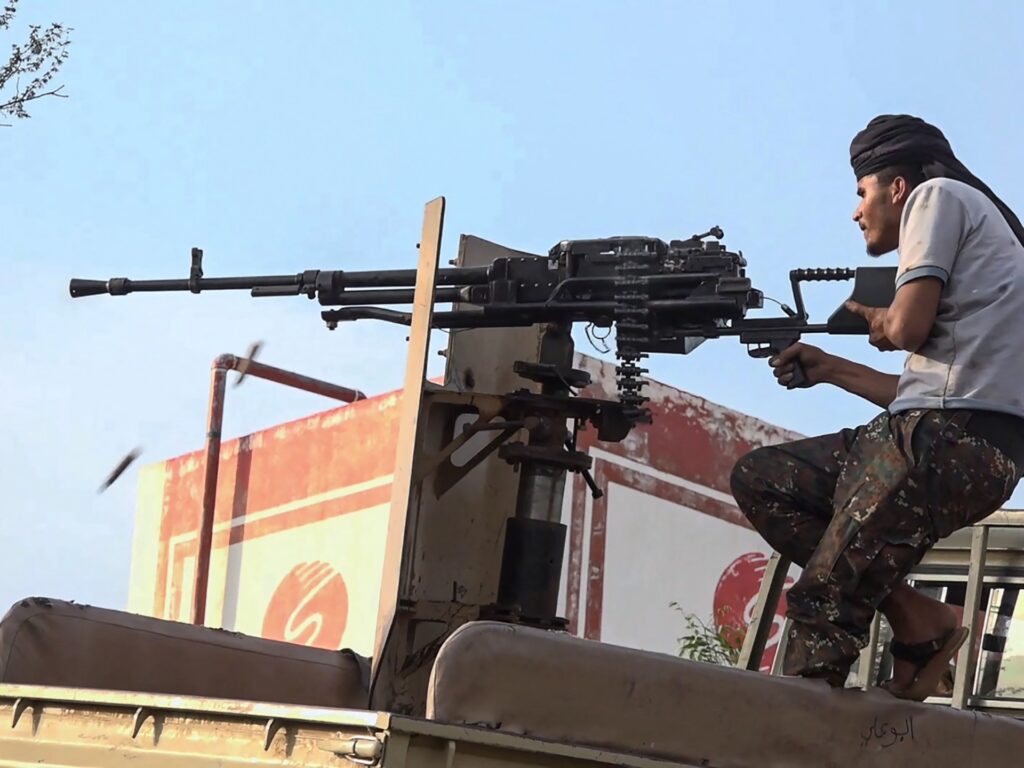
The conflict in Yemen has been ongoing for several years, with the Houthi rebels, backed by Iran, fighting against the Yemeni government and its allies, including Saudi Arabia. The war has led to a severe humanitarian crisis, with millions displaced and in need of aid.
Pakistan’s stance highlights the complex geopolitical dynamics in the Middle East, where regional rivalries and alliances play a critical role in shaping security policies. The country’s warning serves as a diplomatic signal to both the Houthis and their supporters, emphasizing the potential consequences of continued aggression.
In response to this development, Saudi Arabia has likely been reviewing its defence strategies and regional partnerships to counteract the Houthi attacks effectively. The possibility of invoking the Mecca defence pact may also encourage diplomatic efforts to resolve the conflict and prevent further escalation.
The international community continues to watch the situation closely, recognizing the broader implications for regional stability and security. The activation of the Mecca defence pact could set a precedent for collective security measures in the region, influencing future conflicts and alliances.
Overall, Pakistan’s warning reflects the heightened tensions in the Middle East and the delicate balance of power among Muslim nations. The situation remains fluid, with potential developments hinging on the actions of the Houthi rebels and the responses of the affected countries.
As the conflict unfolds, the role of defence pacts like the Mecca agreement will be crucial in shaping the security landscape of the region. Pakistan’s position reinforces the importance of regional solidarity and collective action in addressing threats to peace and stability.