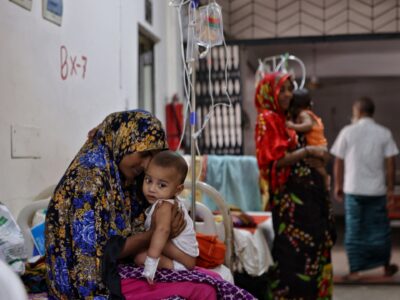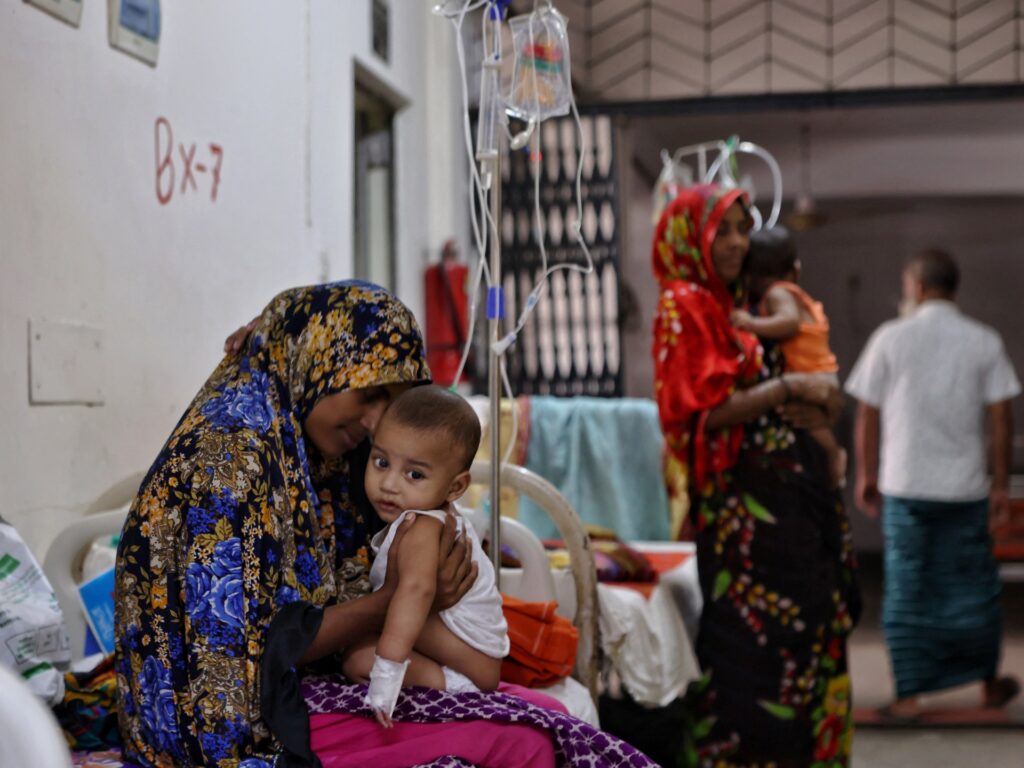
Bangladesh is currently grappling with its deadliest measles outbreak in recent history, with the death toll surpassing 1,000 children since the epidemic began in March of this year. Official reports reveal that 1,002 children have lost their lives, while nearly 190,000 others have been infected across the country.
Health authorities label this as the most severe measles outbreak Bangladesh has faced in decades. The disease has spread rapidly among children, particularly in densely populated and underserved regions.
The surge in cases and fatalities has largely been attributed to lapses in the vaccination campaign. Despite government efforts to inoculate the population against measles, recent drives have fallen short of their targets, leaving many children vulnerable to the contagious and potentially fatal infection.
Experts emphasize that measles, a vaccine-preventable disease, poses a serious threat when vaccination coverage wanes. Complications such as pneumonia, encephalitis, and malnutrition can arise, which contribute heavily to mortality rates among affected children.
Healthcare workers in Bangladesh are now under immense pressure to contain the outbreak and accelerate immunization efforts. Medical facilities, especially in rural areas, are struggling to manage the surge in measles patients, further complicating public health response.
The government has called for international support to bolster supplies of vaccines, improve healthcare infrastructure, and raise public awareness about the importance of timely measles immunization.
Parents and caregivers are urged to bring children for vaccination promptly to prevent further spread and avoidable deaths. Community outreach programs and awareness campaigns are being intensified to overcome vaccine hesitancy and misinformation.
This outbreak underscores the critical need for sustained investment in immunization programs and thorough surveillance to prevent such health crises in the future.
Efforts are underway to identify and reach unvaccinated children, especially in remote and marginalized communities, to close the immunity gap.
Global health organizations, including the WHO and UNICEF, have expressed concern and pledged support to Bangladesh to mitigate the measles outbreak’s impact.
In conclusion, the tragic measles outbreak in Bangladesh highlights vulnerabilities in public health systems when vaccination coverage drops. Coordinated efforts by the government, international partners, communities, and healthcare providers remain essential to control and ultimately eliminate measles in Bangladesh.