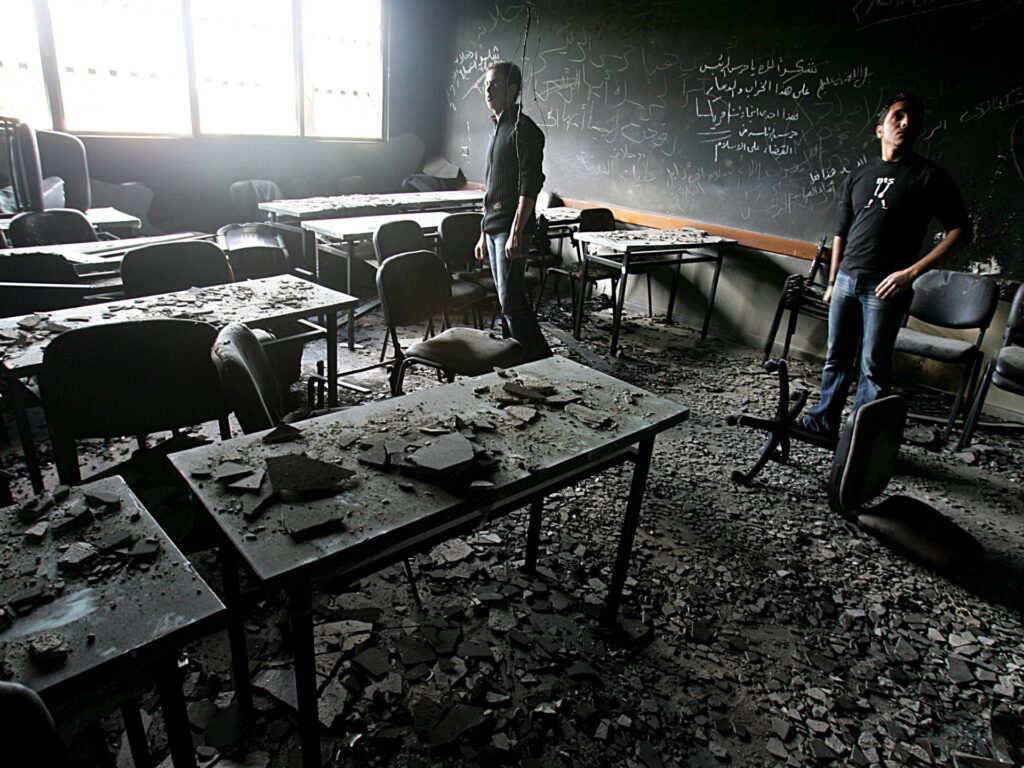
As the new academic term commences worldwide, many students in Gaza who have secured offers from overseas universities and scholarships find themselves unable to embark on their educational journeys due to stringent and complex immigration regulations. Despite achieving admission to prestigious institutions abroad, these students remain trapped in a geopolitical quagmire that severely restricts their movement and access to international education.
The Gaza Strip, a densely populated area with limited autonomy and a fractured political landscape, has long been subjected to blockades and restricted borders that hinder its residents’ freedom to travel. For students aspiring to broaden their academic horizons, these conditions translate into nearly insurmountable barriers.
Universities abroad have extended offers and scholarships to numerous exceptional students from Gaza, recognizing their academic potential and the importance of fostering global educational exchanges. Unfortunately, the process of obtaining travel permits and visas is complicated by the geopolitical situation, leading to prolonged delays or outright denials.
One primary obstacle is the stringent immigration policies maintained by many countries that require complex documentation and security clearances which are difficult for Gaza students to satisfy. Additionally, the closure of airports and border crossings around Gaza dramatically limits the available routes for travel.
Families and educators in Gaza express profound frustration and sadness as talented youth are forced to postpone or abandon their academic dreams. Many students have invested years preparing for higher education, securing scholarships that are often a rare and precious opportunity in Gaza’s challenging economic conditions.
There is growing international concern and calls for humanitarian and educational corridors that would allow students to cross borders for the sake of education. Advocates argue that educational mobility is a fundamental human right and critical for the development and empowerment of young people.
Efforts by non-governmental organizations and diplomatic bodies continue to lobby for eased immigration restrictions, but progress is slow and hampered by the wider political impasse. Meanwhile, these students wait in limbo, hopeful yet uncertain when, or if, they will be able to begin their studies abroad.
This situation underscores the broader struggles faced by Gaza’s population, where restrictions on mobility impact education, employment, healthcare, and life opportunities. The academic aspirations of Gaza’s youth are emblematic of their desire for a better future, yet these hopes are stymied by factors beyond their control.
As the academic year unfolds, the plight of Gaza students highlights the urgent need for international cooperation to devise solutions that prioritize human rights and educational access, ensuring that no deserving student is left behind due to geopolitical constraints.