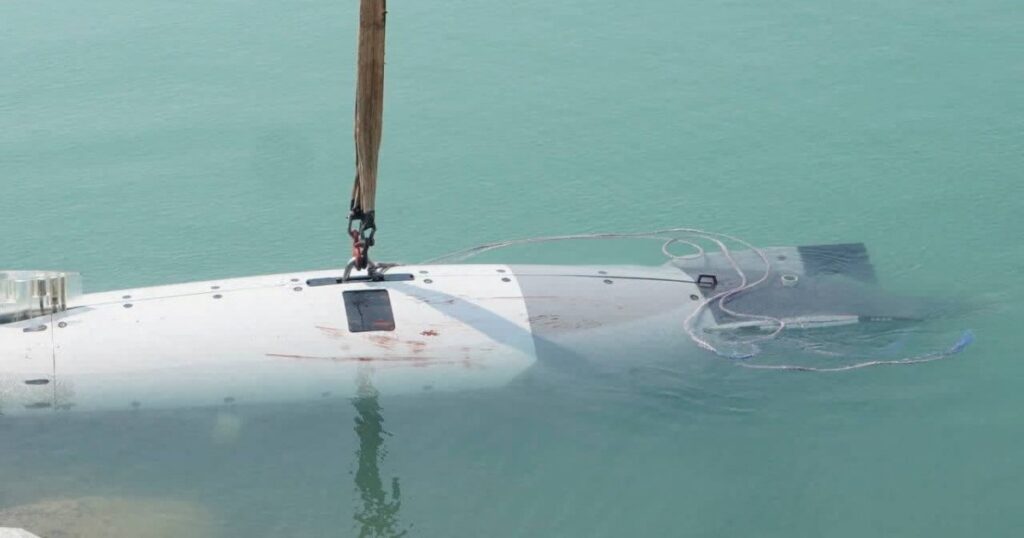
Recently, Iran announced that it had captured a US underwater drone, known specifically as the Dive-LD vessel. This event has sparked widespread discussion and contrasting claims from Tehran and Washington. Iran’s authorities lauded their military forces for successfully seizing the submersible, presenting it as a significant achievement and an example of their vigilance in protecting national waters.
The Dive-LD is a type of underwater drone developed for reconnaissance purposes, capable of operating undetected for extended times and gathering intelligence below the surface. Its mission profiles often include surveillance, mapping, and underwater inspection, typically in sensitive maritime zones.
Tehran released statements highlighting the capture as a demonstration of their defense readiness and technological capabilities. They stressed that this underwater drone was found operating in Iranian territorial waters and was confiscated to prevent any potential spying or intervention in their security affairs.
However, the US government responded with a different narrative. Washington officials insisted that the Dive-LD submersible in question had experienced a malfunction a day before the capture and was not intentionally operating in Iranian waters to conduct any espionage. According to their account, the vehicle drifted off course due to technical difficulties, leading to its unintentional presence near Iran.
This incident reignites concerns about underwater drone activities in contested maritime regions, raising questions about sovereignty, security, and technological vulnerabilities. Underwater drones like Dive-LD play a critical role in modern naval intelligence but also pose risks if they malfunction or are intercepted.
Experts point out that unmanned underwater vehicles (UUVs) are increasingly used by militaries worldwide for intelligence gathering without risking human lives. However, when these devices fail, incidents like the one involving the Dive-LD could escalate diplomatic tensions.
Iran’s capture of the Dive-LD highlights the broader geopolitics of the Persian Gulf region, where underwater surveillance and monitoring are strategic priorities for all involved parties. Controversies over underwater drone activities reflect the ongoing struggle for control and intelligence dominance in these strategic waterways.
While both sides present different versions of the event, the incident emphasizes the need for clear rules and mutual agreements on underwater drone deployments to avoid misunderstandings or conflict escalation.
As this story develops, the international community watches closely given the implications for maritime security, technology in warfare, and US-Iran relations. The Dive-LD episode serves as a reminder of how emerging military technologies can create new challenges in geopolitics and defense.