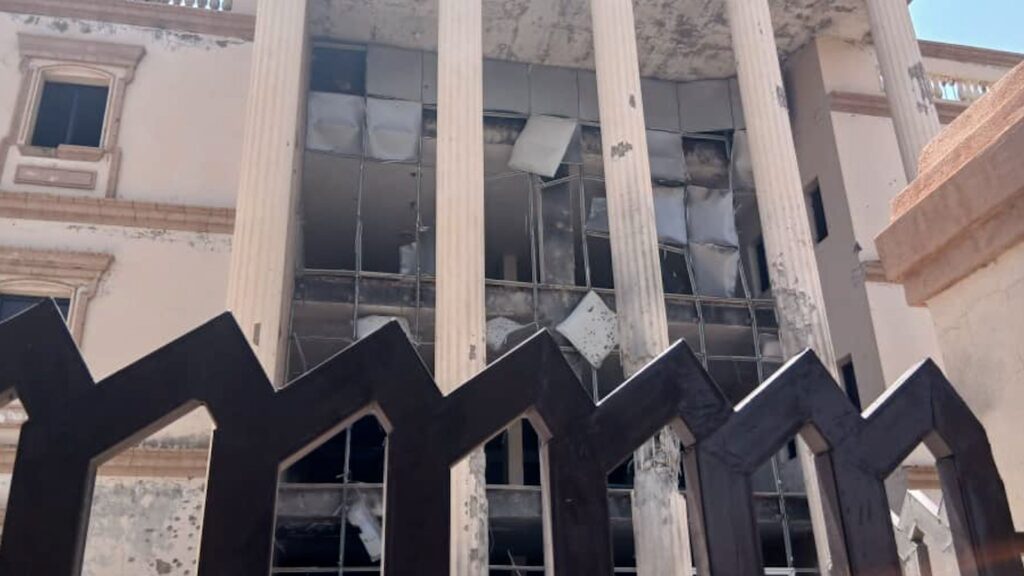
In a tragic incident, a drone attack attributed to the Rapid Support Forces (RSF) struck a court located in North Kordofan state, Sudan, resulting in the deaths of at least 13 individuals and injuring more than 20 others. This attack highlights the increasing violence and instability in the region as armed factions continue to clash amidst a fragile political and security environment.
The targeted location was a court building, a symbol of law and order, which underscores the intent to disrupt civilian institutions and spread fear among the local population. The attack caused significant structural damage to the court premises, leading to an urgent rescue and medical response to treat the wounded.
North Kordofan, a region already affected by conflict and unrest, has witnessed escalating violence between various armed groups, including the RSF, a paramilitary force that has played a controversial role in Sudan’s recent conflicts. This latest assault is indicative of the ongoing power struggles that have destabilized the country since the downfall of former Sudanese leadership.
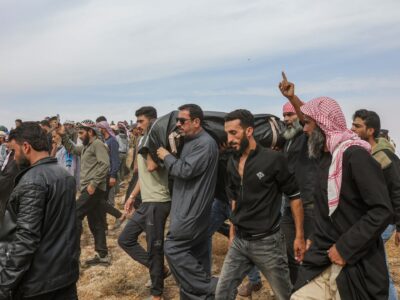
Local authorities and emergency services responded swiftly to the attack scene, evacuating survivors and providing critical care to the injured. Hospitals in the area have been overwhelmed with casualties, putting additional strain on limited medical resources.
The international community has expressed deep concern over the attack, calling for an immediate cessation of hostilities and urging all parties to return to dialogue and peaceful negotiation. The targeting of civilian infrastructure such as courts threatens the rule of law and undermines prospects for peace and stability in Sudan.
This deadly drone strike is part of a broader pattern of conflict that has plagued Sudan, where drone and aerial attacks have become more frequent in recent conflicts, demonstrating a dangerous escalation in warfare tactics.
Human rights organizations have condemned the attack, highlighting the devastating impact on innocent civilians and calling for accountability for those responsible. The incident also raises serious questions about the protection of civilians during armed confrontations and the need for strengthened international mechanisms to prevent such tragedies.
As investigations continue, the victims’ families seek justice and answers amidst a climate of fear and insecurity. The Sudanese government faces mounting pressure to enhance security measures to protect civilians from future attacks.
The attack serves as a grim reminder of the ongoing crisis in Sudan, where peace remains elusive, and the cost of conflict continues to mount. Without concerted efforts from all stakeholders, including international mediation, the cycle of violence and suffering is likely to persist.
This tragic event highlights the urgent need for renewed commitment to peace efforts and the protection of civilian life in Sudan, with a view toward stabilizing the nation and fostering reconciliation among its diverse communities.