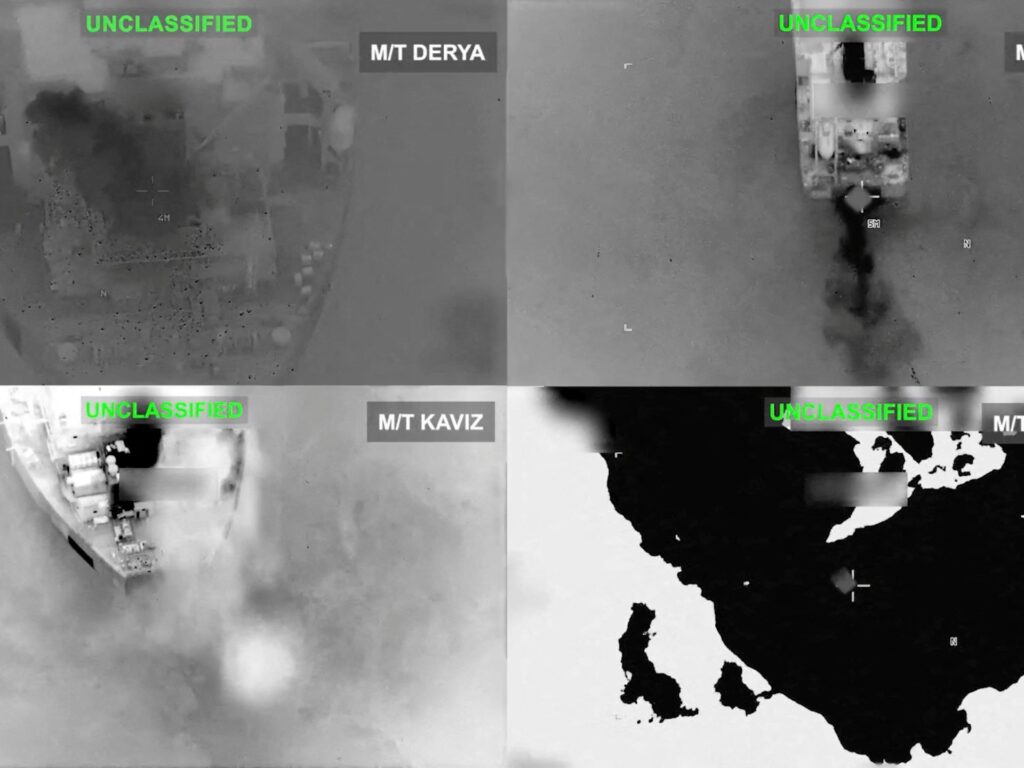
Tensions in the Middle East have escalated significantly following a series of military engagements involving the United States and Iran. The US military announced it conducted strikes on five Iranian oil tankers, a move described as a direct response to Iranian actions. According to official statements, the US targeted these vessels after the Islamic Revolutionary Guard Corps (IRGC) allegedly attacked a US warship twice within a span of two days.
The initial incident involved the IRGC vessels engaging the US naval ship, which heightened concerns over maritime security in the strategic Gulf region. Following these attacks, the US military responded decisively by attacking Iranian oil tankers believed to be involved in activities supporting the IRGC’s aggression.
In retaliation, Tehran launched strikes against Jordanian territory, marking a dangerous escalation in the conflict. Iranian forces targeted strategic locations in Jordan, signaling Tehran’s willingness to expand the scope of regional hostilities. This cross-border attack has raised alarms internationally and threatens to destabilize the already volatile Middle Eastern geopolitical landscape.
Experts are closely monitoring the situation as diplomatic channels work to deescalate tensions. The US maintains that its actions are defensive, intended to protect its naval assets and maintain freedom of navigation in international waters. Meanwhile, Iran asserts its right to defend its interests and respond to what it terms unjustified aggression.
The implications of this escalating conflict are profound. The strikes on oil tankers disrupt global oil supply lines, potentially affecting international markets. Moreover, the regional fallout from missiles striking Jordan could draw in additional nations, exacerbating the conflict.
International bodies and allied nations have called for restraint and emphasized the urgent need for dialogue and peaceful resolution. The potential for an extended conflict poses risks not only to the countries involved but also to global stability and energy security.
As the situation develops, the focus remains on diplomatic efforts to prevent further military actions and to establish a framework for sustainable peace in a region long fraught with tension and conflict. Both Washington and Tehran face significant pressure to avoid an all-out war and to seek pathways toward de-escalation and negotiation.
The coming days will be critical in determining whether this latest flare-up will lead to a broader regional conflict or open the door for renewed diplomatic engagement between the US, Iran, and their respective allies.