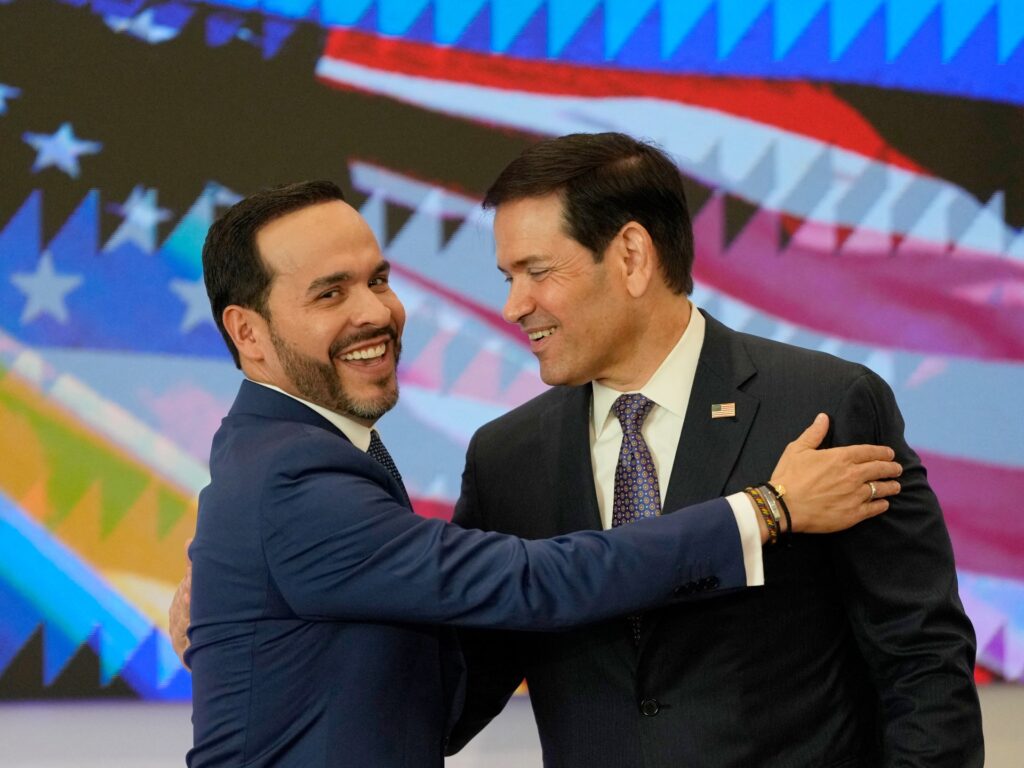
In a strategic move aimed at bolstering ties with Latin American nations, U.S. Secretary of State Marco Rubio has embarked on a significant visit to Colombia, Ecuador, and Peru. This tour comes at a critical time when the United States is seeking to deepen cooperation with right-wing allies in the region to enhance both economic and security relationships.
Rubio’s visit underscores a shift in U.S. foreign policy, focusing more intently on Latin America amid growing geopolitical challenges. By engaging with governments aligned with conservative ideologies, the U.S. hopes to forge stronger partnerships that can foster stability and growth in these countries.
During this trip, Rubio is expected to discuss initiatives that promote economic integration, trade partnerships, and security collaborations. These efforts are designed to counterbalance influences from other global powers and address regional issues such as drug trafficking, border security, and economic development.
Colombia, Ecuador, and Peru are pivotal in this strategy due to their geopolitical significance and shared interests with the U.S. in maintaining democratic institutions and combating regional threats. The U.S. aims to support these nations through aid programs, trade agreements, and joint security operations.
The emphasis on economic ties includes exploring new trade deals that can benefit both U.S. businesses and Latin American markets. Enhancing economic ties is seen as a pathway to greater regional stability and opportunity, offering alternatives to illicit economies that have long plagued parts of Latin America.
Security cooperation is another critical aspect, with a focus on intelligence sharing, border security enforcement, and joint efforts to dismantle criminal networks. Such collaboration is vital in addressing transnational challenges that affect both the U.S. and its Latin American neighbors.
Rubio’s agenda reflects the broader U.S. objective of fostering resilient, reliable partnerships in the Western Hemisphere. The engagement with right-leaning governments also signals a strategic preference, aiming to support political allies who align more closely with American values and policy priorities.
Underpinning this diplomatic initiative is the recognition that Latin America’s stability and prosperity are integral to U.S. national interests. Stronger economic and security ties are expected to enhance regional cooperation, reduce conflicts, and promote sustainable development.
The visit has been welcomed by leaders in the host countries, who see the renewed U.S. interest as an opportunity to attract investment, improve security, and strengthen democratic governance. It also provides a platform for multilateral dialogues and regional initiatives aimed at addressing long-standing challenges.
In summary, Marco Rubio’s visit to Colombia, Ecuador, and Peru marks a proactive step by the United States to deepen its engagement in Latin America. Through expanded economic and security cooperation with right-wing governments, the U.S. is positioning itself to better influence regional dynamics and foster a more stable and prosperous hemisphere.