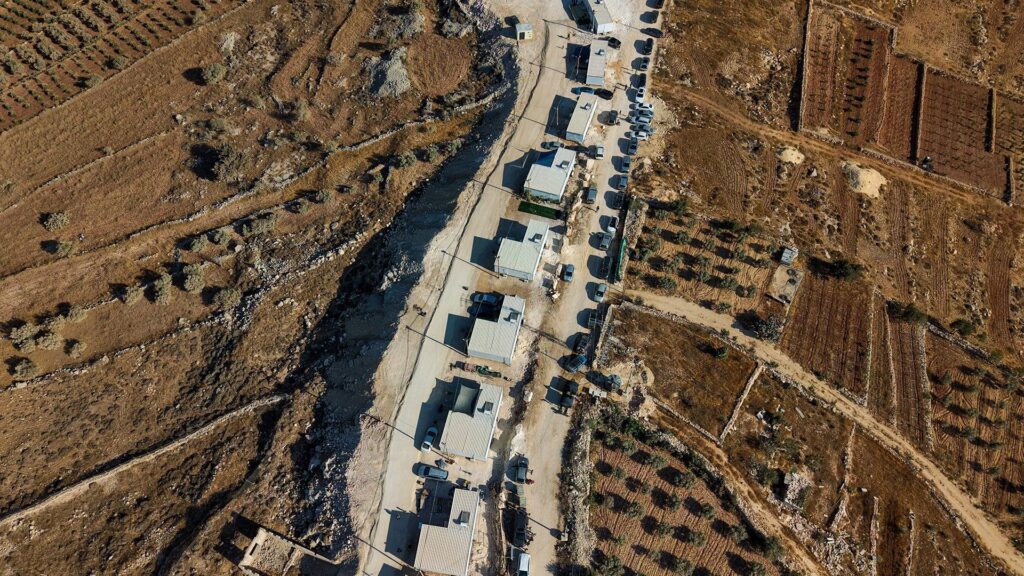
The United Kingdom recently implemented a significant trade policy banning goods produced in Israeli settlements located in the occupied territories. This decisive move targets products originating from settlements deemed illegal under international law, reflecting the UK’s stance on the prolonged Israeli-Palestinian conflict.
The UK government has based this ban on the established legal frameworks that consider Israeli settlements in East Jerusalem and the West Bank as illegal. This policy is aimed at upholding international law and supporting the rights and sovereignty of the Palestinian people.
This development has elicited a sharp response from Israel, which announced the closure of the UK Consulate in East Jerusalem in retaliation. Israel’s move underscores the escalating tensions between the two countries over settlement policies and diplomatic relations in the region.
The settler-produced goods ban prohibits imports of various products including agricultural produce, industrial products, and consumer goods that originate from these contested areas. The UK’s Customs and Border Protection agencies are now tasked with enforcing this ban, complicating trade routes and economic relationships.
This policy shift highlights the broader international community’s divided approach towards Israeli settlements. While many countries view the settlements as illegal and obstacles to peace, others maintain more ambiguous or supportive stances, influencing diplomatic outcomes.
Critics argue that such bans may not significantly alter the political landscape but emphasize the importance of adhering to human rights and international law standards. Proponents believe that applying economic pressure may eventually stimulate a return to meaningful peace negotiations.
The closure of the UK Consulate represents a diplomatic setback. The consulate has traditionally played a critical role in managing UK ties with Palestinians, including cultural exchanges, humanitarian aid, and political dialogue. Its shutdown hinders direct UK engagement in East Jerusalem and complicates efforts to promote peace.
The ban and consulate closure come amid a fragile and often volatile regional context. Recent escalations in violence and settlement expansion have further strained Israeli-Palestinian relations and elicited widespread international concern.
For the UK, this move symbolizes a commitment to a rules-based international order and a clear position on Israeli settlement activities. It signals solidarity with Palestinian aspirations and a willingness to bear diplomatic costs to uphold principles.
Israel maintains that the settlements are legitimate and critical for its security and historical claims. It views the UK’s ban and diplomatic reprisals as unjust and counterproductive actions that undermine bilateral relations between the two countries.
The impact on the ground remains uncertain. For Palestinians, the ban could provide a symbolic diplomatic win and bolster calls for greater international recognition. For Israeli settlers and businesses, it introduces economic challenges and uncertainty about future access to important markets.
This UK-Israel dispute over settlement goods and diplomatic missions highlights the complexity of the Israeli-Palestinian conflict and the difficulties in balancing legal, political, and economic interests.
As tensions escalate, the international community closely watches these developments, which could reshape diplomatic alignments and influence future peace efforts in the region.
The UK’s ban on settlement goods and Israel’s response underscore the deep divisions and ongoing struggles that define this decades-old conflict, where every new policy decision resonates far beyond the immediate region, affecting global diplomacy and international law discourse.