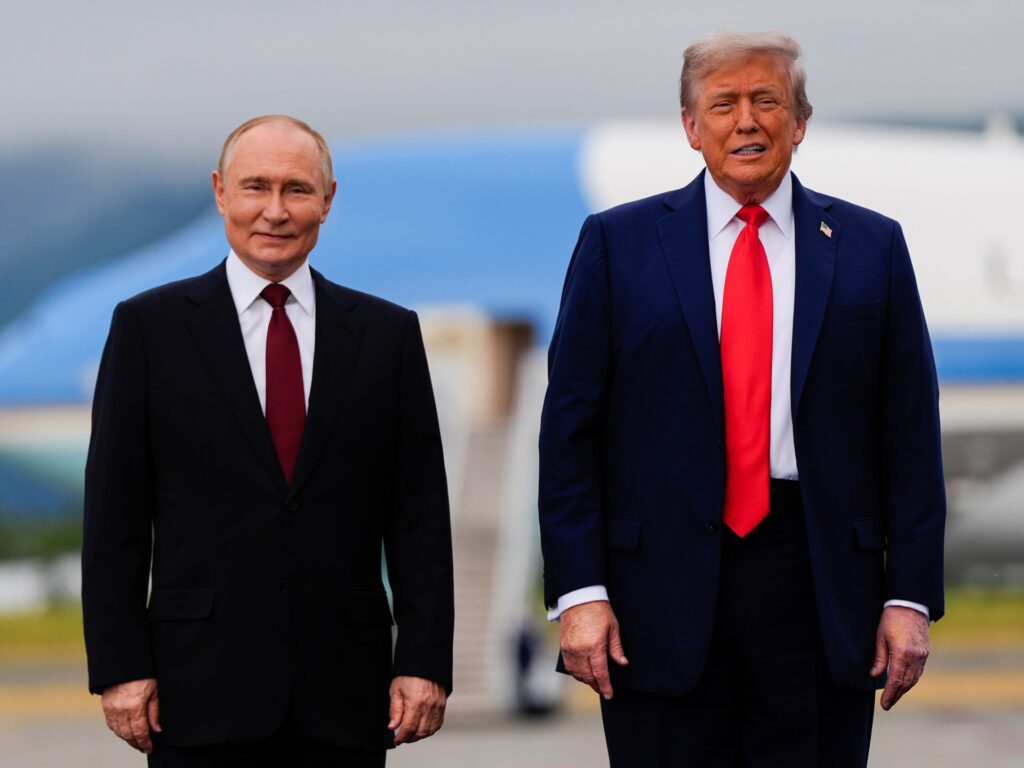
Former U.S. President Donald Trump and Russian President Vladimir Putin recently engaged in a candid phone conversation, marking a notable development as the United States intensifies diplomatic efforts to resolve the ongoing conflict in Ukraine. This dialogue follows visits by U.S. special envoys to both Russia and Ukraine, where they presented and discussed a proposal aimed at bringing an end to the war.
The phone call between Trump and Putin is described as ‘frank,’ reflecting open and direct communication between the two leaders. This interaction comes at a critical juncture, as the U.S. government works to broker peace amidst persistent fighting and geopolitical tensions in the region.
The U.S. special envoys’ mission was part of a broader strategy to engage both sides in dialogue, seeking common ground that could lead to a sustainable ceasefire and subsequent negotiations. Their visits to Moscow and Kyiv involved discussions on the war’s dynamics, humanitarian concerns, and potential pathways toward conflict resolution.
While details of the proposal remain confidential, its core objective is reportedly to establish a framework under which hostilities may be paused, allowing for diplomatic talks that could address underlying issues fueling the conflict. Such efforts underscore the U.S.’s commitment to a peaceful resolution, balancing support for Ukraine’s sovereignty with pragmatic engagement with Russia.
Analysts note that Trump’s involvement adds an interesting dimension to the ongoing negotiations. Known for his unconventional approach to foreign policy, Trump’s direct communication with Putin could either facilitate new openings or complicate existing diplomatic channels maintained by the current U.S. administration.
The international community has largely welcomed increased dialogue, emphasizing the urgent need to end the war that has caused significant humanitarian suffering and global instability. The call between the two leaders signals a willingness, at least at some level, to reconsider hardened positions and explore avenues for peace.
As the situation develops, attention will focus on subsequent diplomatic moves, responses from both the Russian and Ukrainian governments, and the potential role of other international actors in supporting peace efforts.
This unprecedented telephone conversation exemplifies the complexities of international diplomacy in conflict resolution, highlighting both opportunities and challenges as the world watches closely for progress toward lasting peace in Ukraine.