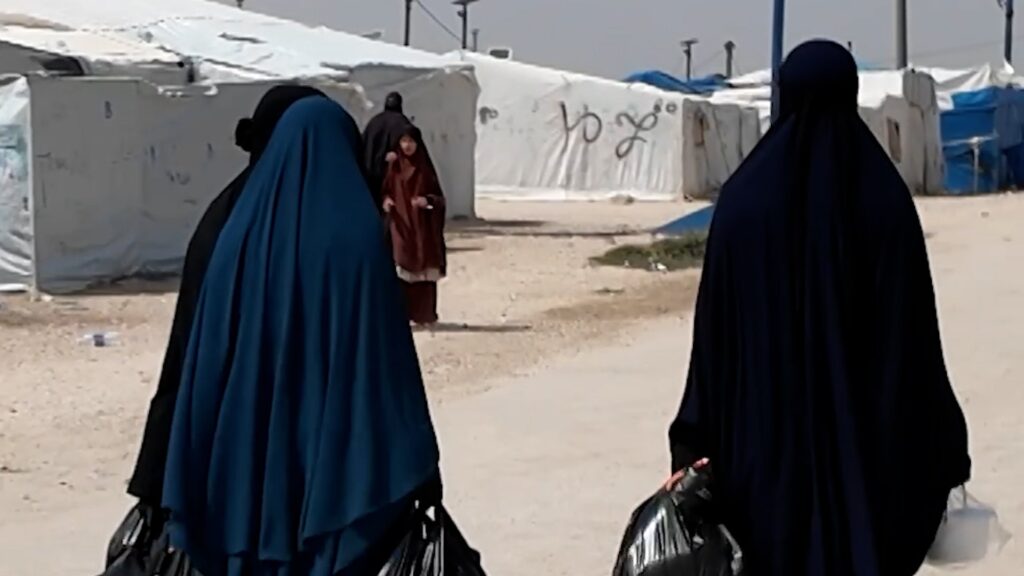
The Roj camp in northeastern Syria continues to hold women and children under dire conditions, raising humanitarian concerns internationally. Primarily, the camp hosts families linked to the Islamic State group, including many foreign nationals whose repatriation has been fraught with political and logistical difficulties. Despite ongoing calls from human rights organizations for improved living standards and safe evacuation, the residents of Roj face overcrowding, limited access to medical care, and poor sanitation.
Authorities managing the camp and the international community struggle with the complex legal and security issues surrounding the inhabitants. Many women and children are not combatants themselves but find themselves trapped by association. Efforts to improve conditions have been slow, hampered by geopolitical tensions and security concerns.
Humanitarian groups stress the urgent need for coordinated international action to address the humanitarian crisis. They advocate for the repatriation of foreign nationals, especially children who have most to gain from a safe and stable environment. The future of Roj camp residents remains uncertain as political stalemates continue.
The situation in Roj highlights broader challenges faced in post-conflict zones where the lines between civilians and combatants blur. It also underscores the necessity for global cooperation in managing the aftermath of extremist conflicts. As the world watches, the plight of women and children in Roj serves as a stark reminder of the human cost of war and the ongoing need for compassion and effective policy solutions.