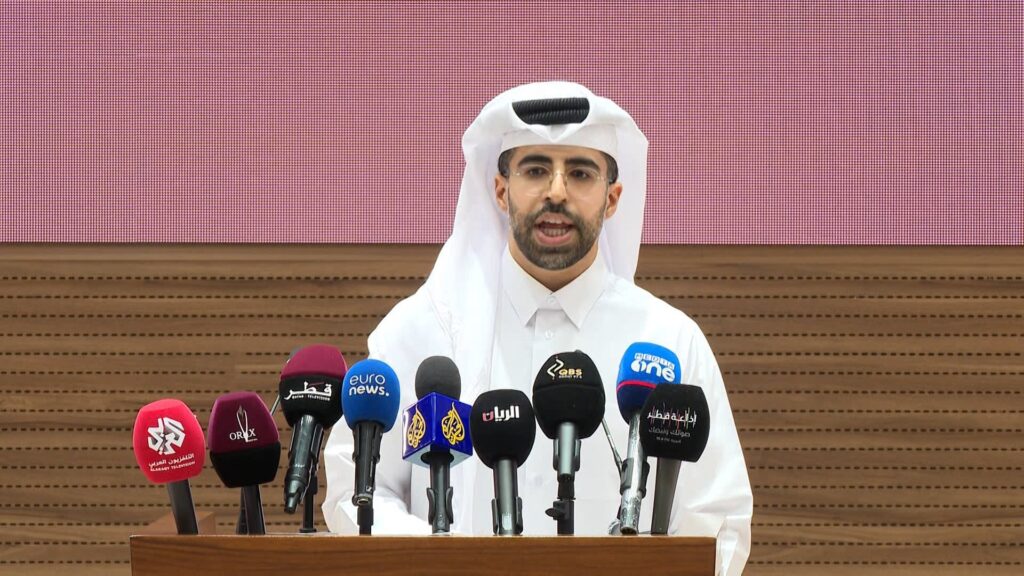
In recent developments, Qatar has issued a formal response to Israeli Prime Minister Benjamin Netanyahu’s characterization of the country as a ‘hostile state.’ Netanyahu’s remarks have stirred significant diplomatic tensions, prompting Qatar to address these accusations publicly.
The statement from Qatar emphasized its ongoing commitment to regional stability and peace, countering Netanyahu’s claims which it described as unfounded and detrimental to the prospects of dialogue and cooperation in the Middle East. Qatar reiterated its role as a mediator in various regional conflicts and highlighted its efforts in humanitarian aid and conflict resolution.
Official sources from Doha expressed regret over the escalation of rhetoric, calling for a more constructive approach to resolving disputes through diplomacy rather than accusations. Qatar’s foreign ministry underscored the importance of mutual respect and understanding among nations to foster long-term peace in the volatile region.
Analysts interpret Netanyahu’s comments as reflective of broader political dynamics and tensions between Israel and states perceived to have opposing interests or alliances. Qatar’s response signals its intention to defend its international standing and narrative amid these complex geopolitical maneuvers.
The situation draws attention to the fragile nature of Middle East diplomacy where rhetoric and statements from influential leaders can influence public perception and diplomatic relations. Qatar’s stance highlights the critical role of balanced dialogue and the dangers of inflammatory language.
Experts suggest this exchange could have implications on future negotiations and alignments in the region, stressing the need for responsible communication from all parties involved. The international community watches closely as Qatar and Israel navigate their contentious relationship amidst persistent regional challenges.
This incident is a reminder of the interplay between political statements and their impact on international relations, especially in regions marked by historical conflicts and ongoing efforts toward peace and cooperation.