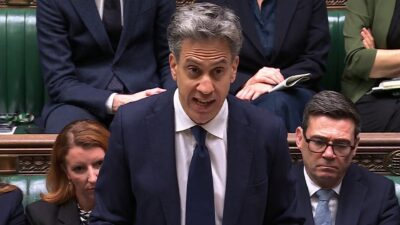
In a significant move reflecting its stance on the Israeli-Palestinian conflict, the United Kingdom has announced new sanctions specifically targeting goods produced in Israeli settlements located in the occupied West Bank. The UK’s Foreign Secretary declared a ban on the trade of these goods, marking a clear departure in British policy aimed at addressing issues related to the settlements. This decision is expected to have wide-reaching implications in diplomatic, economic, and political spheres.
The occupied West Bank has been a focal point of conflict and contention in the Israeli-Palestinian dispute for decades. Israeli settlements in this area are considered illegal under international law by many countries and international bodies, including the United Nations. However, Israel disputes this characterization, maintaining administrative control over the territories.
The UK government’s announcement underscores its commitment to international law and its intent to discourage activities it views as undermining the peace process. By banning trade with goods originating from these settlements, the UK aims to exert economic pressure as part of broader efforts to promote a two-state solution.
Trade restrictions will affect a range of products from the settlements, including agricultural produce, manufactured goods, and other commercial items. This ban will impact businesses engaged in exporting these goods to the UK, as importers will no longer be able to legally bring these products into the country.
The announcement has been met with varied reactions. Supporters of the decision praise it as a principled stance supporting Palestinian rights and compliance with international norms. Critics, however, warn that such sanctions could damage UK-Israel relations, hinder diplomatic dialogue, and negatively affect economic ties.
This move puts the UK among a group of European nations contemplating similar trade restrictions and reflects growing international concern over settlement expansion. It also aligns with wider international efforts to encourage negotiations and a peaceful resolution to the Israeli-Palestinian conflict.
The UK government has emphasized that this policy targets only goods from settlements rather than Israel as a whole, clarifying that trade with Israeli businesses located within internationally recognized borders remains unaffected.
This announcement follows increased attention to the settlement issue amid rising tensions in the region. The international community continues to debate the legal status and humanitarian implications of settlement activities.
Economic analysts suggest that while the immediate economic impact on the settlements may be limited due to their relatively small scale of exports, the political symbolism of the UK’s decision is substantial. It signals a stronger stance by the UK in alignment with international law and human rights.
Diplomatic sources indicate that the UK will continue to engage with Israeli and Palestinian leaders to encourage dialogue and to press for an end to policies that exacerbate the conflict.
The trade ban will enter into effect following the publication of detailed regulations outlining enforcement mechanisms and exceptions.
The UK government has committed to monitoring the impact of these sanctions and reviewing them in light of developments on the ground and progress toward peace.
This development is likely to influence other countries’ policies and contribute to ongoing international discussions regarding the Israeli-Palestinian conflict.
The Israeli government has responded with criticism, labeling the sanctions as unfair and damaging to bilateral relations. Israeli officials argue that such measures complicate peace efforts by fostering division rather than dialogue.
On the Palestinian side, leaders have welcomed the UK’s decision as a step toward recognizing Palestinian rights and the illegality of settlements.
Human rights organizations have also supported the sanctions, viewing them as a practical action to enforce international law and discourage settlement expansion.
Observers will be watching closely how these sanctions affect economic activity in the West Bank settlements and whether they influence broader political developments.
The UK’s decision is part of a broader international effort to apply pressure for a negotiated settlement based on respect for human rights and territorial integrity.
As the situation evolves, the international community remains hopeful for renewed peace talks and a resolution that addresses the aspirations of both Israelis and Palestinians.