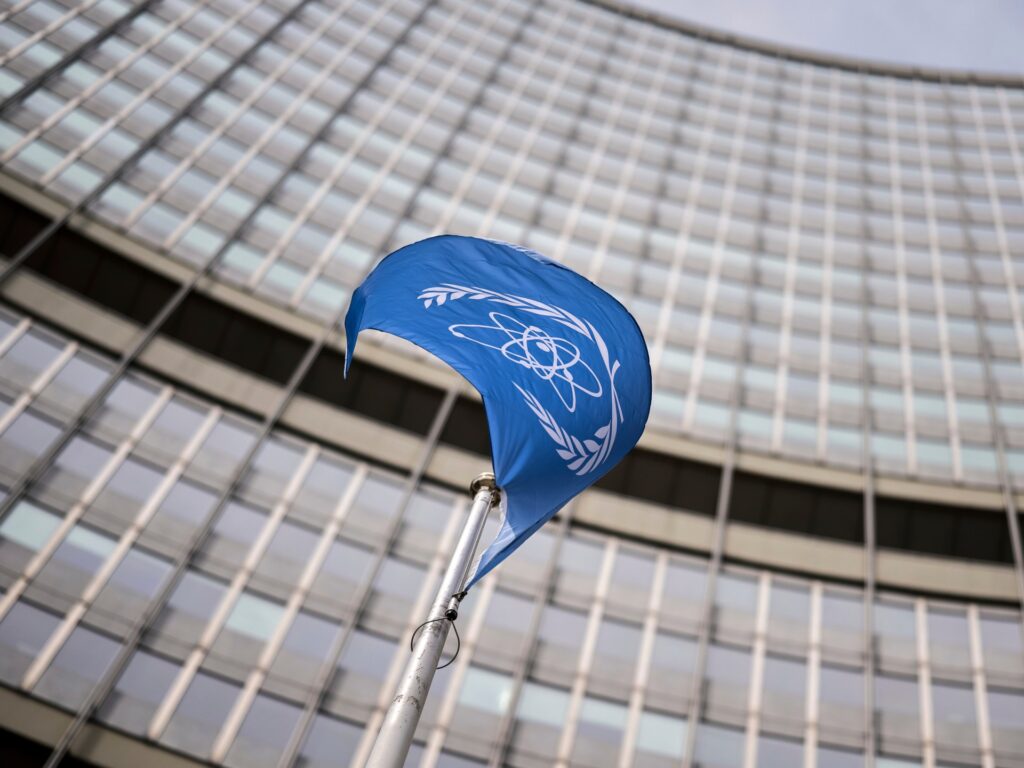
The International Atomic Energy Agency (IAEA) has issued a stern warning regarding Iran’s nuclear activities, emphasizing the need for Tehran to fully cooperate with the agency’s investigations. This warning comes amid increased pressure from Western powers, who are advocating for Iran’s nuclear file to be referred to the United Nations Security Council.
The IAEA’s concerns revolve around Iran’s access to nuclear materials and activities that have raised alarms among the international community. The agency has reported difficulties in gaining adequate access to Iranian nuclear sites and has highlighted discrepancies in Iran’s declarations about its nuclear program.
Western nations, led by the United States and supported by European countries, argue that Iran’s actions undermine the non-proliferation regime and threaten regional and global security. These nations are pushing for a formal referral of Iran’s nuclear dossier to the Security Council, which could result in renewed sanctions and diplomatic measures against Tehran.
Iran, on the other hand, has maintained that its nuclear program is purely for peaceful purposes and has accused the West of political maneuvering to hamper its sovereignty. Tehran insists on its right to develop nuclear technology under the framework of the Non-Proliferation Treaty (NPT), to which it is a signatory.
The situation has escalated tensions between Iran and Western countries, complicating diplomatic efforts to revive the Joint Comprehensive Plan of Action (JCPOA), the 2015 nuclear deal from which the U.S. withdrew in 2018. The IAEA’s call for cooperation underscores the urgency of resolving these issues to prevent further destabilization.
In recent months, the IAEA has documented increased nuclear material enrichment levels in Iran, raising fears about the potential development of nuclear weapons capabilities. The agency’s Director General has stressed the importance of transparent investigations to clarify the nature of Iran’s nuclear activities.
The proposed UN Security Council referral represents a significant escalation in international efforts to address Iran’s nuclear program. It signals a shift from diplomatic engagement to a pressure-based approach, aiming to compel Iran to comply with international nuclear regulations.
Experts warn that while this move may increase pressure on Iran, it also risks further alienating Tehran and reducing the chances of a peaceful diplomatic resolution. The international community faces a delicate balance as it seeks to prevent nuclear proliferation while avoiding conflict.
This latest development highlights the ongoing challenges in managing Iran’s nuclear ambitions and the broader implications for global non-proliferation efforts. The coming weeks are critical as negotiations and international responses unfold, potentially shaping the future of nuclear diplomacy and security in the Middle East.