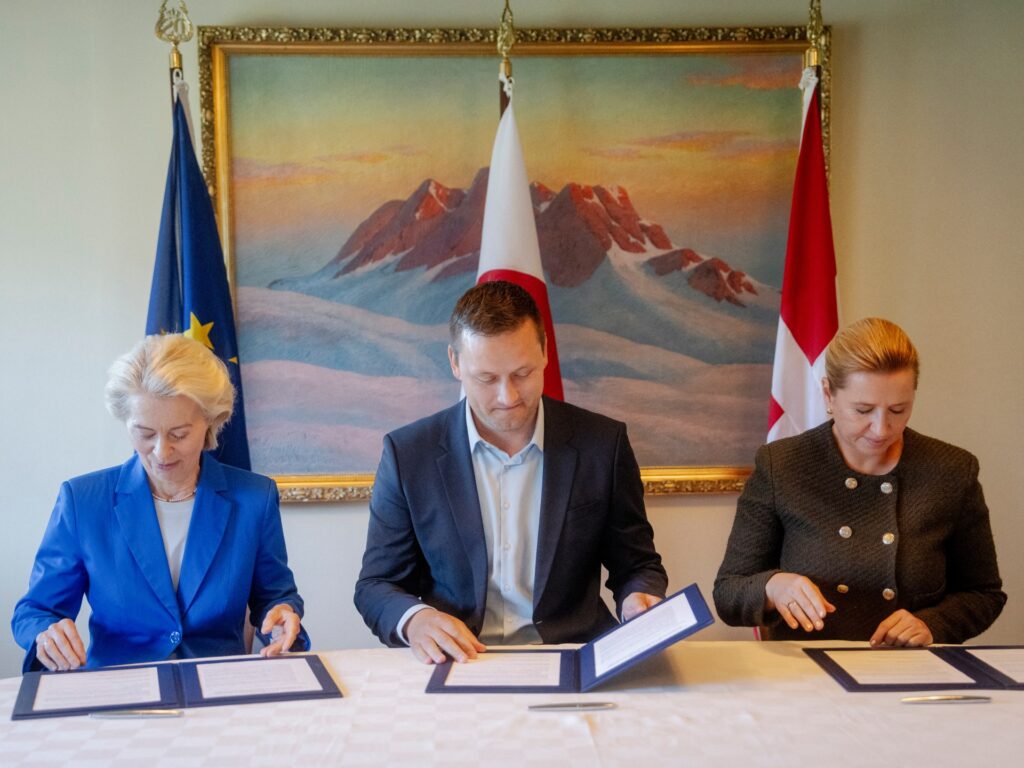
In a significant diplomatic move, the European Union has pledged more than $200 million in aid to Greenland. This announcement comes amidst increasing geopolitical tensions, particularly following threats and strategic interests highlighted by the Trump administration. Brussels aims to double direct EU aid to Greenland under its next budget allocation, signaling a heightened commitment to the Arctic region.
Greenland, a vast island with strategic military and economic importance, has long been a point of interest for global powers due to its location and natural resources. The U.S., during the Trump era, notably expressed keen interest in acquiring Greenland, emphasizing its geopolitical value.
The EU’s decision to increase funding is partly influenced by the recent military exercises that have commenced in the region. These exercises underscore the strategic imperative for heightened defense and cooperation among EU member states and their allies.
The proposed budget increase by the EU aims to foster not only economic development but also stability and security in Greenland. This includes infrastructure projects, environmental protection initiatives, and support for local communities, which face unique challenges due to climate change and isolation.
By doubling aid, the EU seeks to strengthen its influence in Greenland as part of a broader Arctic strategy. This approach addresses the challenges posed by a changing geopolitical landscape where the Arctic is becoming increasingly contested by major powers.
European officials have indicated that this move will enhance collaboration on climate research and sustainable development in the region. Greenland’s melting ice sheets provide critical data for understanding global climate shifts, making the partnership scientifically vital.
The increased funding and military presence also respond to concerns about security threats in the Arctic, where Russia and China have been expanding their activities. The EU’s engagement is part of a collective effort to maintain peace and security as the Arctic gains prominence.
Moreover, the EU’s support aligns with its broader goal of fostering stronger ties with the Kingdom of Denmark, of which Greenland is a part. This initiative will likely serve as a foundation for deeper political and economic relations within the North Atlantic region.
Local Greenlandic leaders have cautiously welcomed the EU’s pledge, emphasizing the need for respectful cooperation that benefits the island’s residents without compromising their autonomy.
In conclusion, the EU’s commitment of over $200 million to Greenland marks a pivotal development in Arctic diplomacy and strategy. It reflects the complexities of global power dynamics and the EU’s determination to play a proactive role in securing its interests while promoting sustainable development and stability in the Arctic region.