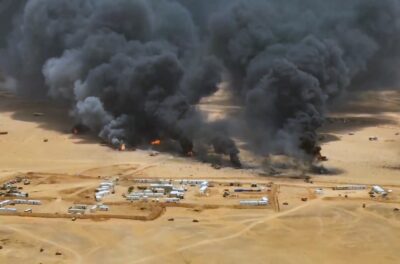
In the ongoing conflict involving Iran, concerns have escalated significantly, with Qatar issuing a stark warning about the potential for an ‘industrial catastrophe’ if the crisis persists. The warning comes at a critical juncture as recent data indicates a notable decline in maritime traffic through the strategically vital Strait of Hormuz.
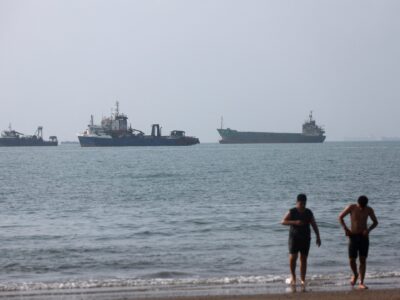
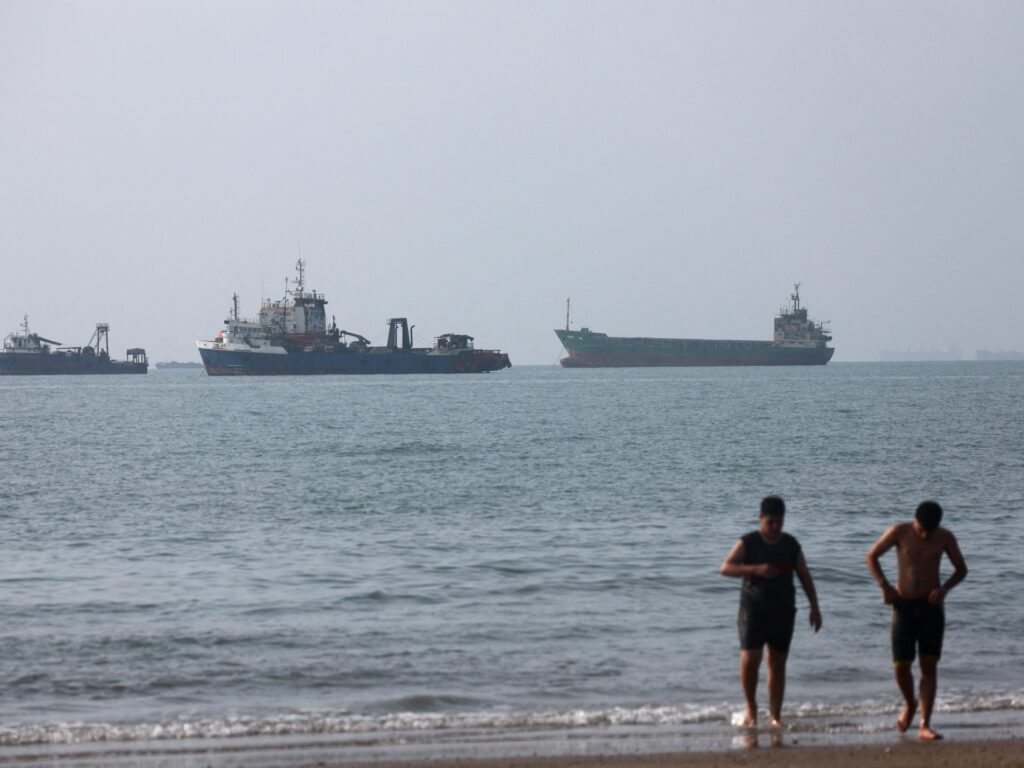
The Strait of Hormuz is a crucial chokepoint for global oil shipments, with a significant portion of the world’s petroleum passing through this narrow waterway. However, according to Kpler data, the average number of ships transiting the Strait over the past ten days has dropped to 10 ships per day, marking the lowest level since May. This decline underscores growing apprehensions about the security and stability of maritime routes in the region amid escalating tensions.
Qatar’s admonition highlights the potential industrial fallout that could result from prolonged instability. The term ‘industrial catastrophe’ alludes to the disruption of global oil supplies and the knock-on effects it could have on industries worldwide, given the Gulf’s key role in energy exports.
The decrease in shipping activity can be attributed to multiple factors, including heightened geopolitical risks and potential threats to maritime safety. Operators may be rerouting ships to avoid the strait, contributing to delays and increased costs for global supply chains.
This situation compounds the existing challenges faced by the international community navigating the complex dynamics of Iran’s conflict, which continues to draw regional and global attention. The strategic importance of the Strait of Hormuz means that any disruption has far-reaching implications beyond the immediate area, potentially affecting energy prices and international trade flows.
Experts warn that continued tensions without resolution could exacerbate economic instability and trigger more severe repercussions for the global industrial landscape. The call from Qatar serves as a critical reminder of the interconnected nature of geopolitical conflicts and economic stability.
In summary, Qatar’s warning and the drop in maritime traffic through the Strait of Hormuz are clear indicators of escalating risks. Immediate diplomatic efforts and conflict resolution initiatives are essential to prevent an industrial catastrophe and ensure the continued flow of vital goods through one of the world’s most important maritime corridors.