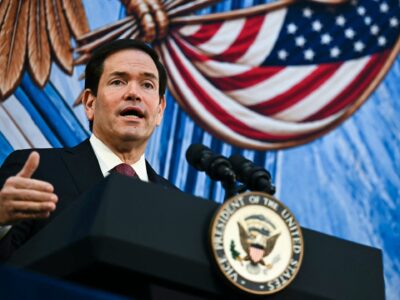
Senator Marco Rubio is embarking on a diplomatic trip to Ecuador, Colombia, and Peru amid a significant rightward political shift across Latin America. This regional shift towards right-wing governance aligns with Washington’s renewed commitment to expanding its influence in the Western Hemisphere.
In recent elections, several Latin American countries have experienced a conservative resurgence, prompting the United States to recalibrate its foreign policy approach in the region. Rubio’s visit underscores this strategic pivot, as Washington aims to strengthen alliances with governments that share a more hardline stance on issues such as security and economic policy.
A major component of this new approach involves adopting a more militaristic strategy to combat violent drug cartels that have long destabilized Latin American societies. The Biden administration, following Rubio’s lead, is focusing on more robust security cooperation, intelligence sharing, and potentially increased military aid to partner nations.
Ecuador, Colombia, and Peru are at the heart of this transformation. Each country has recently elected or empowered right-leaning administrations keen on tackling entrenched challenges like corruption, economic instability, and widespread narcotrafficking. Rubio’s engagement with these nations is intended to bolster their governance capacities while also reassuring U.S. stakeholders of continued stability and partnership.
Colombia, historically a key U.S. ally in regional security matters, has reasserted a conservative governance model that prioritizes law and order, and it has welcomed increased American support against drug trafficking. Ecuador and Peru have similarly shifted towards governments advocating tougher policies on crime and economic reform.
Rubio’s diplomatic mission seeks not only to solidify these emerging alliances but also to showcase a united front that counters the influence of rival powers, notably China and Russia, who have been actively courting the region with economic and strategic incentives. The U.S. aims to regain ground lost in previous years by promoting democratic values aligned with its interests.
This rightwards political trend and the U.S. response reflect broader global shifts where national security concerns, economic competition, and ideological divides shape alliances and foreign policies. In the case of Latin America, years of perceived left-wing mismanagement and corruption have fueled voter disappointment and created openings for conservative leaders promising change.
Rubio’s tour will include meetings with key political leaders, security officials, and civil society representatives to discuss collaborative initiatives on combating narcotics, enhancing economic cooperation, and strengthening democratic institutions.
While critics worry about a potential rise in authoritarian tendencies with the right-wing wave, proponents argue that this shift could bring much-needed stability and growth to a region long beset by challenges. The U.S. administration maintains that its increased military and diplomatic engagement is essential for creating safer communities and promoting shared prosperity.
As Senator Rubio navigates these complex political landscapes, the outcomes of his trip will likely shape the trajectory of U.S.-Latin American relations for years to come. The coming months will reveal whether this rightward momentum translates into sustained governance reforms and improved security conditions, or if it triggers new tensions and conflicts in a region critical to America’s strategic interests.