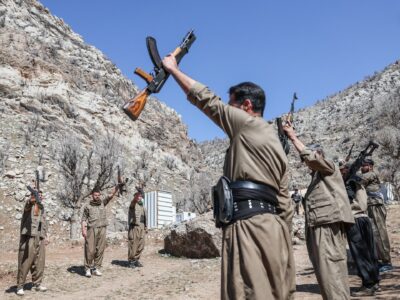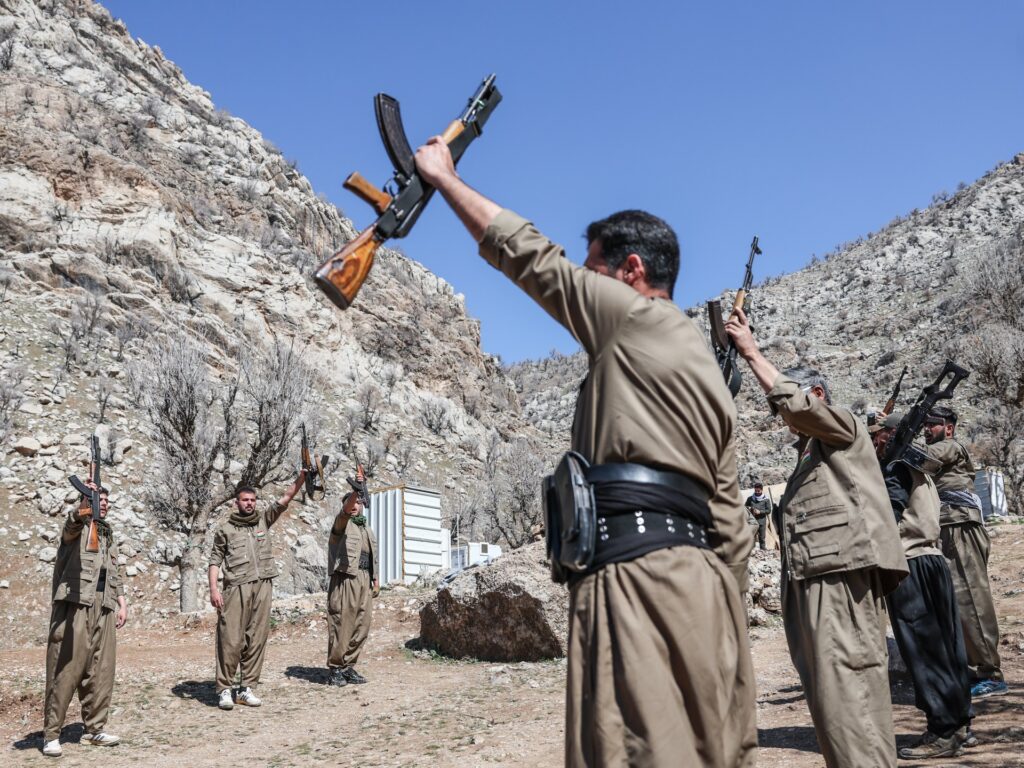
Iran is increasingly grappling with a significant domestic security challenge as ethnic armed groups within its borders receive external support. Experts and state officials have raised alarms about this escalating threat, which has the potential to destabilize the country’s internal security landscape.
The ethnic armed groups in Iran represent diverse communities that have longstanding grievances related to political representation, cultural rights, and socioeconomic conditions. This discontent occasionally manifests in organized armed resistance against the state, exacerbating tensions between these groups and the Iranian government.
External support to these groups has been reported from various international actors. These backers provide funding, weapons, training, and strategic guidance, which embolden the groups and enable them to sustain prolonged campaigns of resistance. The involvement of foreign powers complicates Iran’s internal security dynamics and adds an international dimension to what was previously a largely domestic issue.
Iranian authorities have expressed deep concern about this emerging reality. Officials argue that the external backing not only fuels militancy within the country but also undermines Iran’s sovereignty and hampers efforts for peaceful resolution.
Experts note that the nature of the threat is multi-faceted. On the one hand, the armed groups challenge the state’s control over certain regions, leading to sporadic violence and insecurity. On the other hand, the external support serves as a geopolitical tool through which rival states seek to exert influence over Iran.
The regions most affected by this armed threat include border provinces where ethnic minorities are concentrated. These areas have witnessed episodic clashes and armed skirmishes, causing disruption to local populations and prompting security crackdowns by Iranian forces.
In response, Iran has adopted a range of countermeasures. Security forces have intensified operations aimed at dismantling armed networks, intercepting weapon flows, and curbing the financing channels that sustain these groups. Additionally, efforts are underway to enhance surveillance and intelligence capabilities to pre-empt militant activities.
Diplomatic measures are also part of Iran’s approach. The Iranian government has engaged in dialogues with neighboring countries to address cross-border security issues and to prevent the spillover of militant support.
Despite these efforts, the situation remains precarious. The underlying ethnic grievances that drive recruitment into armed groups persist, suggesting that a sustainable solution requires addressing these political and social dimensions.
Political analysts emphasize the importance of comprehensive policy reforms that promote inclusion, protect minority rights, and foster economic development in marginalized regions. They argue that without addressing root causes, military responses alone will not quell the long-term threat posed by armed ethnic groups.
The international community’s role is also critical. Arms control initiatives and diplomatic pressure on states that support militancy within Iran could help reduce external interference and alleviate tensions.
In summary, the domestic armed threat facing Iran is a complex challenge shaped by ethnic discontent, external interference, and geopolitical rivalries. Iran’s response has been multi-pronged, combining military action, intelligence operations, and diplomatic engagement. However, the persistence of underlying grievances underscores the need for inclusive political solutions to secure lasting stability.
As the situation develops, continuous monitoring and a balanced approach addressing both security and political issues will be crucial in mitigating this threat and promoting peace within Iran’s diverse society.