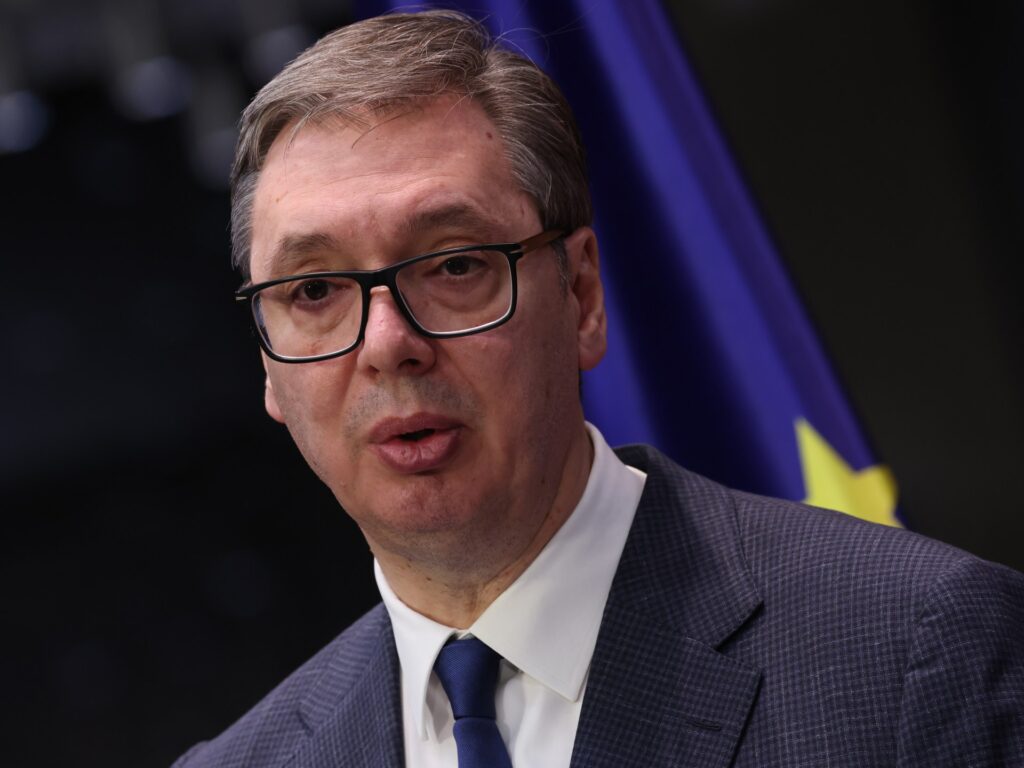
The Serbian government has announced a snap vote aimed at dissolving the parliament, signaling a significant political maneuver in the wake of months of mass street protests. The move is widely interpreted as an effort to consolidate the power of President Aleksandar Vucic, who has faced growing opposition and public discontent.
In recent months, Serbia has experienced a surge of demonstrations, with citizens rallying against government policies, economic concerns, and perceived authoritarian tendencies. The street protests have highlighted divisions within the country and challenged the stability of Vucic’s administration.
The call for a snap election suggests the government’s strategy to secure a stronger parliamentary majority, which could facilitate tighter control over the legislative process and reduce the influence of opposition parties. Political analysts see this election as a critical juncture for Serbia’s democracy and its future political trajectory.
President Vucic, who has been a dominant figure in Serbian politics, appears poised to leverage the election to reinforce his mandate. His supporters argue that a stable government is necessary to navigate Serbia through challenging regional and international issues. Critics, however, warn that this consolidation of power could undermine democratic institutions and marginalize dissenting voices.
The context of the mass protests cannot be overlooked, as they reflect a significant portion of the population’s dissatisfaction with the current leadership and governance style. The snap vote could either quell the unrest by offering a renewed political mandate or exacerbate tensions if perceived as an undemocratic power grab.
International observers and domestic stakeholders will closely monitor the upcoming election for fairness, transparency, and adherence to democratic norms. The outcome will likely have a profound impact on Serbia’s political landscape, civil society, and its relations with neighboring countries and the European Union.
As the country prepares for this pivotal election, the Serbian government’s move to dissolve parliament and hold a snap vote marks a decisive moment in its ongoing political saga. Whether this strategy strengthens President Vucic’s rule or ignites further political instability remains to be seen, but the stakes are undeniably high for Serbia’s democratic future.