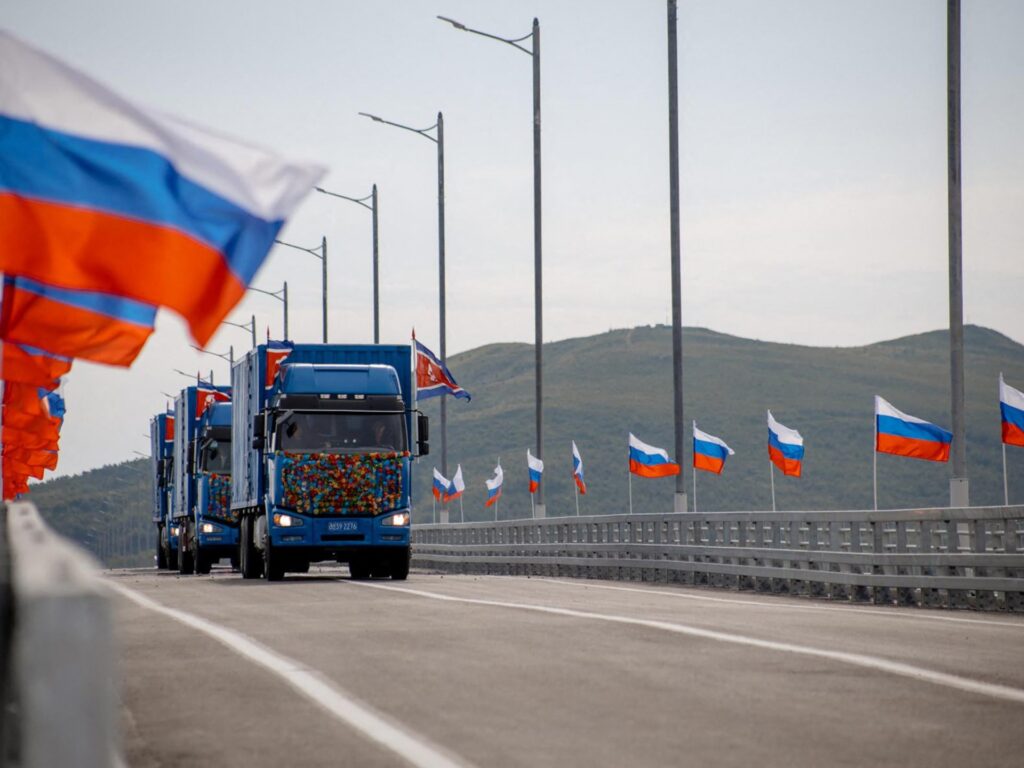
In recent developments highlighting the strengthening diplomatic and economic relations between Russia and North Korea, a symbolic road bridge has been completed, marking a new chapter in ties between Moscow and Pyongyang. This event comes as both nations have expanded their cooperation extensively, particularly in the wake of Russia’s ongoing invasion of Ukraine.
The construction of the road bridge is not merely an infrastructure achievement but a powerful symbol of solidarity and increasing collaboration between the two countries. For years, Russia and North Korea have maintained diplomatic relations, but recent geopolitical shifts and mutual interests have significantly deepened their partnership.
This collaboration comes at a critical time when Russia faces international sanctions and diplomatic isolation due to its military actions in Ukraine. North Korea, too, has felt the effects of global scrutiny and sanctions due to its nuclear program and isolationist policies. In this context, the bridge represents an avenue for enhanced trade, military cooperation, and strategic alliances.
Officials from both governments have described the bridge as a conduit for stronger bilateral relations that could extend into economic ventures, greater political coordination, and mutual support against Western pressures. The infrastructure will facilitate easier transportation of goods and personnel, symbolizing a route to increased connectivity and shared interests.
Experts suggest that the Russia-North Korea partnership symbolizes a significant pivot in regional geopolitics. As these two countries unite, they challenge the existing order and present a united front against the influence of Western nations. The symbolic road bridge embodies this shift, serving as a physical and metaphorical link between Moscow and Pyongyang.
The ties nurtured between these countries include expanded military collaboration, intelligence sharing, and economic support. Russia’s need for strategic allies amid the Russia-Ukraine conflict has driven it closer to North Korea, which may benefit from increased access to Russian technology and resources.
Despite international condemnation, the two nations continue to navigate a complex landscape that defies global norms and sanctions. The road bridge project has been met with caution by various countries, concerned about the implications for regional security and stability.
The economic implications for North Korea are noteworthy. With improved infrastructure connecting it more directly to Russia, North Korea could enhance its export and import capabilities, potentially easing some effects of sanctions. For Russia, the partnership provides an alternative route for resources and influence in Northeast Asia.
The completion of the bridge highlights Moscow’s strategic interest in solidifying partnerships beyond its traditional Western and European allies. This initiative is viewed as part of Russia’s broader strategy to engage with Asian neighbors and forge a new network of alliances amid its strained relations with the West.
In summary, the road bridge between Russia and North Korea signifies much more than a physical link. It embodies a strategic alignment between two nations facing international challenges and sanctions. This bold move underscores a pattern of deepening ties, offering mutual benefits and posing questions about the realignment of geopolitical forces in the region. As the bridge opens, Beijing, Seoul, Washington, and others will be closely watching the developments and their potential ripple effects on security and diplomacy in Northeast Asia.