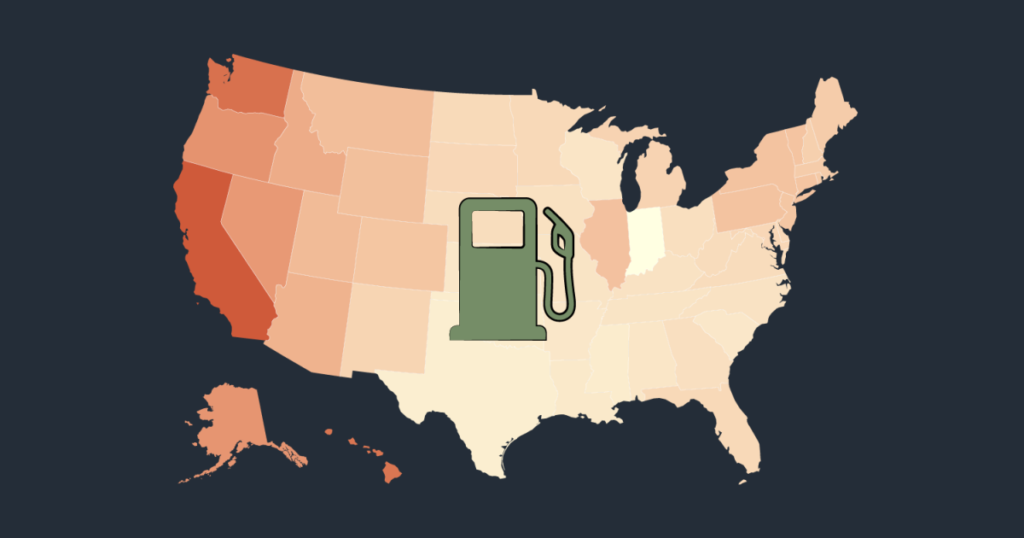
The ongoing conflict involving the US and Israel against Iran has resulted in a significant surge in fuel prices, directly affecting American households. Over the past six months, the average US household has spent an additional $763 on fuel alone. This unprecedented rise in fuel expenditure collectively amounts to around $100 billion across the country.
Fuel prices are a critical component of daily living expenses, influencing transportation, heating, and the cost of goods and services. The geopolitical tension in the Middle East, particularly surrounding Iran, has disrupted oil supplies and triggered volatility in the global energy market. This disruption has reverberated through the US economy, leading to increased costs at the pump.
The increased fuel costs have burdened many American families, forcing them to reallocate budgets and cut back on discretionary spending. The rise of $763 per household over half a year translates to roughly $127 extra per month, a significant strain given other inflationary pressures in the economy.
Experts warn that if the conflict in the Middle East escalates or prolongs, fuel prices could continue to rise, exacerbating the financial strain on consumers. The US government and energy agencies are monitoring the situation closely and exploring measures to stabilize the fuel market, including releasing reserves and encouraging alternative energy sources.
Despite efforts to manage the economic impact, the intersection of geopolitics and energy policy underscores the vulnerability of the US economy to global events. The additional $100 billion spent on fuel not only reflects increased costs for consumers but also signals broader challenges in energy security and economic stability.
In summary, the US-Israel conflict with Iran has had a profound effect on fuel prices in the United States, leading to an extraordinary increase in household fuel expenses. This situation highlights the complex ties between international conflicts and domestic economic well-being, emphasizing the need for strategic energy policies and diplomatic solutions to mitigate such impacts in the future.