In a significant escalation of regional tensions, Iran is set to announce a new strategic initiative involving the Hormuz route, amid ongoing conflict and military actions in the Middle East. This move comes at a time when the geopolitical climate is highly volatile, with several nations involved in a complex web of disputes and hostilities.
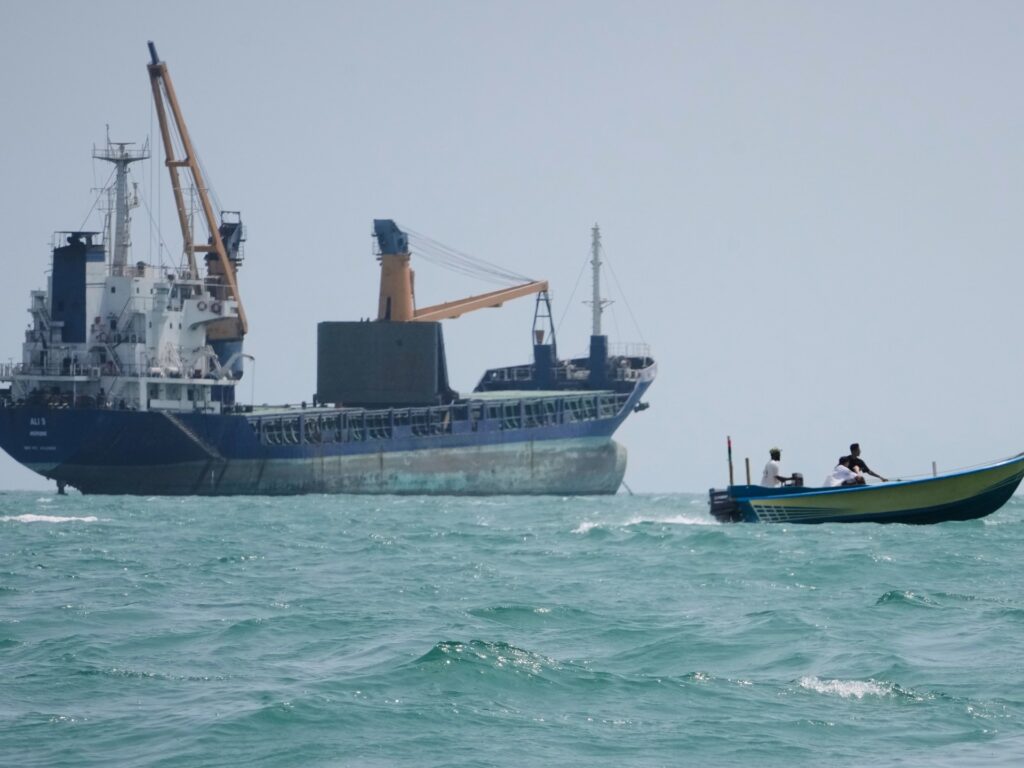
The Hormuz route, a critical maritime passage in the Persian Gulf, is strategic for global oil shipments, making the announcement from Tehran a critical development that could impact international energy markets and security dynamics.
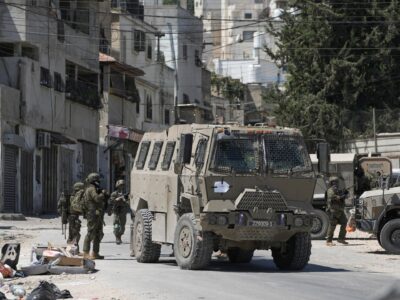
Simultaneously, Israel has reportedly conducted military operations in Lebanon, resulting in the death of 11 individuals. This action is considered part of Israel’s broader strategy to counter perceived threats from militant groups operating within Lebanon’s borders. The strikes further complicate the already tense relationship between Israel and Lebanon, potentially escalating the conflict in the region.
The background of these events includes recent US military strikes on Iranian oil tankers, which Tehran has strongly condemned. Iran’s top negotiator has issued stern warnings of heavier responses to any new attacks, signaling a potential for further military engagements. These declarations underscore the fragile nature of peace efforts and diplomatic negotiations currently underway.
The announcement regarding the Hormuz route is expected to outline Iran’s plans to secure and possibly exert greater control over this vital chokepoint. Given the route’s importance for the global oil supply, such developments are closely monitored by international stakeholders, including energy companies and governments reliant on stable energy exports.
The Israeli strikes in Lebanon are perceived as part of a preemptive or retaliatory strategy, aiming to diminish threats posed by armed factions. However, these actions risk drawing Lebanon deeper into the conflict and may provoke retaliatory measures, raising concerns about a broader confrontation in the region.
Amid these developments, several international actors urge restraint and call for renewed diplomatic efforts to de-escalate tensions. The United Nations and various countries have expressed apprehension about the potential for the conflict to spread, emphasizing the need for dialogue and peaceful resolution.
Experts highlight that the situation remains highly fluid, with the possibility of rapid changes depending on the actions of key players, including Iran, Israel, the United States, and their respective allies. The combination of military actions and diplomatic warnings creates a precarious balance that could either lead to further confrontation or open avenues for negotiation.
The ongoing conflict and strategic maneuvers in the Middle East underscore the region’s complex and interconnected security challenges. Stakeholders worldwide continue to monitor the situation closely, aware that disruptions in the Hormuz route or escalations in Lebanon could have far-reaching consequences for regional stability and the global economy.
As events unfold, the international community remains vigilant, hoping for a de-escalation and a return to dialogue that prioritizes peace and security over conflict. The coming days and weeks will be critical in determining the trajectory of the Middle East’s geopolitical landscape.