The geopolitical landscape of the Middle East is witnessing intensifying tensions as Tehran plans to announce a strategic move involving the Hormuz route, while Israel conducts deadly strikes in Lebanon, resulting in 11 fatalities. This latest development follows a series of escalations triggered by U.S. military actions against Iranian oil tankers, prompting stern warnings from Iran’s top negotiator.
The Strait of Hormuz, a vital waterway for global oil shipments, holds strategic significance and has been a hotspot for military and political confrontations. Tehran’s decision to announce a new policy or operational route regarding Hormuz signals a critical juncture in the ongoing regional conflict. Official details about the announcement remain closely guarded, but analysts anticipate it could involve new shipping protocols or enhanced military presence intended to assert control or safeguard Iranian interests.
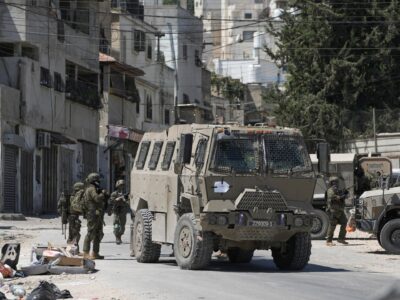
In parallel, Israel’s military operations in Lebanon have resulted in the deaths of 11 individuals, marking a severe escalation with potential repercussions for regional stability. Israeli sources have cited security threats and retaliatory justifications for the strikes, which come at a time of heightened alertness along the Lebanese-Israeli border.
Iran’s chief negotiator has issued a dire warning suggesting that Iran will respond with greater force to any further attacks, following recent strikes on Iranian oil tankers reportedly linked to the United States. These tankers are crucial for Iran’s oil exports, and their targeting has been met with condemnation and calls for defense escalation by Tehran.
This chain of events underscores the fragile balance of power in the Middle East, as global powers observe with concern. The potential for a broader conflict is rising, particularly as allied factions align themselves with either Israel or Iran. The United States, involved directly through its actions and indirectly through alliances, remains a key player in the unfolding situation.
Experts caution that any miscalculations could rapidly spiral into wider military confrontations across the region, affecting not only Middle Eastern countries but also global economic stability, given the importance of oil trade routes like Hormuz.
Diplomatic channels are reportedly active behind the scenes, with efforts aimed at de-escalation to prevent further loss of life and economic disruption. However, the rhetoric from Iran indicates a hardened stance, complicating peace efforts.
The international community is closely monitoring these developments, urging restraint and dialogue. The coming days will be critical in determining whether the region can avoid a full-scale conflict or if the cycle of attacks and counterattacks will continue to escalate.
This ongoing crisis highlights the complexities of Middle Eastern geopolitics, where historical grievances, national security concerns, and global strategic interests collide, creating a volatile environment with far-reaching consequences.