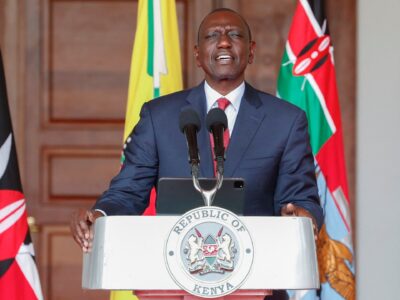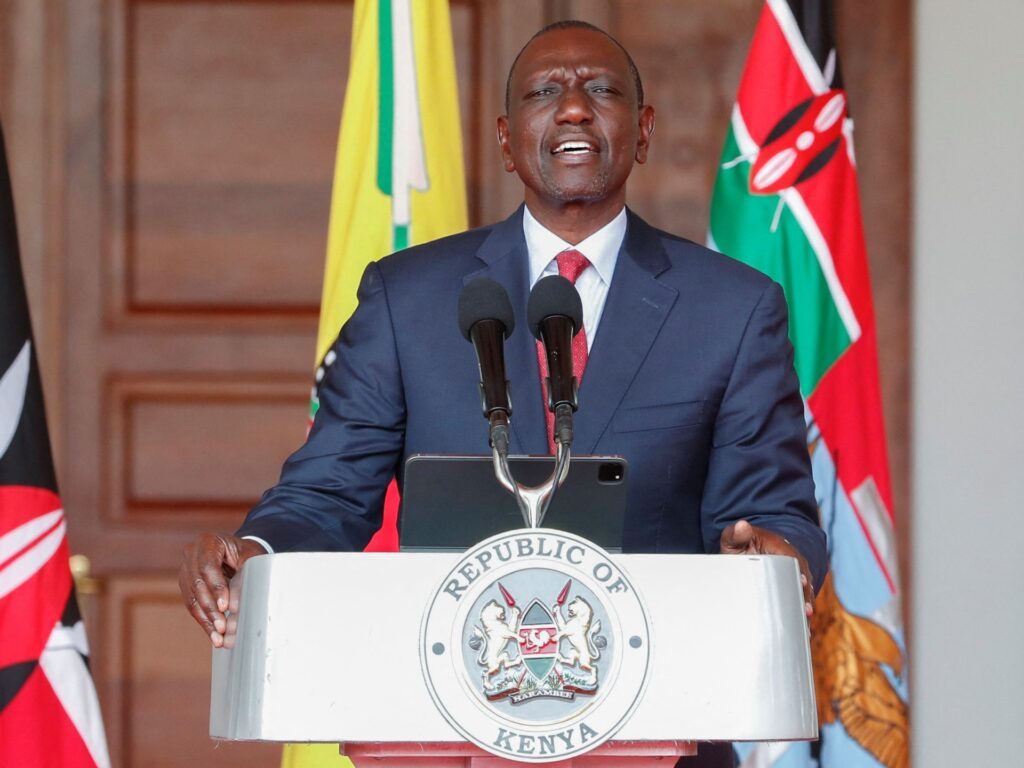
Kenya has recently intensified measures against foreign traders and small retailers, a move strongly endorsed by President William Ruto. The government’s stance advocates for reserving small business opportunities exclusively for Kenyan citizens, addressing growing concerns about economic competition and the welfare of local entrepreneurs.
President Ruto’s directive is part of a broader plan to revitalize the Kenyan economy by prioritizing homegrown businesses. This policy aims to ensure that small-scale retail and trading sectors thrive under Kenyan ownership, thereby boosting local employment and income generation.
According to the government, the influx of foreign traders has led to stiff competition for Kenyan small business owners, often affecting their profitability and sustainability. By focusing on Kenyan traders, the policy intends to empower citizens economically and reduce the dependency on foreign traders for goods and services at the grassroots level.
The crackdown includes increased monitoring of foreign traders operating in local markets, stricter enforcement of existing business regulations, and the introduction of new legislative measures encouraging Kenyan participation in retail businesses.
Critics, however, express concerns about potential protectionism and the risk of disrupting regional trade dynamics. They argue that such policies could invite retaliatory measures from neighboring countries and reduce market diversity for consumers.
Despite the criticisms, the government maintains that the priority is economic empowerment and equitable growth for Kenyans. The move aligns with national development plans that emphasize local industry stimulation and job creation.
Local small business owners have largely welcomed the crackdown, expressing hope that it will create a more level playing field. Many have faced intense pressure from foreign traders, often with more capital and broader networks, which made it challenging for them to compete.
The government has pledged to support local entrepreneurs through training programs, access to credit facilities, and infrastructural improvements to enhance business operations.
This policy shift is expected to have significant implications for Kenya’s commercial landscape, potentially reshaping market dynamics and fostering stronger local business ecosystems.
In summary, Kenya’s crackdown on foreign traders and small retailers reflects a strategic move to protect and promote indigenous businesses. By reserving small business opportunities for Kenyans, the government under President Ruto aims to create a more inclusive and prosperous economy that benefits its citizens first and foremost.