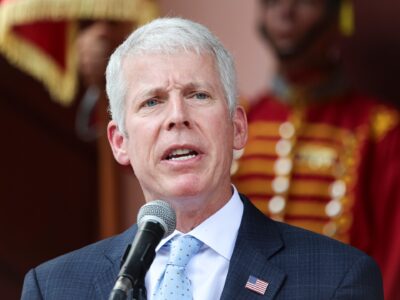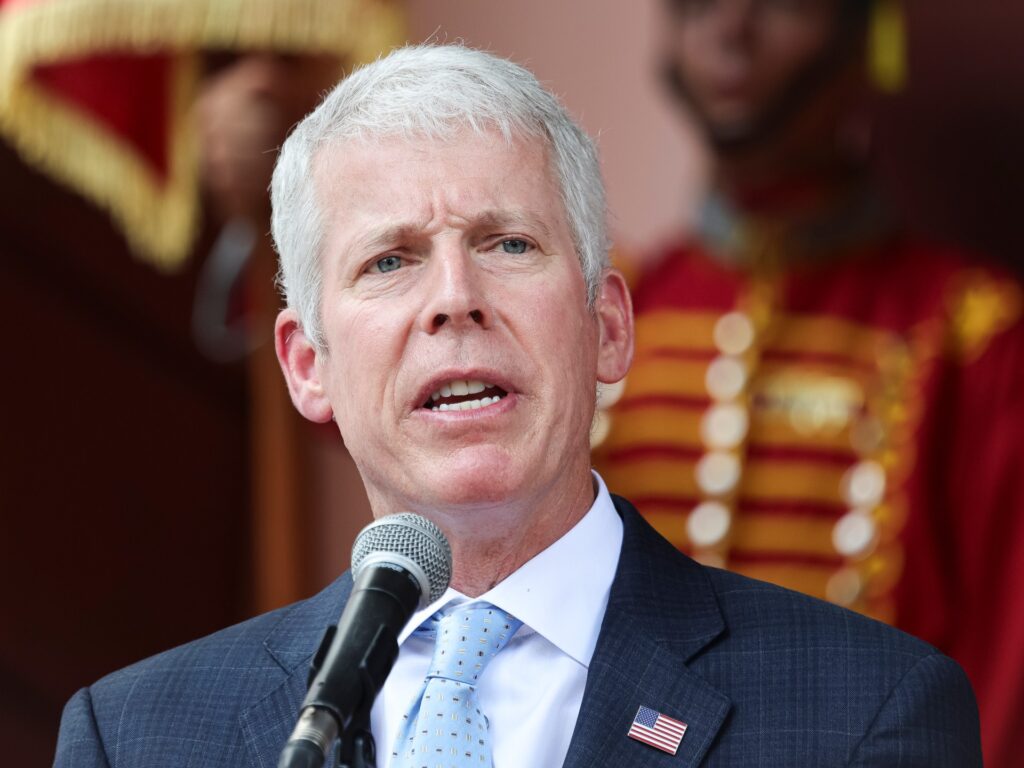
In a recent development that could reshape the trajectory of international diplomacy, US Energy Secretary Chris Wright made comments suggesting that the United States may be losing hope for a nuclear agreement with Iran. Wright’s remarks have raised concerns among diplomats and analysts, pointing toward a potential stall or collapse of ongoing nuclear negotiations.
The comments came amid a backdrop of complicated and protracted talks aimed at reviving the Joint Comprehensive Plan of Action (JCPOA), the nuclear deal originally established in 2015 between Iran and six world powers, including the United States. The deal sought to limit Iran’s nuclear capabilities in exchange for sanctions relief, aiming to prevent Iran from developing nuclear weapons.
However, since the US withdrew from the agreement in 2018 under the Trump administration, efforts to bring all parties back into compliance have faced numerous hurdles. Wright’s statement that “there may not be a nuclear agreement” hints at the growing pessimism within the US government regarding the feasibility of a successful deal in the near future.
This development follows several rounds of stalled talks in Vienna and increased sanctions and pressures on Iran, which has in turn escalated its uranium enrichment activities beyond limits set by the JCPOA. The US position, reflected by Wright’s somber tone, suggests that Washington might be preparing for alternative strategies to curb Iran’s nuclear ambitions.
International stakeholders, including European allies, have expressed disappointment but continue to advocate for diplomatic solutions. They emphasize that while negotiations are difficult, a diplomatic solution remains crucial to maintaining regional and global security.
Iran, on its part, has maintained that its nuclear program is for peaceful purposes, but its recent activities have drawn widespread scrutiny and concern from the international community.
Wright’s comments may also influence the geopolitical dynamics of the Middle East, where tensions are already high. Countries in the region are closely monitoring the situation, understanding that a failure to reach a nuclear deal could increase the risk of conflict and further destabilize an already volatile area.
The implications of a failed nuclear agreement are significant. Without a diplomatic framework, there could be increased proliferation risks, a potential arms race in the Middle East, and diminished prospects for global non-proliferation efforts.
As talks continue to flicker between hope and disappointment, the international community remains watchful. The US Energy Secretary’s remarks could be a turning point, signaling a shift in US strategy from negotiation to containment or other measures.
This scenario presents policymakers with difficult choices about how to best address Iran’s nuclear program while balancing the interests of regional allies, global stability, and non-proliferation goals.
While it remains uncertain if all diplomatic avenues have been exhausted, Chris Wright’s candid acknowledgment underscores the fragile state of the nuclear deal negotiations and the high stakes involved.
Moving forward, the world will be closely watching any new developments, hoping for a breakthrough that can reinstate a way forward or preparing for alternative outcomes that may reshape international relations in the coming years.