Tensions between Iran and the United States have sharply escalated following a recent US strike on Iranian tankers operating within a blockade zone. Tehran has declared that the era of proportionate retaliation is over and is now hinting at a stronger military response. This development marks a significant intensification in the ongoing geopolitical conflict in the region.
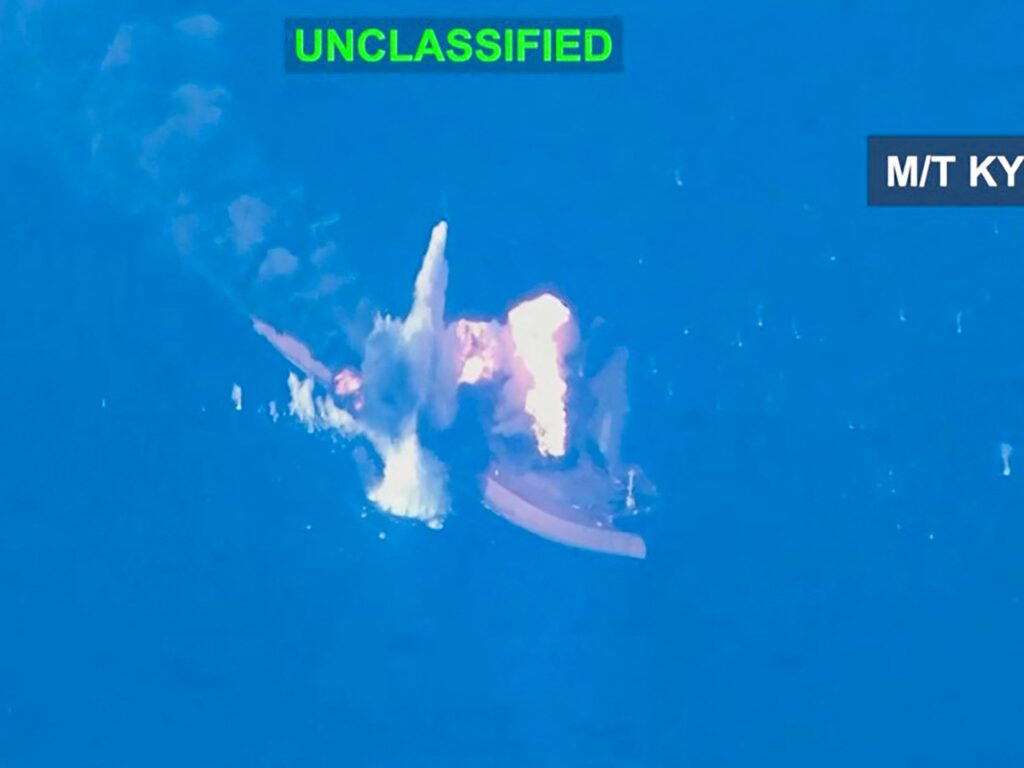
The incident began when US forces carried out attacks against multiple Iranian tankers, which they identified as operating illegally within a maritime blockade established by the US. Washington has maintained strict restrictions on shipping routes to curb Iran’s access to international waters and limit its economic activities, particularly its oil exports.
Iranian officials have condemned the strikes as unlawful acts of aggression and have vowed to respond decisively. Tehran’s announcement signals a shift from measured diplomatic or retaliatory actions to potentially more direct military engagement, raising concerns about further escalation.
The blockade itself has been a point of contention, with the US asserting it is necessary to enforce sanctions on Iran and prevent the proliferation of weapons. However, Iran deems these measures as violations of international law and threats to its sovereignty and economic stability.
In the wake of the US attacks, Iranian military leaders are reportedly increasing their readiness and positioning forces strategically to counter any additional aggression. There are fears that these moves could lead to clashes in critical waterways, such as the Strait of Hormuz, a vital conduit for global oil shipments.
The international community has expressed alarm at the rising tensions. Many countries urge restraint and call for diplomatic solutions to prevent a broader conflict that could disrupt global energy supplies and destabilize the Middle East further.
Analysts suggest that Iran’s warning about ending proportionate responses indicates a readiness for asymmetric warfare tactics, possibly involving the use of proxy groups or cyber operations against US interests in the region.
Meanwhile, US officials reiterate their commitment to maintaining the blockade and protecting navigation freedom, emphasizing that actions taken are in response to illicit activities by Iran. The situation remains highly fluid, with the potential for rapid developments.
This confrontation underscores the fragile security environment in the Persian Gulf and the complexities of managing regional rivalries. Both sides face international scrutiny and pressure to avoid a full-scale military conflict, but the resolve shown by Tehran suggests that any future exchanges could be more severe and direct.
As events unfold, the global community watches closely, recognizing that stability in this region is crucial not only for Middle Eastern countries but for the international economy and security architectures worldwide.