In a dramatic turn of natural events, Mount Anak Krakatau’s recent eruption has forced the suspension of hundreds of flights at Indonesia’s main airport. The volcanic ash spewed into the atmosphere poses significant risks to air travel, leading authorities to halt operations for safety reasons.
Anak Krakatau, an active volcanic island located in the Sunda Strait between Java and Sumatra, has been closely monitored due to its history of explosive eruptions. The latest activity has intensified concerns about the safety of flights in the region, as volcanic ash can severely damage aircraft engines and compromise visibility.
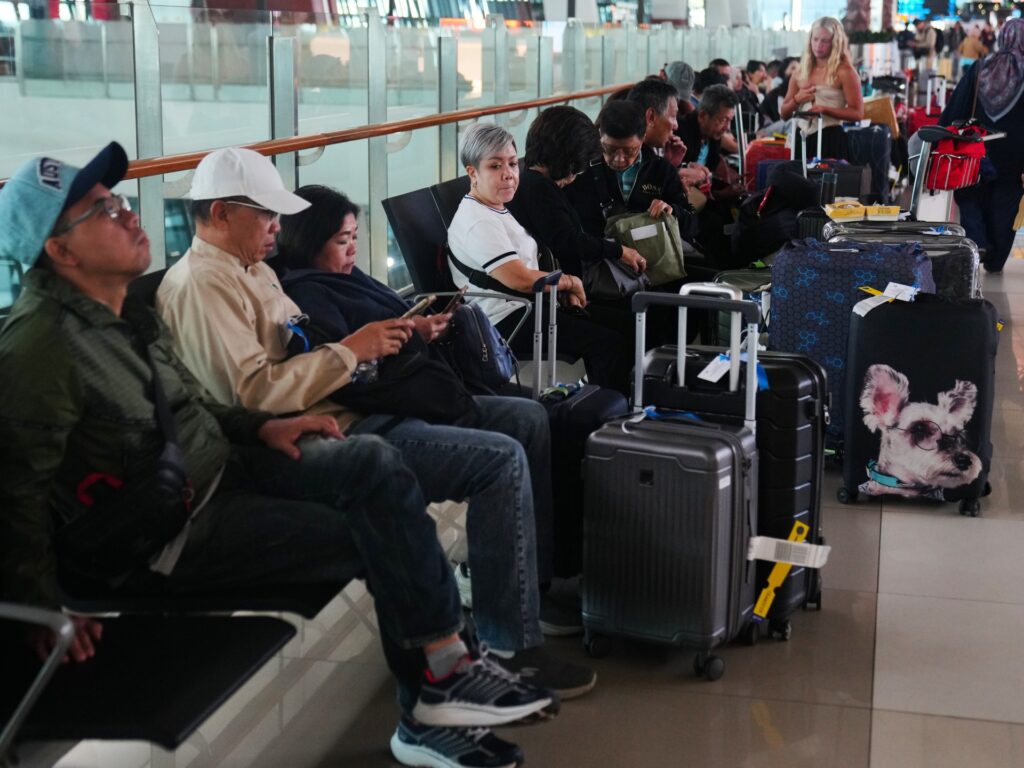
The airport affected, serving as a critical hub for both domestic and international flights, has experienced a surge in cancellations and delays. Passengers have been advised to stay updated on their flight statuses and prepare for possible extended delays as aviation and volcanic experts work to assess the evolving situation.
Volcanologists continue to track the eruption and ash dispersion patterns using satellite imagery and ground reports. Their findings are crucial in providing timely advisories to the aviation sector and minimizing disruption.
Government officials have activated emergency response teams to support affected travelers and manage the response to this natural crisis. Alternative routes and rescheduling are being coordinated to reduce inconvenience.
The Anak Krakatau eruption serves as a stark reminder of Indonesia’s vulnerability to volcanic activity, given its location on the Pacific Ring of Fire. The eruption’s impact on air travel highlights the ongoing challenges of balancing safety with the demands of a busy transportation network.
Authorities emphasize the importance of vigilance and readiness, urging the public to heed official warnings and stay informed through trusted sources. The situation remains fluid, with continuous updates expected in the coming hours.
As the region braces for potential further activity, experts remind that volcanic eruptions are unpredictable, and preparedness is key to mitigating risks associated with such natural disasters.
In conclusion, the Anak Krakatau eruption significantly disrupts Indonesia’s air travel, prompting widespread flight suspensions and ongoing monitoring efforts. The incident underscores the critical need for coordinated responses to natural hazards, especially in regions prone to volcanic activity.