South Africa is known globally for its rich deposits of chrome, a valuable metal crucial in stainless steel production and various industrial applications. However, beneath the surface of this lucrative resource lies a dangerous and shadowy underground economy that has deadly consequences for many involved.
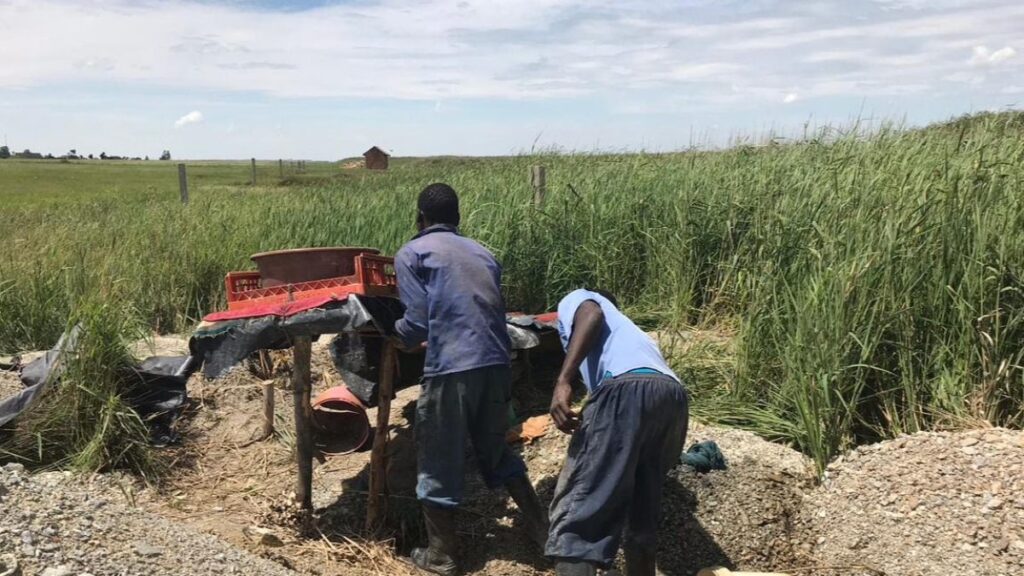
The country’s chrome mining sector officially generates significant revenue and employment. Yet, alongside the formal industry, a vast informal economy thrives. This underground market primarily entails illegal mining operations, where migrants and unemployed workers risk their lives in hazardous conditions for little pay.
Many migrants from neighboring countries flock to South Africa, drawn by the promise of work in the chrome-rich regions, despite the lack of formal job opportunities. These individuals often fall prey to illegal mining syndicates, which exploit their desperation by forcing them to work in unsafe, unregulated mines.
The conditions in these illicit mining sites are perilous. Workers face risks of collapses, toxic exposure, and violence. Safety standards are non-existent, and emergency responses are often absent. Such environments have led to numerous fatalities and severe injuries, painting a grim picture of the human cost behind the nation’s chrome wealth.
Illegal chrome mining also fuels corruption and organized crime. Syndicates controlling these operations maintain influence through bribery and intimidation, undermining the rule of law. This corruption hampers efforts to regulate mining and protect vulnerable workers.
Communities near chrome mines are caught in the crossfire of this underground economy. They suffer environmental degradation, such as soil and water contamination, resulting from unregulated mining activities. Social tensions have increased due to disputes over mining rights and the influx of displaced workers seeking income.
South African authorities face significant challenges in tackling illegal chrome mining. Enforcement efforts are complicated by the remote locations of many mines, the involvement of powerful criminal networks, and the socio-economic factors driving illegal labor.
However, initiatives are underway to address some of these issues. Government agencies, in partnership with community groups and international bodies, are working to improve mining regulations, increase surveillance, and provide alternative livelihoods for vulnerable populations.
Experts emphasize that sustainable solutions require a multi-faceted approach. This includes strengthening legal frameworks, enhancing law enforcement capabilities, and addressing the root causes of illegal mining, notably poverty and unemployment.
The plight of those involved in South Africa’s underground chrome economy highlights broader systemic challenges. It underscores the need for a balance between resource exploitation and social justice, ensuring that the wealth beneath the ground translates into safe and equitable opportunities above it.
In conclusion, South Africa’s rich chrome deposits bring undeniable economic benefits but also a shadow underground economy marked by danger, exploitation, and crime. Effective intervention and sustained commitment are crucial to transforming this sector into a source of empowerment rather than peril for the country’s most vulnerable workers.