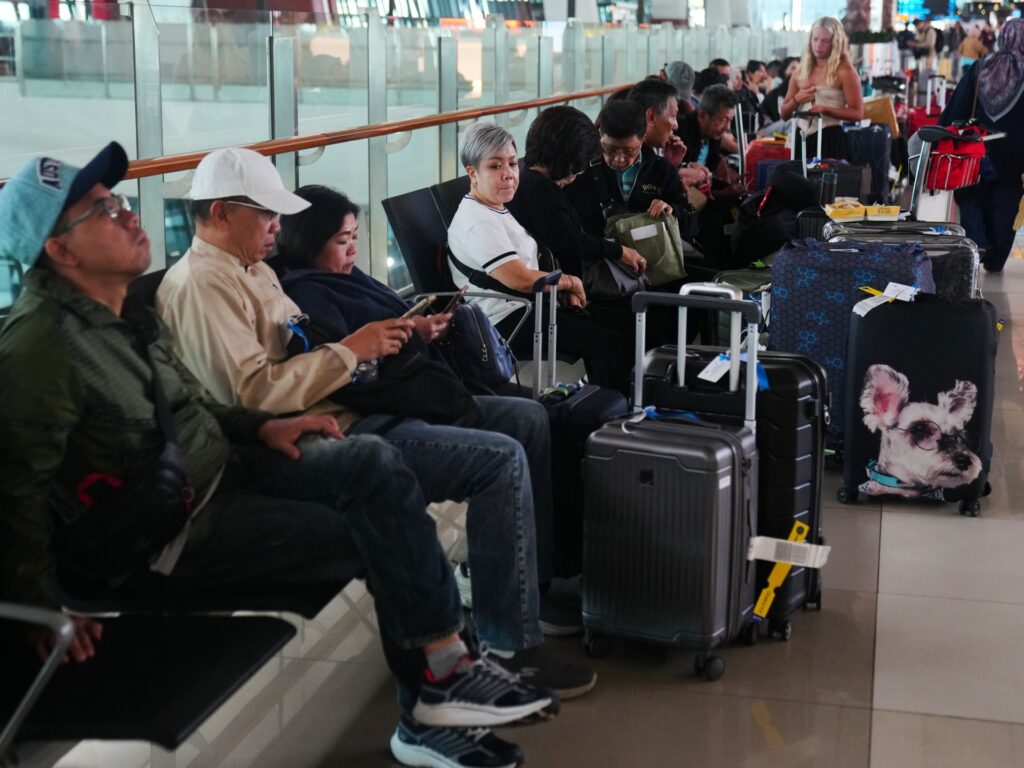
Indonesia’s Soekarno-Hatta International Airport, the main gateway serving Jakarta, has temporarily suspended flights as volcanic ash from Mount Anak Krakatau disrupts air traffic. The eruption of Anak Krakatau, a volcanic island located in the Sunda Strait, has spewed ash clouds that pose a significant hazard to aviation safety. Authorities decided to halt flights to prevent any potential accidents caused by ash damaging aircraft engines or reducing visibility for pilots.
Mount Anak Krakatau is an active volcano, known for its periodic eruptions that often have local and regional impacts. This recent activity has prompted emergency responses, including airport operations adjustments and monitoring by Indonesia’s volcanic disaster management agencies.
The suspension of flights affects numerous travelers and disrupts the schedules of airlines operating at Soekarno-Hatta International Airport, one of Indonesia’s busiest airports. Passengers are advised to check with airlines for updates and possible rescheduling.
Volcanic ash clouds are dangerous because they contain tiny, abrasive particles that can damage jet engines, leading to possible engine failure. Ash can also reduce visibility and cause breathing difficulties for passengers and crew. For these reasons, aviation authorities worldwide maintain strict protocols for flights near erupting volcanoes.
Indonesia sits on the Pacific Ring of Fire, making it highly susceptible to volcanic activity. The Anak Krakatau volcano is especially monitored due to its history and location near densely populated areas. Previous eruptions have caused tsunami events, making the monitoring of this volcano crucial for public safety.
The government and disaster management teams are actively assessing the eruption’s impact and continuously monitoring volcanic activity levels. Flight operations will resume once it is deemed safe by aviation and geological experts.
In the meantime, passengers are urged to stay informed through official channels, including airlines and airport announcements. Travelers should expect potential delays and disruptions as safety takes precedence.
This event highlights the challenges and risks posed by natural disasters in Indonesia, emphasizing the importance of preparedness and coordination among aviation, geological, and emergency response agencies. The rapid response by airport authorities and disaster teams aims to minimize disruption and ensure the safety of all travelers and residents in the region.