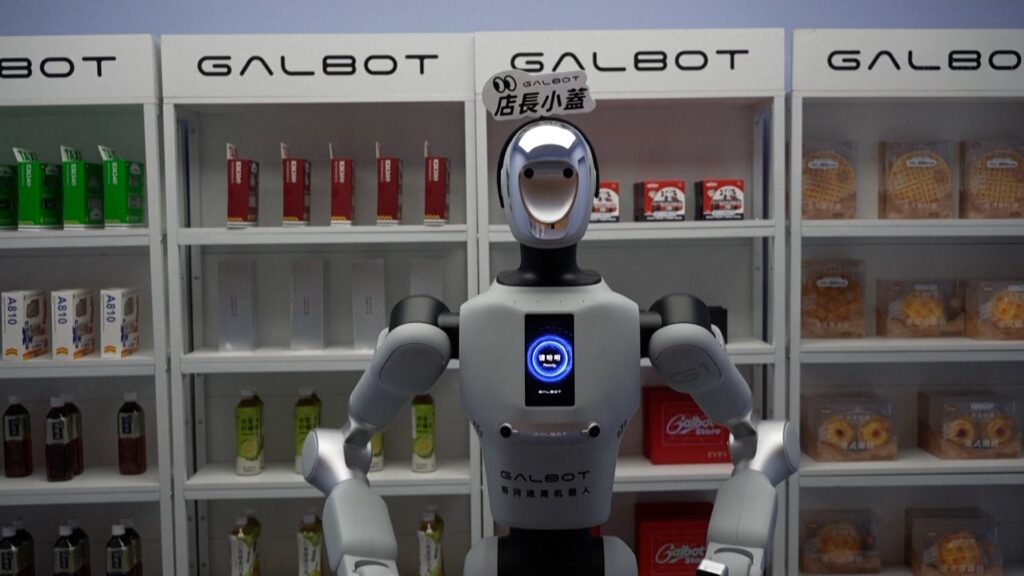
Hong Kong has introduced its first ever robot shopkeeper, a humanoid robot that is transforming the shopping experience at convenience stores. This technological innovation marks a significant step towards integrating robotics into daily retail environments, offering a glimpse into the future of customer service.
The humanoid robot shopkeeper can perform various tasks traditionally handled by human employees, including greeting customers, answering product-related questions, and processing payments. This interaction provides a unique and engaging experience for shoppers, blending technology with traditional retail.
The robot has been equipped with advanced sensors and artificial intelligence, allowing it to recognize customers and respond to their inquiries accurately. It speaks multiple languages to cater to Hong Kong’s diverse population, ensuring effective communication for local residents and tourists alike.
Store owners have reported positive feedback since the robot’s introduction, noting increased customer curiosity and engagement. The novelty of having a robot shopkeeper has attracted new customers and provided a talking point that boosts store traffic.
Moreover, the robot shopkeeper helps reduce the workload on human staff, who can then focus on stocking shelves, managing inventory, or attending to more complex customer needs. This balance between automation and human service aims to enhance overall efficiency without eliminating personal interactions.
The introduction of the robot shopkeeper also opens discussions about the role of automation in the retail sector and its impact on employment. While some express concerns over job displacement, many experts suggest that robots will complement rather than replace human workers, especially in service-based industries where empathy and human judgment are crucial.
Hong Kong’s foray into robotic retail technology aligns with its reputation as a high-tech city ready to adopt cutting-edge innovations. This initiative reflects broader trends in Asia, where countries are increasingly exploring automation to improve service quality and operational efficiency.
Future plans include expanding the robot’s capabilities to include inventory management and personalized shopping recommendations through data analysis. There are also proposals to deploy similar robots in other types of retail settings, such as pharmacies and boutique stores.
Customer reactions have been overwhelmingly positive, with many appreciating the convenience and novelty of interacting with a robot. Some shoppers have expressed surprise at the robot’s ability to understand complex requests and its friendly demeanor.
This pioneering robot shopkeeper represents a blend of technology and retail that could revolutionize the shopping experience in urban centers worldwide. It showcases how artificial intelligence and robotics can be seamlessly integrated into everyday life, enhancing convenience and interaction for consumers.
As technology advances, the role of robots in retail is expected to grow, potentially setting new standards for customer service and operational protocols. Hong Kong’s first humanoid robot shopkeeper is not just a technological marvel but also a signpost for the future of retail innovation.