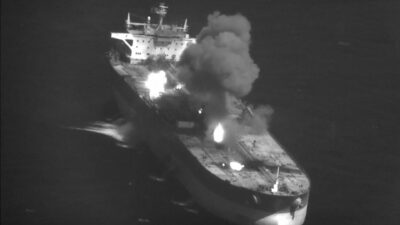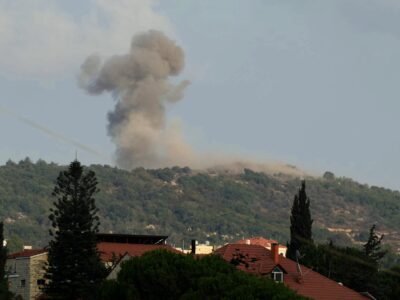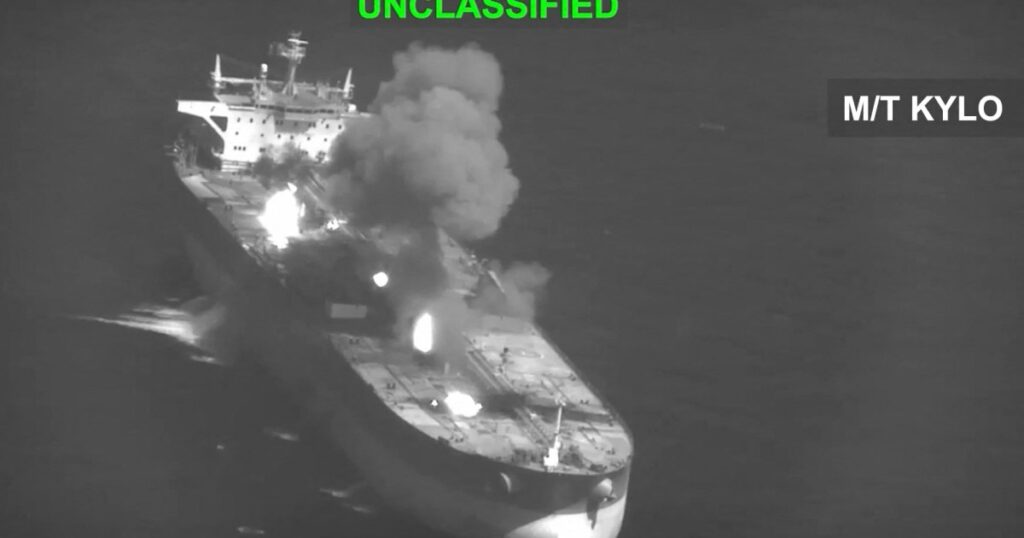
The United States has conducted strikes on Iranian oil tankers in the strategic waters of the Gulf of Oman and near Iran’s Kharg Island. These actions are part of a broader effort by the US to disrupt the financing channels that support Iran’s regional proxy groups. Iranian oil tankers have reportedly been instrumental in transporting oil, which provides revenue that Tehran uses to fund various militant and proxy forces across the Middle East.
The strikes underscore heightened tensions in the Gulf region and reflect America’s intent to dismantle economic networks that bolster Iran’s influence through proxy militias. The targeted tankers serve as a vital link in the supply chain, moving crude oil to buyers who may be unaware of the ultimate end use of the funds.
US officials have emphasized that these actions are aligned with broader sanctions and measures aimed at curtailing Iran’s ability to finance activities that destabilize the region. By hitting these oil tankers, the US seeks to choke off a significant revenue stream that funds groups in countries such as Yemen, Syria, Iraq, and Lebanon.
The Gulf of Oman and the waters near Kharg Island are key transit points for Iranian oil exports, making these locations strategically important. Kharg Island, operated by Iran, is one of the main hubs for oil shipping. Targeting vessels in these areas represents a tactical move designed to interrupt oil shipping without escalating to direct conflict with Iranian forces.
Iran has historically denied that its oil exports are used to support proxy militias, asserting that its energy sector operates within legal international frameworks. However, the US and its allies argue that the proceeds flow into the hands of groups aligned with Tehran’s regional ambitions.
The consequences of these strikes stretch beyond immediate economic damage to Iranian oil operations. They send a message about the willingness of the US to employ military force to enforce economic sanctions and counter Iran’s strategic maneuvering in the Middle East.
Regional experts warn that such operations could exacerbate tensions and lead to retaliatory actions by Iran or its proxies. The risk of conflict could increase, particularly if Iran perceives these strikes as acts of aggression.
Despite this, US officials maintain that the strikes are defensive and necessary steps to protect regional stability and prevent Iran from continuing to finance militant groups that threaten allies and US interests.
The United States continues to coordinate with its allies to monitor Iranian activities closely and to maintain pressure on Tehran through diplomatic, economic, and military means. The strikes against Iranian oil tankers are likely to remain a key component of this broader strategy.
International responses have varied, with some countries supporting the US measures as a way to enforce sanctions, while others call for restraint and dialogue to avoid further escalation in the Gulf.
The situation remains fluid, and the US government has indicated it will continue to take comprehensive actions to limit Iran’s ability to support proxy groups until it changes its regional behavior.
Overall, the recent US strikes on Iranian oil tankers highlight the complex interplay of military action, economic sanctions, and geopolitical strategy in addressing security challenges in the Middle East. The targeting of oil shipments aims to cut off funding sources crucial to Iran’s proxy network and uphold efforts to achieve regional stability.