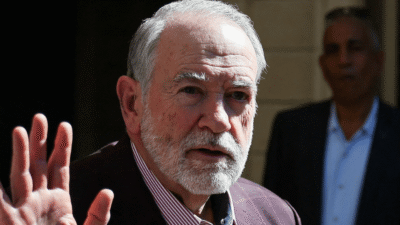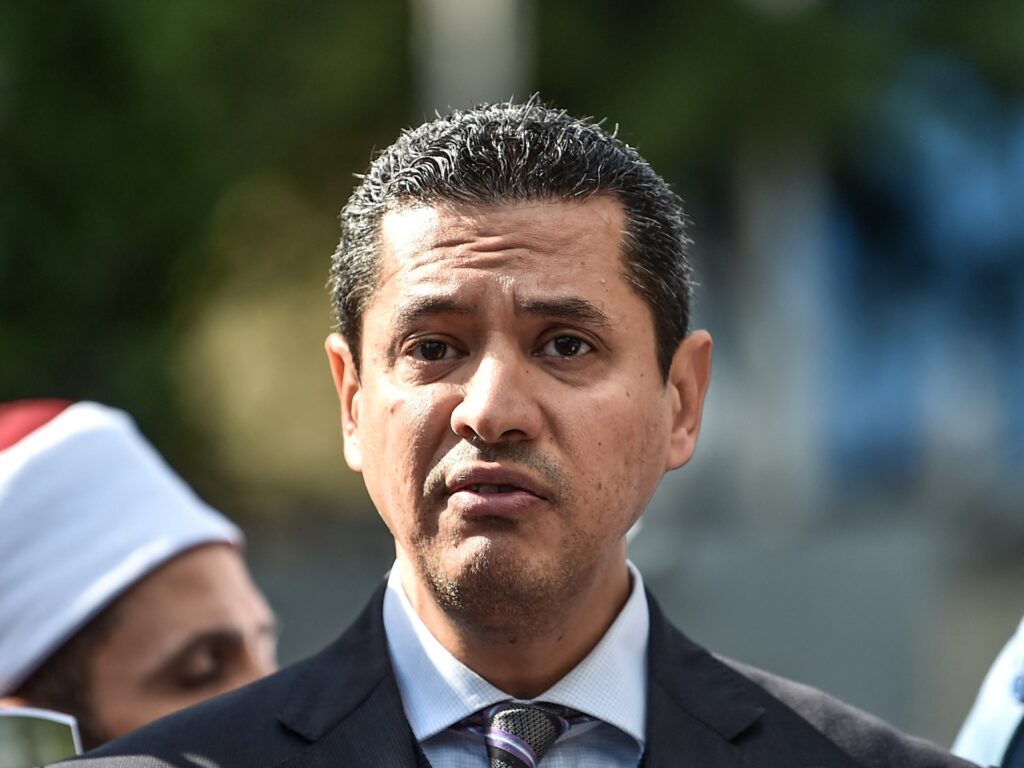
In a significant move highlighting diplomatic and humanitarian considerations, the United Arab Emirates has granted a pardon to Egyptian dissident-poet Abdul Rahman al-Qaradawi. Al-Qaradawi had been facing a prison sentence of up to 10 years in Egypt, where he was under threat due to his outspoken activism and critical stance against certain Egyptian authorities.
Abdul Rahman al-Qaradawi, known for his poignant poetry and relentless advocacy for human rights and political freedoms, had been detained based on an arrest warrant issued by the Arab Interior Ministers Council. This warrant reflected the heightened tensions surrounding dissident voices within the region and the challenges faced by activists in expressing dissent.
The arrest warrant initially placed al-Qaradawi in a precarious position, as it sought to impose severe restrictions and punitive measures on his freedom of expression. The 10-year imprisonment sentence was viewed by many international observers and human rights organizations as a harsh penalty aimed at stifling political dissent and silencing influential voices in Egypt’s civil society.
The UAE’s decision to pardon al-Qaradawi is thus noteworthy as it not only alleviates the immediate threat of incarceration for the poet but also sends a message about the potential for more nuanced approaches to political dissent in the Arab world. This act of clemency aligns with ongoing efforts by some Gulf states to foster dialogue, reform, and reconciliation in regional political affairs.
Al-Qaradawi’s case had attracted significant attention due to his status as a prominent activist and the symbolic weight of his poetry, which has been a voice for justice and reform. His detention drew criticism from various quarters including international human rights bodies, literary communities, and advocates for freedom of speech.
With the pardon from the UAE, Abdul Rahman al-Qaradawi is now able to avoid the harsh penalties previously imposed and continue his work as a poet and activist without the looming threat of imprisonment. This development may encourage other activists and dissidents in the region, offering hope that advocacy and freedom of expression can be protected even in politically sensitive environments.
The broader context of this pardon highlights the complex interplay between regional security concerns, political dissent, and human rights. While the Arab Interior Ministers Council sought to enforce strict control over political activism, the UAE’s clemency suggests an alternate path toward addressing dissent – one that favors dialogue and leniency over repression.
This pardon may also influence future policies within the Arab League and among member states, encouraging more balanced approaches that respect civil liberties while maintaining regional stability. It underscores the importance of cultural figures like Abdul Rahman al-Qaradawi, whose work resonates beyond borders and has the power to inspire change.
In conclusion, the UAE’s pardon of Egyptian activist and poet Abdul Rahman al-Qaradawi marks a critical juncture in the ongoing struggle for freedom of expression and human rights in the Arab world. It symbolizes hope for more open political environments and the preservation of voices that champion justice and democratic freedoms.