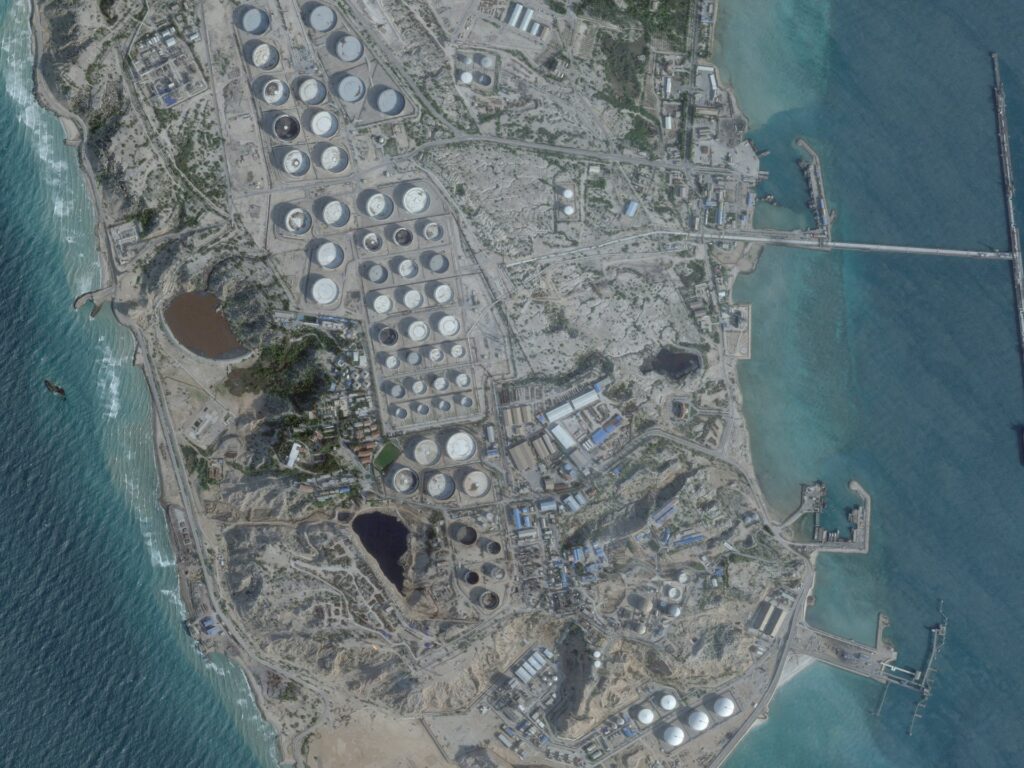
In a significant escalation amid ongoing tensions in the region, an Iranian oil tanker has reportedly been struck by multiple missiles off Kharg Island. Iranian media sources confirm that the vessel was hit by several missiles, which are reported to be of U.S. origin. This incident has raised concerns about the potential for further conflict and disruption in one of the world’s key oil shipping lanes.
Kharg Island, located in the Persian Gulf, is a strategic hub for Iran’s oil exports. The attack on the tanker is seen as a severe provocation, with the potential to escalate military and diplomatic tensions between Iran and the United States.
Officials from Iran have condemned the missile strike, calling it an act of aggression that undermines regional stability. The Iranian government has vowed to respond decisively to protect its maritime interests and oil infrastructure.
The identity of the oil tanker and the extent of the damage have not been immediately disclosed. However, early reports indicate that the tanker sustained significant damage, with potential impacts on oil transportation and regional security.
The international community has expressed alarm at the incident, urging restraint and dialogue to prevent a broader conflict. Maritime security experts have highlighted the risks posed to commercial shipping in the Persian Gulf, emphasizing the need for all parties to avoid provocations that could jeopardize energy supplies and economic stability.
Background tensions between Iran and the U.S. have been heightened by geopolitical disputes, including sanctions, military posturing, and conflicting interests in the Middle East. The missile attack on the oil tanker marks a dangerous escalation that could have far-reaching consequences for international maritime laws and regional peace efforts.
Military analysts suggest that the use of missile strikes against commercial vessels could signify a shift in tactics, potentially leading to increased naval confrontations and heightened alert levels among naval forces operating in the area.
Iran’s strategic location and control over crucial waterways make incidents like this particularly sensitive, drawing global attention to the stability of the Persian Gulf and the security of energy exports.
Efforts to de-escalate tensions are underway, with diplomatic channels reportedly being activated to address the incident and prevent further hostilities.
This latest development underscores the fragility of peace in the region, where complex political, religious, and economic factors frequently contribute to conflicts.
International observers continue to monitor the situation closely, calling on all involved parties to prioritize dialogue and peaceful resolution mechanisms to avoid an escalation into full-scale conflict.
The incident emphasizes the interconnected nature of global energy markets and security, where disruptions in one region can have ripple effects worldwide.
As investigations continue, the world watches anxiously to see how Iran and the United States navigate this critical juncture, with hopes for a peaceful resolution to avoid further violence and economic fallout.