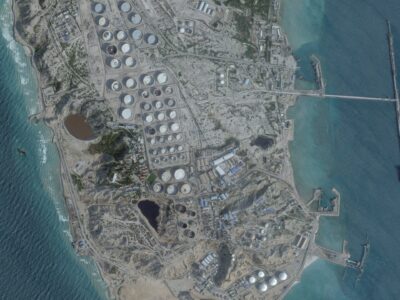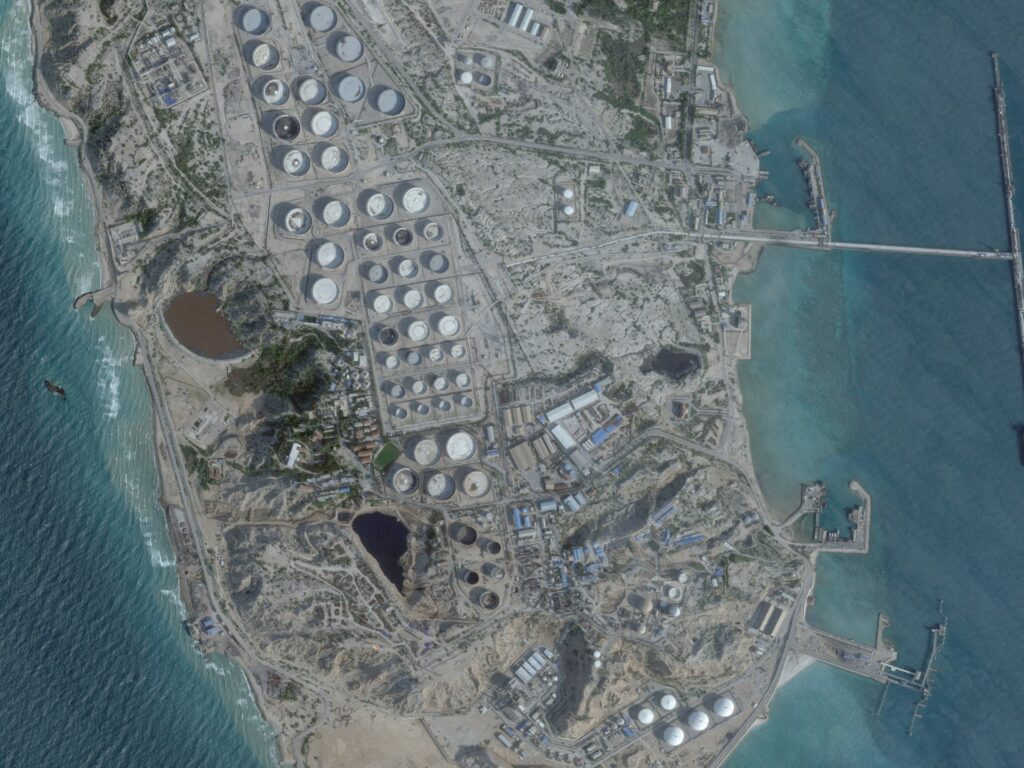
In a dramatic escalation of tensions in the Persian Gulf, an Iranian oil tanker was reportedly struck by missiles off Kharg Island, a critical hub for Iran’s oil exports. This attack marks a significant development in the ongoing confrontations in the region, raising concerns about the stability of global oil supplies and the potential for broader military conflict.
Kharg Island, located in the Persian Gulf, serves as a pivotal point in Iran’s oil infrastructure. The missile strike on an oil tanker in this sensitive area underlines the risks that commercial maritime activities face amidst geopolitical hostilities.
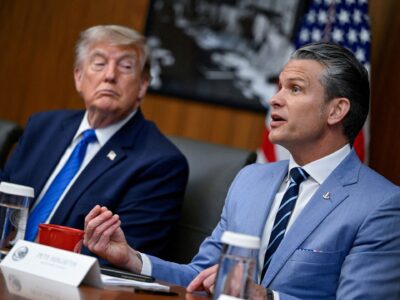
Coinciding with this incident, US President Donald Trump reiterated a stern warning that the United States might launch an attack on a location referred to as Pickaxe Mountain “very soon.” Though details about Pickaxe Mountain remain scarce, the President’s statement signals a readiness for imminent military action.
This latest missile strike is part of a series of escalations that have heightened tensions between Iran and the United States, along with their respective allies. Economic sanctions, naval skirmishes, and diplomatic stand-offs have all contributed to an increasingly volatile atmosphere.
Iranian officials have condemned the missile attack, blaming foreign adversaries for attempts to destabilize the region and disrupt their oil export operations. Tehran vows to defend its sovereignty and critical infrastructure against such acts of aggression.
The United States, meanwhile, maintains that its military presence and actions in the area aim to ensure security of international waters and protect global energy markets from hostile interference.
International observers and regional stakeholders are watching developments closely, with concerns that any miscalculation or further provocative acts could spark a wider conflict, potentially destabilizing the already fragile geopolitical landscape of the Middle East.
The ramifications of sustained conflict in the Persian Gulf extend beyond regional boundaries, potentially disrupting global oil supplies and affecting oil prices worldwide.
Maritime traffic through the Strait of Hormuz, a vital chokepoint for energy transit, could face increased threats, leading to heightened insurance costs and rerouting measures.
Diplomatic efforts continue behind the scenes to de-escalate tensions, but the recent missile attack and the US President’s warning underscore the precarious nature of the situation.
As international calls for restraint grow, all eyes remain focused on Kharg Island and the surrounding waters, in hopes that further violence can be avoided.
This ongoing crisis highlights the complex interplay of regional power dynamics, economic interests, and military posturing that define the current Iran-US relations.
The global community is urged to monitor developments carefully and support measured diplomatic engagement to prevent the outbreak of full-scale warfare.
For now, the Persian Gulf remains a flashpoint of uncertainty, with the recent missile attack on the Iranian oil tanker serving as a stark reminder of the fragile peace in one of the world’s most strategically important waterways.