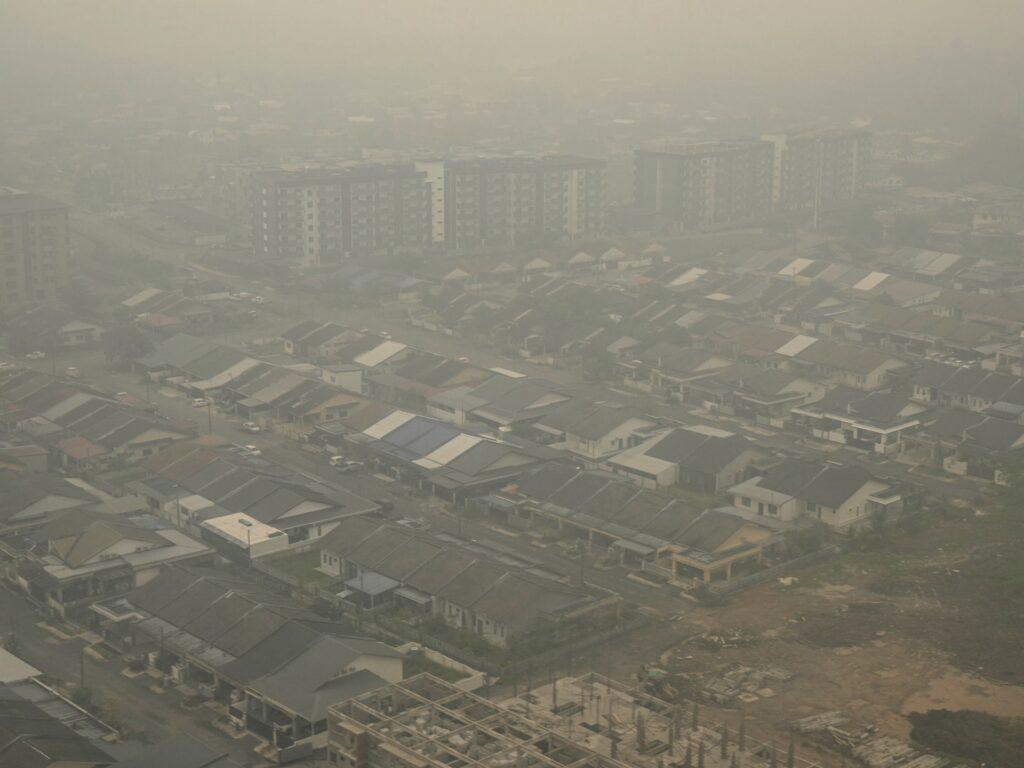
Malaysia has declared a state of emergency in the Serian district of Sarawak following a significant deterioration in air quality due to haze originating from Indonesia. The emergency was prompted after air pollution levels in the region reached ‘hazardous’ status, posing severe health risks to the population.
The haze, a recurring environmental issue in Southeast Asia, stems primarily from forest fires and slash-and-burn agricultural practices in Indonesia. These fires release dense smoke and particulate matter that are carried by wind across borders, affecting neighboring countries like Malaysia and Singapore.
In Sarawak, the haze levels have escalated to dangerous levels, forcing the government to take swift action to protect residents. The declaration of a state of emergency allows for the implementation of special measures aimed at reducing exposure to the toxic air, including the temporary closure of schools and outdoor activities, as well as restrictions on transportation and industrial operations.
Authorities have advised residents, especially vulnerable groups such as children, the elderly, and those with respiratory conditions, to stay indoors and use air purifiers if available. Masks rated for particulate protection are recommended when venturing outside.
The Sarawak state government is coordinating with federal agencies and Indonesian counterparts to address the root cause of the haze. Efforts include increased monitoring, firefighting support, and diplomatic engagement to mitigate forest fires across borders.
Experts warn that the haze crisis is exacerbated by dry weather conditions, making the fires harder to control. The transboundary nature of the haze issue underscores the need for regional cooperation through platforms like the ASEAN Agreement on Transboundary Haze Pollution.
Local hospitals have reported a surge in cases of respiratory illness correlating with the spike in air pollution, highlighting the health impact of the crisis. Emergency services are on high alert to manage potential health emergencies.
Environmental groups have called for stronger enforcement of anti-burning laws and a comprehensive strategy to prevent future occurrences. Public awareness campaigns are also underway to educate communities about the dangers of haze and preventive measures.
As the situation evolves, authorities are continuously monitoring air quality indices and updating the public on safety guidelines and government responses.
This emergency declaration in Sarawak represents a serious escalation in the ongoing haze problem affecting the region, emphasizing the urgent need for sustainable land management and international cooperation to protect public health and the environment.