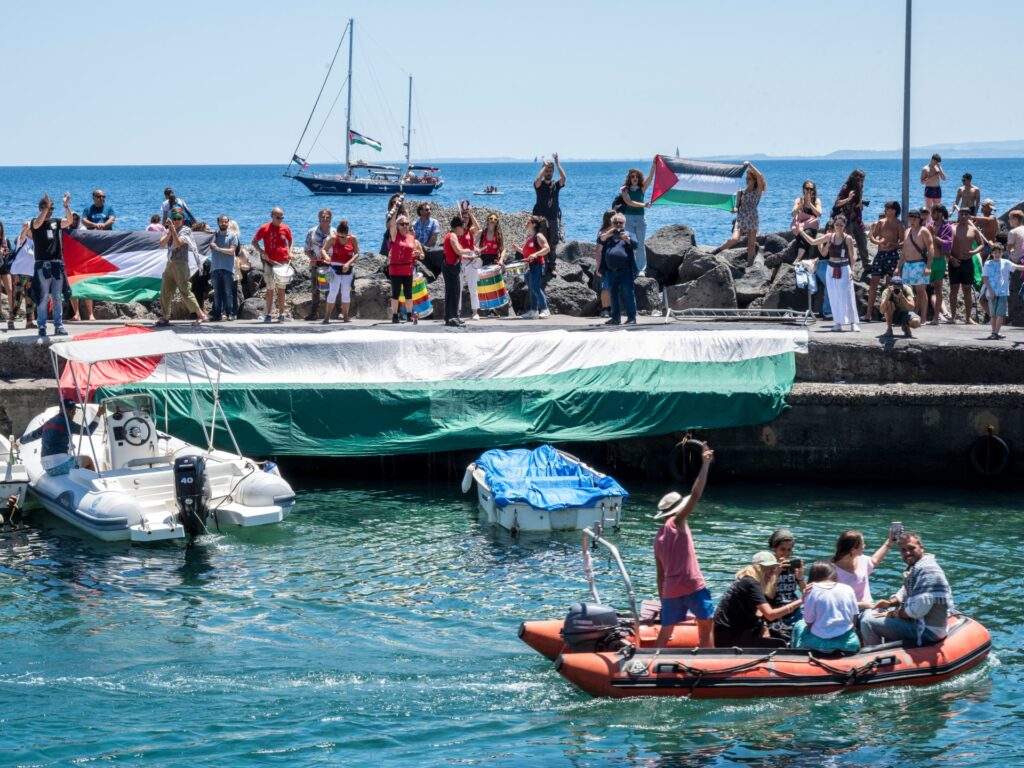
A new flotilla mission has embarked on a daring journey towards Gaza, aiming to challenge the long-standing and deadly blockade imposed by Israel. The blockade has severely restricted the movement of people and goods, leading to a humanitarian crisis in the region. Human rights advocates and international activists have united to launch this flotilla, calling for an end to the blockade that they describe as both inhumane and unlawful.
The flotilla consists of multiple boats carrying activists, journalists, humanitarian supplies, and medical equipment intended to support the besieged population of Gaza. Organizers have emphasized that their mission is peaceful and primarily humanitarian, seeking to draw international attention to the dire conditions inside Gaza and to pressure governments around the world to intervene diplomatically.
Safety concerns remain paramount as the flotilla navigates through waters controlled by the Israeli navy, which has previously intercepted similar missions. Advocates have called on international bodies, including the United Nations and the European Union, to guarantee the safety of the flotilla participants and to ensure that the aid reaches its destination without interference.
The blockade, now in place for over a decade, has led to significant shortages of essential goods such as food, medicine, and fuel. It has also restricted access to healthcare and education, exacerbating the humanitarian impact on Gaza’s population, which includes many children and vulnerable groups.
International human rights organizations have condemned the blockade, describing it as a form of collective punishment. The new flotilla mission has reignited global debate over the legality and morality of the blockade and the need for urgent diplomatic efforts to find a lasting solution.
As the flotilla advances, the world watches closely, hoping for a peaceful resolution that ensures the rights and dignity of Gaza’s residents are respected. The mission underscores the critical importance of solidarity and international cooperation in addressing humanitarian crises and protecting vulnerable communities.