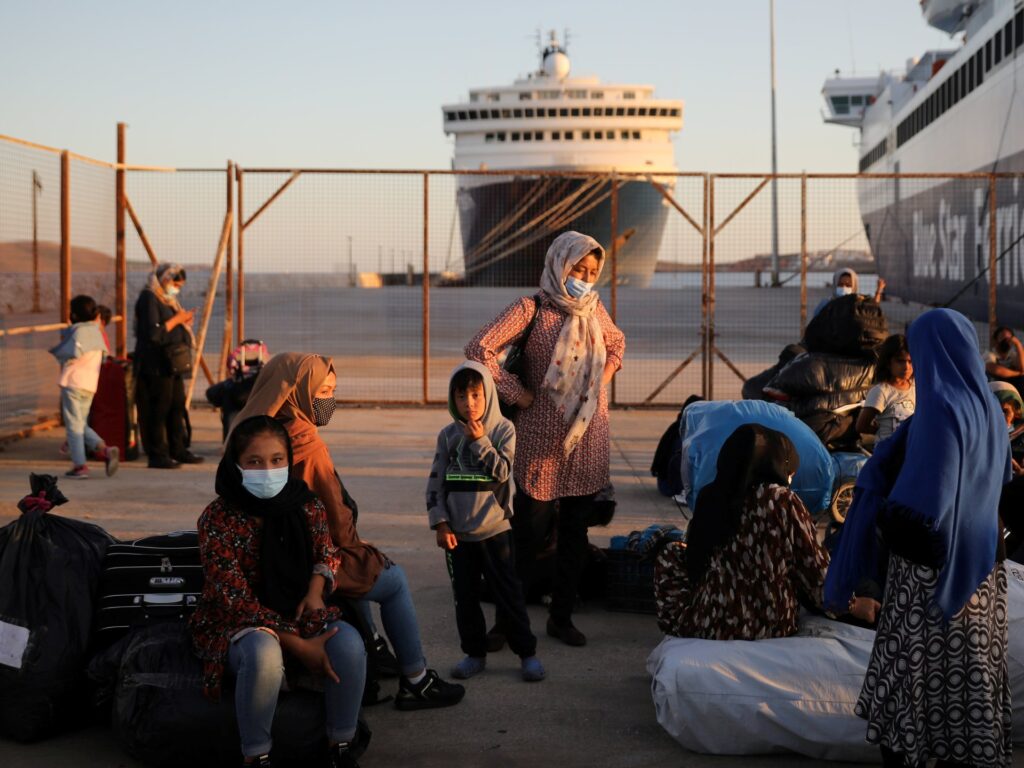
Germany, Austria, Greece, Denmark, and the Netherlands are making significant progress towards establishing migrant ‘return hubs’ by 2027, marking a notable step in the European Union’s ongoing efforts to manage migration and asylum processes more effectively. These return hubs are intended to expedite the procedure of processing migrants and facilitate the orderly return of those not eligible for asylum.
While the five countries involved did not specify the exact locations for these centres, the collaborative momentum suggests a shared commitment to addressing migration challenges through enhanced coordination and infrastructure. The initiative aims to alleviate pressures on individual EU member states by centralizing the return process in designated hubs, thus streamlining administrative procedures and potentially improving humanitarian standards.
This move comes amid increasing migration flows into Europe, which have strained resources and sparked debates across the continent about border security, asylum regulations, and burden-sharing among member states. By 2027, the participating nations hope to operationalize these hubs, creating a framework that might serve as a model for the rest of the EU.
The proposed return hubs signal a strategic pivot towards more managed and collective approaches to migration within the union. The details regarding the operational mechanisms, legal frameworks, and rights of migrants during the return process remain to be articulated as discussions continue.
Critics of the plan argue that it may lead to the deterioration of migrants’ rights and increased detention, while proponents emphasize the necessity of efficient systems to ensure that EU countries can maintain control over their borders and uphold the integrity of the asylum process.
The development of return hubs aligns with broader EU migration policy reforms, underscoring the complex balance between security, humanitarian obligations, and political realities. As Germany, Austria, Greece, Denmark, and the Netherlands move toward agreement, the conversation surrounding migration policy in Europe is poised for further evolution, potentially impacting future legislation and international cooperation on migration management.