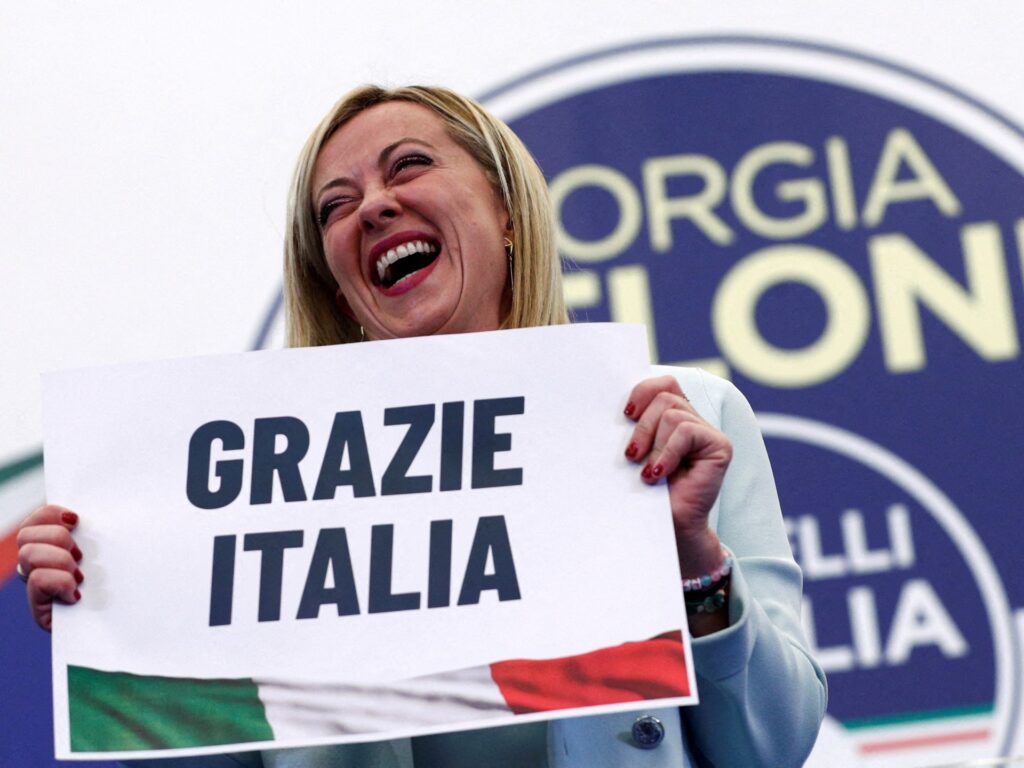
Italy has witnessed a historic moment as Prime Minister Giorgia Meloni leads the longest-serving government since World War II. Marking a remarkable milestone, Meloni’s administration has surpassed all previous post-war Italian governments in duration, symbolizing a period of relative continuity for a country often characterized by political volatility.
Supporters of Meloni and her coalition have celebrated this achievement, viewing it as evidence of effective governance and a stable political environment that could promote economic growth and social development. They argue that the extended tenure reflects public approval of the government’s policies and a consensus among various political factions.
However, political analysts offer a more cautious perspective. They emphasize that longevity in office does not necessarily equate to political stability or success. Italy’s complex political landscape, marked by shifting alliances and deep-rooted challenges, means that a long-serving government might still face significant hurdles.
Some experts point to underlying systemic issues such as regional disparities, economic stagnation, and social division that any government, regardless of its tenure, must address to ensure true stability.
Moreover, longevity can sometimes mask unresolved tensions within the ruling coalition or between the government and opposition forces. Analysts warn that the real test for Meloni’s government will be its capacity to implement lasting reforms and manage Italy’s domestic and international challenges effectively.
Despite these concerns, the record set by Meloni’s government is an important chapter in Italy’s post-war political history. It reflects both the complexities of governing a diverse and dynamic nation and the potential for new political paradigms in a country long known for frequent governmental changes.
Looking ahead, observers will be closely watching how this government navigates upcoming elections, economic recovery efforts, and Italy’s role within the European Union. The balance between maintaining longevity and achieving meaningful stability remains a key issue on Italy’s political horizon.